New federal rule could mean less compensation for some flight delays and cancellations
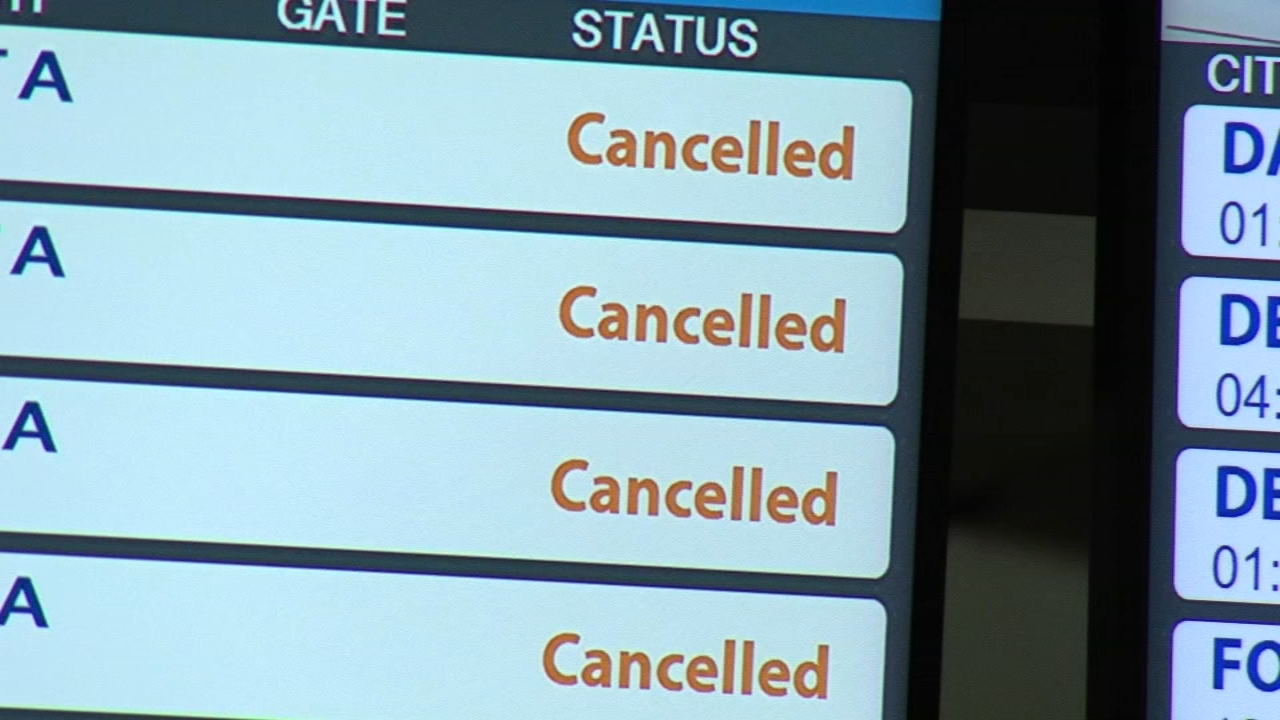


Travelers could have fewer options for compensation when flights are delayed or canceled under new federal regulations taking effect October 19.
The changes come just ahead of the busy holiday travel season and will affect when airlines are required to provide certain assistance to passengers.
Under the new Department of Transportation rules, 10 types of flight disruptions will no longer fall under the airline-control category. That means airlines will no longer be required to provide certain compensation, such as hotel accommodations or meal vouchers, when delays or cancellations are caused by:
- Aircraft cleaning after a passenger death
- Extreme-weather damage
- Baggage system outages
- Cybersecurity attacks
- Government system shutdowns
- Overheated brakes
- Unscheduled maintenance
- Medical emergencies
- Unruly passengers
- Airport closures caused by volcanic ash, wind or wind shear
Tom Spagnola of CheapOair said the changes could frustrate travelers.
"There's basically going to be some frustration with the customers," Spagnola said.
He said some of the changes are related to passenger safety, but the new rules also reduce the financial obligations airlines may face when these disruptions occur. "A lot of it is about, you know, customer safety, right?" Spagnola said.
"But from the airline side, you can definitely see that, you know, having to not compensate for hotels and vouchers does add up."

When a qualifying delay or cancellation happens, airlines may no longer be required to provide a hotel, meal voucher or other compensation. Spagnola said the changes put more responsibility on travelers to understand their options and advocate for themselves.
"There is more of a burden on the consumer, for sure," he said. He recommends passengers ask airlines about their options, including whether they can be placed on another flight or another airline.
He suggests travelers should also ask:
- When is the next available flight?
- Can the airline put you on another carrier?
- What options are available to get you to your destination?
- If you decide not to travel, are you eligible for a refund?
The new rules do not prevent airlines from providing hotels, meal vouchers, or other compensation when one of the 10 situations occurs. Airlines can still choose to help passengers, so travelers should always ask what assistance is available.
Passengers should also check the credit card they used to purchase their flight. Some credit cards offer travel protections that may provide reimbursement for certain delays, cancellations, or other travel disruptions.