Alameda County voters to decide interim, full-term replacement for ex-Rep. Swalwell
The unusual setup has led to confusion among some voters, particularly those receiving multiple voter guides and ballots.
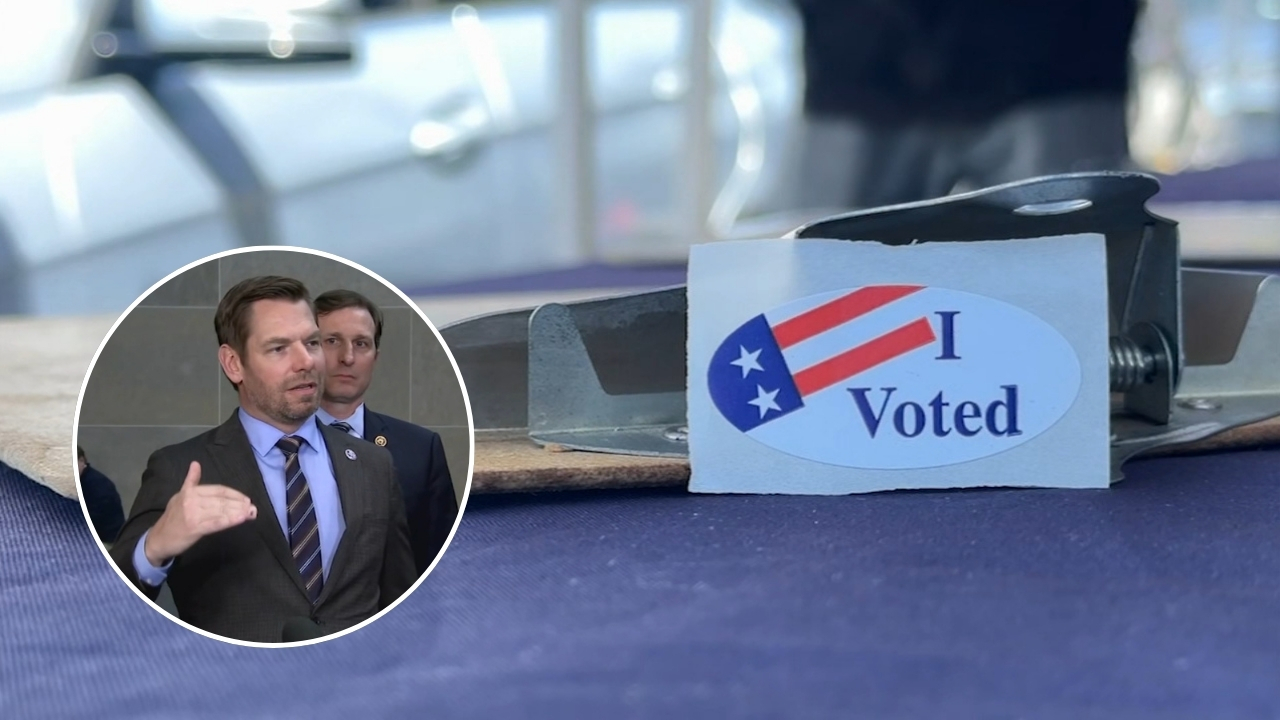

CASTRO VALLEY, Calif. (KGO) -- Some voters across Alameda County are navigating an unusual election cycle, casting ballots twice in two separate elections just weeks apart following the resignation of a congressman.
Voters in Congressional District 14 received two ballots this cycle: one for the statewide primary election on Tuesday and another for a special election scheduled for June 16.
Election 2026 updates: Latest on CA governor's race, Nancy Pelosi's seat and more
The special election was called after Rep. Eric Swalwell resigned from his seat in April after sexual allegations surfaced.
He denied the allegations.
The primary ballot includes multiple races and determines the top two candidates who will advance to the November general election for a full two-year term beginning in January.
The special election ballot includes just one race to determine who will serve the remainder of the current term through January.
The unusual setup has led to confusion among some voters, particularly those receiving multiple voter guides and ballots in close succession.
"And what is this? Ballots for today and one for the 16th. Like, which I didn't know," said Marietta Reagan, a Castro Valley voter.
Alameda County election officials said they anticipated questions and worked to clearly differentiate the two elections.
"We do have voters calling in, especially after they received their voter guide for the special 14th congressional primary election, and then they already had their June 2 voter guide. And what we did in the planning once this was called was make sure they were very different," said Cynthia Cornejo, interim registrar of voters.
Officials said they used targeted messaging to explain the purpose of each election and included explanatory letters with voter materials.
MORE: 9 candidates vie to replace ex-congressman Eric Swalwell in CA's 14th Congressional District
"So we targeted language and messaging on those guides, so when they opened up their guide, we had a letter to them explaining why this was and what it was for," Cornejo said.
The ballots themselves are also designed to look different. The June 2 primary includes longer ballot cards with multiple races, while the June 16 special election ballot consists of a single 8.5-by-11-inch card. Officials say the timing of the resignation and election calendar made a special election necessary.
"I think it all had to do with timing of when the election was called, and we already had the materials out for the June 2," Cornejo said. "Therefore, it had to be a special election."
Despite the confusion, election officials say voters are adjusting, though many are waiting until closer to Election Day to return ballots.

"We know voters are waiting longer to return their ballots and now as election officials, we expect it," Cornejo said.
As of Monday night, turnout in the primary stood at about 19%, with officials expecting that number to rise.
In total, the special election will cost taxpayers about $10 million. According to Alameda County, the per-voter cost is $23 to $25 across more than 422,000 registered voters in the district.
Some voters said outreach efforts helped them better understand the process.
Frank Ho, a first-time voter new to the United States, said receiving materials in his native language was helpful.
MORE: Who's running for California governor? Hear from top candidates
"Yes. And, I got, mail, from the government in and, also in Chinese. So I got to read it in my own language," Ho said.
Meanwhile, staff at the district's congressional office say they are managing the transition and prioritizing urgent constituent needs during the vacancy.
"Initially the transition process was a lot more, confusing information. And we were getting a lot of phone calls. Now, obviously, we are working on transitioning most of our constituents who have maybe agency casework, obviously time sensitive casework. Over to our Senate offices," said Astha Nigam, deputy district director.
For some voters, the day carries personal significance beyond the logistics of the election.
"My mom, who transitioned, in October last year, she was 100 years old. This is the first time I've done it without her. So I'm doing it kind of like in her honor. And I'll continue doing it here. Yes," said Barbara Cogar of Oakland.
If no candidate receives a majority in the June 16 special election, the top two finishers will advance to an August runoff.
The winner will serve out the remainder of Swalwell's term.
Tuesday's primary is separate and will determine which two candidates advance to the November ballot to serve the next full term.