Bay Area man stood against segregation at a pool protest in 1962, igniting change in North Carolina


RALEIGH, N.C. -- The outdoor swimming pool at Raleigh's Pullen Park is gone, replaced by a plaque that recounts a history tied to the Jim Crow South.
In the early 1960s, swimming pools in North Carolina began to integrate under court orders and civil rights protests, though resistance persisted.
During the summer of 1962, four Black teenagers, joined by two white friends, jumped into the Pullen Park pool, where they were unwelcome. For decades, only white people were allowed to swim there.
Herman Hinton, a competitive swimmer of the era, reflected on the segregated times: "It wasn't weird because we came up in that era. We didn't have a chance to mix like we do today."
Hinton, who swam at the segregated John Chavis Memorial Park pool, was among Raleigh's best swimmers, Black or white.
While Chavis was his training ground, Pullen Park was off-limits; he could only watch swim meets from the sidelines.
"Everybody deserved to be equal," Hinton said. "But that'll never happen."
Ray Raphael, then a teenager who was visiting North Carolina that summer to tutor Black students integrating in white schools, was among the white teenagers who joined four Black teenagers in the pool.
Although he was born in New York City, Raphael moved west to Northern California after high school and has since become a prominent historian and author focusing on both local and national history, particularly the American Revolution.
He has lived in the Bay Area for many years and has written extensively about the regional history of Northern California, having authored around 20 books.
He remembers the pool as a flashpoint.
"You buy the tickets, and this is the park pool," Raphael said. "If a Black person went up and tried to buy a ticket, they would not get sold a ticket."
To tell you the truth, I was scared. Really scared. The whole project seemed a little bit dubious. But I was 100% behind it. We were going to do this.- Ray Raphael, who joined Black friends in the pool
Raphael and another white teen planned to buy tickets for the group.
"I went up to the ticket booth and said, 'Six tickets, please,'" Raphael said.
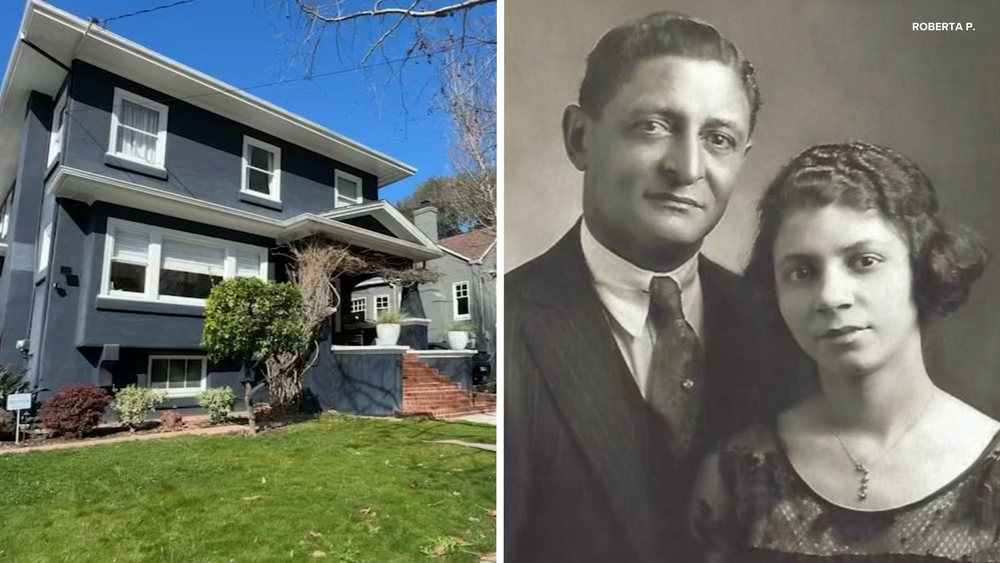
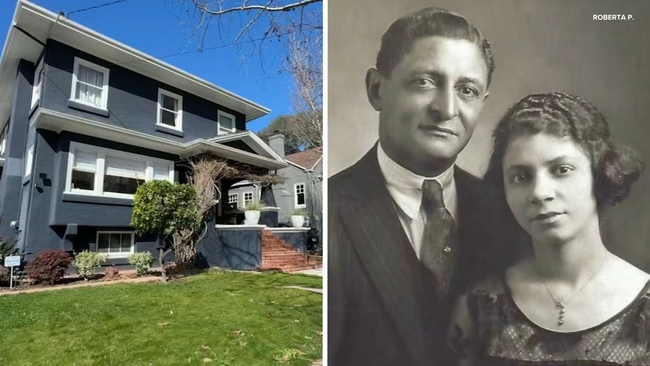
MORE: Piedmont's first Black homeowner was forced out of his home in the 1920s. Now, his family is suing
Once inside, they quickly passed the tickets to their Black friends near the locker room.
"We probably set a world record for changing into our bathing gear," Raphael said. "No sooner had we (had) gone into the pool than there seemed to be something of a stir."
When the teens jumped in, chaos ensued.
"To tell you the truth, I was scared. Really scared," Raphael said. "The whole project seemed a little bit dubious. But I was 100% behind it. We were going to do this."
Photos from that day show the pool surrounded by teenagers, children, and parents, many uncertain about what was unfolding or what might follow.
"The reaction was rather immediate," Raphael said. "People noticed it. A lot of them quickly got out of the pool. Not everybody, but a lot of them. And there were young White guys on the side heckling us as we were swimming."
The group stayed in the water for nearly 45 minutes.
Then, an announcement on the loudspeaker ordered Black people and their friends to leave, as the pool was for whites only.
A now widely circulated photograph showed NAACP member the Rev. Percy High, then a teenager, leaving the pool under the watchful eye of the city's parks director.
Shortly after, it was announced that the pool was closed and that everyone had to leave.
In response to the incident, the City Council voted to close both the pools at Pullen Park and Chavis Park until further notice. The pools were drained and left empty.
For Hinton, access to water had always been limited. Even when pools were open, he could only swim in the summer.
But, coaches at North Carolina State University saw him compete and told him that he was welcome to use their indoor pool anytime.
SEE MORE BLACK HISTORY MONTH STORIES
Even there, when Hinton entered the pool, he said white swimmers would often climb out.
"I had the diving board to myself. I had the pool to myself," he recalled. "That was a good workout for me. I paid them no attention."
In February of 1963, by a 5-2 vote, the Raleigh City Council reversed course. William Enloe, then-mayor, announced that all city pools would reopen to the public.
The following year, the Civil Rights Act integrated all public city facilities.
Raphael, now living on a river in the redwoods of Northern California, still reflects on that day in 1962.
"I just feel like we were on the right side of history," he said. "We saw that, and we did what we could."
It was a moment sparked by a white 18-year-old from New York and four determined Black teenagers who believed skin color should not determine who could swim.