CA coast could soon be safer for whales with expansion of vessel speed reduction program


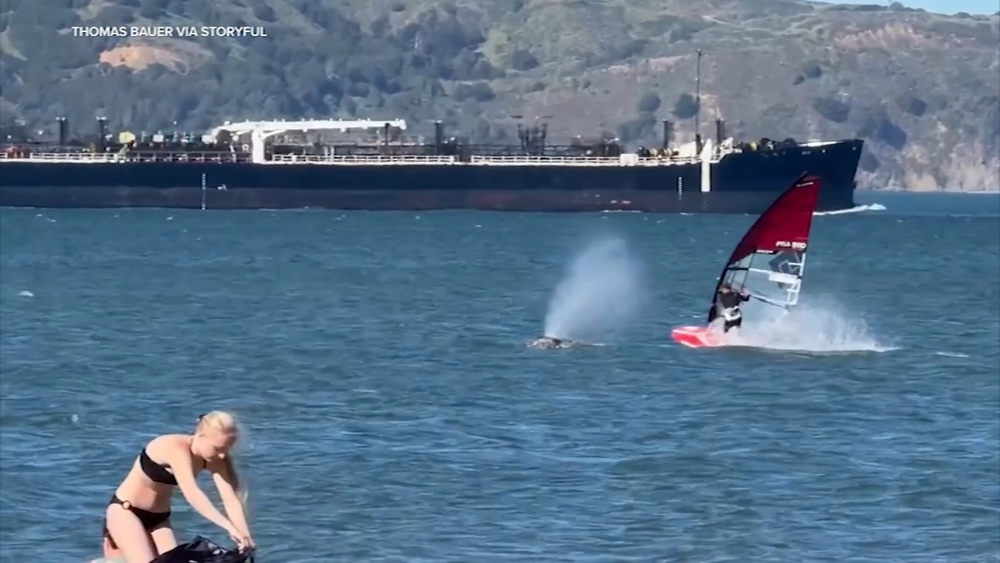
SAN FRANCISCO (KGO) -- The California coast could soon become safer for migrating whales. For more than a decade, a program called Protecting Blue Whales and Blue Skies has worked with shipping companies to slow the speed of massive vessels through sensitive areas at peak migration seasons, reducing the risk of deadly collisions. Now, that program and its enhanced protections are being extended statewide, with a new bill signed into law this fall by Governor Newsom.
"With the expansion of the Protecting Blue Whales Blue Skies program, I think this is a huge win for whales. We have whales all along the California coast outside of these slow-speed zones. So expanding them is just really going to increase the conservation benefit and hopefully protect more whales from ship strike," says Rachel Rhodes, a project scientist at the Benioff Ocean Science Laboratory.
MORE: Oceanic heat wave caused by climate change could endanger marine life, Bay Area scientists say
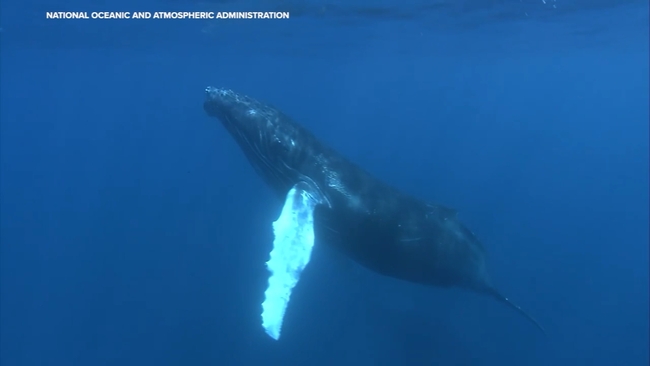
The lab has introduced technologies, including sonar detectors, to pinpoint the location of endangered whales. But Rhodes says factors from ocean temperatures to shifting food sources can quickly change migration patterns.
"And so I think it just goes to show that the ocean is really dynamic," she said. "You're going to have some years where the prey is super close to shore. You might have some where it shifted whales offshore. But we need to be prepared for all scenarios. And so having these expanded vessel speed zones helps us just manage that, kind of cover all of our bases as the ocean is changing."
The vessel speed reduction is voluntary. But supporters say the number of shipping companies signing on has steadily increased.
"We are working closely with the shipping industry to get their feedback," said Jessica Morten, director of marine resource protection at the California Marine Sanctuary Foundation.
MORE: Warning system helps protect migrating whales from ship strikes off Bay Area coast
The foundation works with protected areas, including the Greater Farallones and Cordell Bank Marine Sanctuaries.
"I'd say it's changed in the sense that even more shipping companies are paying attention and caring about this," said Morten. "Typically, what we hear from them is that as long as they can build in these vessel speed reduction zones far in advance to their schedules, they are happy and willing to participate, and they want to contribute to the goal of conservation."
Morten says the goal is to create a flexible statewide plan, taking the entire California coast into consideration, with the state's Ocean Protection Council now joining the process along with federal and other agencies. The new maps and speed reduction plan are expected to be finalized in the upcoming months. While ship strikes are still common off the coast, supporters say the program has cut the risk essentially in half.