SoCal's Burbank Airport had no air traffic controllers for hours Monday night


BURBANK, Calif. (KGO) -- Southern California's Hollywood Burbank Airport faced impacted operations Monday night as air traffic controllers called out in greater numbers due to the government shutdown.
From 4:15 p.m. to 10 p.m. Monday, Hollywood Burbank Airport had no air traffic controllers in their tower.
Operations were instead run remotely by Southern California TRACON, an approach and departure team out of San Diego.
In addition to Burbank, the Federal Aviation Administration also delayed flights into both Denver and Newark International airports due to air traffic controller shortages.
RELATED: Government shutdown hits air travel, closing a control tower and causing delays across the country
Delays with air travel were anticipated due to the government shutdown, which entered its sixth day on Monday.
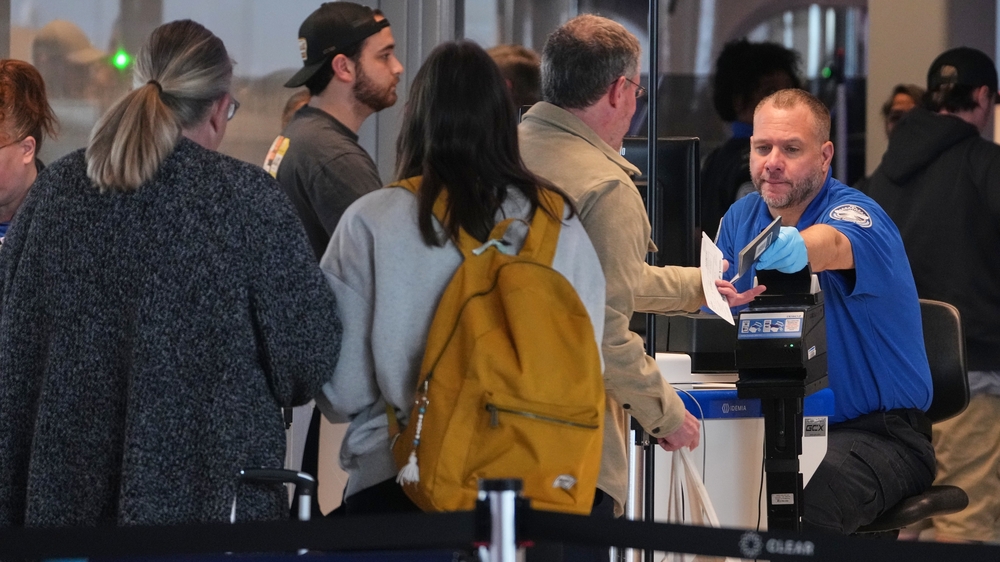
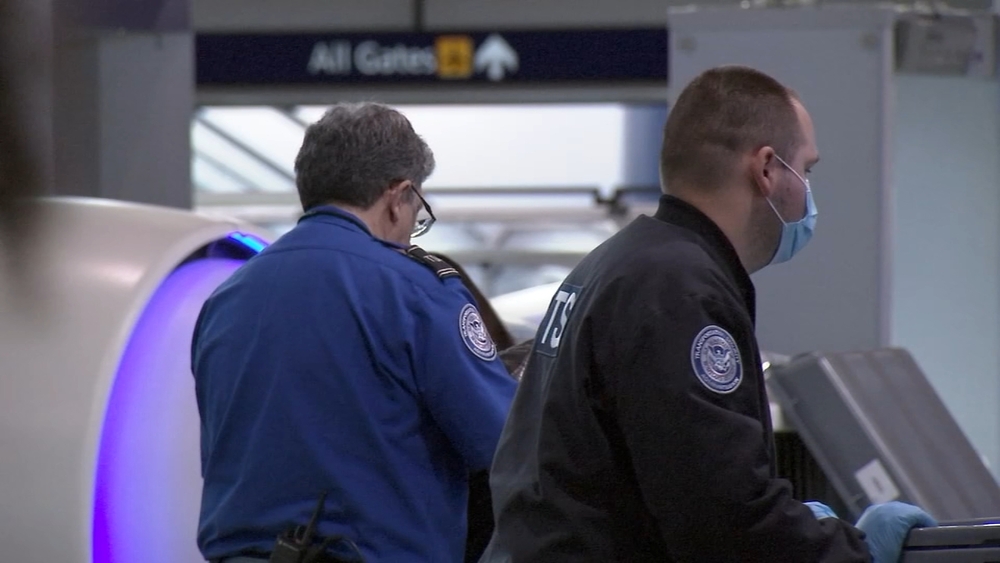
Control towers and airport security checkpoints were still staffed, with about 13,200 air traffic controllers and more than 61,000 Transportation Security Administration employees expected to remain on the job.
Aviation consultant Mike McCarron says although air traffic control staff are deemed essential workers, the ones that are federal employees are currently working without pay.
Many are calling out sick leading to the staffing shortages being seen at American airports- including at Burbank.
With everything going on, the big question on people's mind is should travelers actually be worried?
According to McCarron, the answer in the short-term is no.
"There are procedures to do this," he said. "This has happened in the past if there's been power failures or stuff like that. But this has always been a short-term fix."
In a statement the air traffic controllers' union said in part:
"Nearly 11,000 fully certified controllers remain on the job, many working 10-hour shifts as many as six days a week, showing extraordinary dedication to safely guiding millions of passengers to their destinations= all without getting paid during this shutdown."
The union also said the issue is being made worse by persistent staffing shortages in the industry overall.
McCarron says this problem has been growing for years.
"It takes about five months to complete the academy training. And then it takes anywhere from two to four years to become completely qualified as a controller. So there's a huge lag time," he said.
As more time passes for the workers since their last paycheck, travelers could start to see longer lines at security and flight interruptions, said Jeffrey Price, professor of aviation at the Metropolitan State University of Denver.
"The system does become a little bit more brittle, and the longer this goes, the more the traveler is going to notice it," Price said.
That's what happened in 2018 and 2019, when Trump led the country into its longest shutdown ever for 35 days during his first term.
About three weeks into that shutdown, some unpaid security screeners started calling in sick, and air traffic controllers sued the government in a bid to get their paychecks. Miami International Airport had to temporarily close one of its terminals because TSA officers were calling in sick at twice the airport's usual rate.
The latest shutdown is unfolding at a time when both the TSA and the Federal Aviation Administration are already facing staffing shortages, including a shortage of about 3,000 air traffic controllers.
If the system can't handle the number of flights that are scheduled, the FAA will slow down landings and take offs and passengers will see more delays and cancellations.
The Associated Press contributed to this report.