Dolphin's euthanization at Six Flags in Vallejo prompts calls for relocation of other dolphins
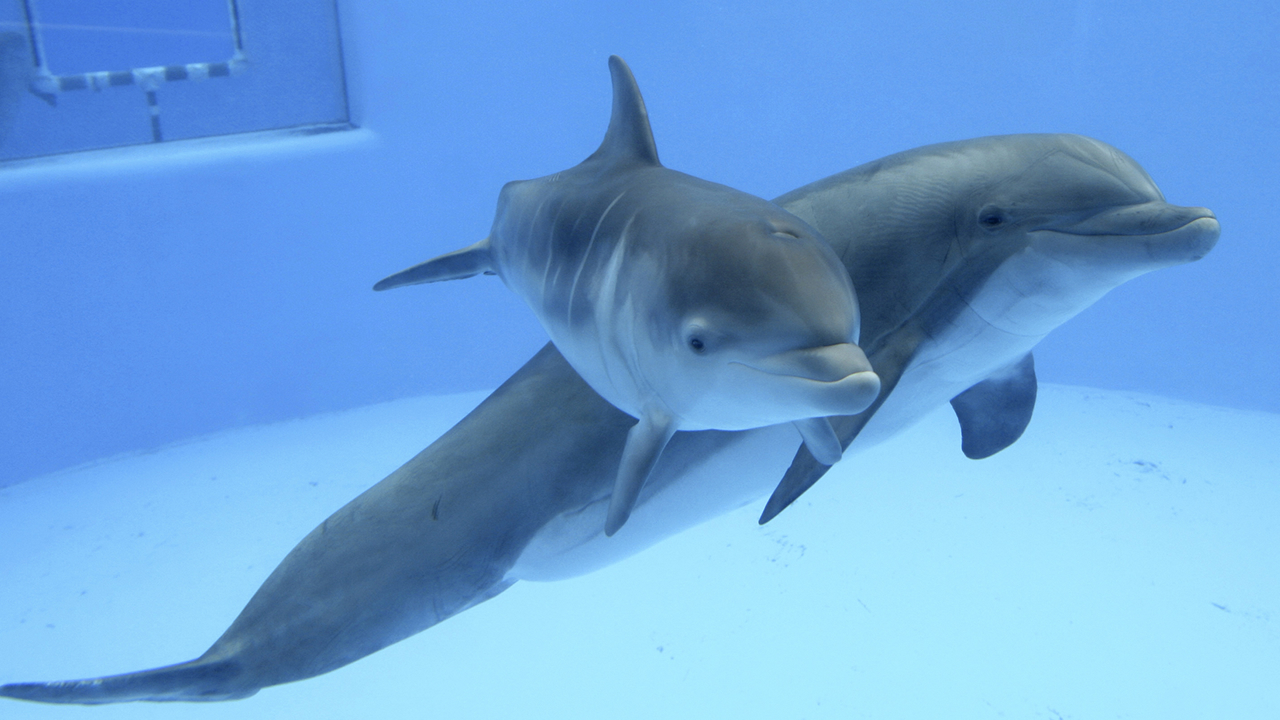
Chelsea was a bottlenose dolphin that was part of Six Flag's marine mammal program, featured in shows and visitor encounters


VALLEJO, Calif. -- A bottlenose dolphin that spent more than four decades at Six Flags Discovery Kingdom in Vallejo was euthanized last month after years in captivity, prompting an animal rights group to renew calls for the park's remaining dolphins to be moved to seaside sanctuaries.
Chelsea was a bottlenose dolphin that was part of Six Flags Discovery Kingdom's marine mammal program and was used in shows and visitor encounters.
Chelsea's life ended July 14. Her entry in the Marine Mammal Inventory Report, a federal record maintained by the National Oceanic and Atmospheric Administration's National Marine Fisheries Service to track dolphins and other marine mammals held in captivity, lists her cause of death as euthanasia due to "multiple recurring chronic diseases" and a "declining quality of life."
This death has become the group's most recent focus in their longstanding criticism of dolphins being held in captivity for entertainment.
On Monday, PETA sent a letter to Six Flags Entertainment Corp. CEO John Reilly asking the company to end its swim-with-dolphins encounters and commit to moving the surviving dolphins at Discovery Kingdom to seaside sanctuaries. Such sanctuaries would allow the animals to live in larger, more natural environments while remaining under human care.
Six Flags Discovery Kingdom did not immediately respond to a request for comment on Chelsea's death or PETA's calls for changes to the park's dolphin program.
PETA president Tracy Reiman said Chelsea spent more than 40 years confined to tanks and criticized the park for breeding and using dolphins in shows and visitor encounters.
"For more than 40 years, Six Flags Discovery Kingdom sentenced Chelsea to a life of misery in a sad, shallow pool," Reiman said in a statement.
In its letter to Reilly, PETA pointed to Chelsea's history as an example of why it believes Six Flags should move away from dolphin entertainment altogether. The organization said dolphins have complex social and physical needs that cannot be met in captivity and cited welfare concerns including stress, disease and abnormal behavior.
The group placed Chelsea's death in the context of a broader move away from captive dolphin attractions, noting in its letter that several major travel companies no longer sell tickets to venues offering dolphin encounters and that some countries have restricted or banned dolphin captivity.
"Chelsea deserved a future beyond concrete tanks," Reiman wrote in the letter. "It's too late for her, but there's still time to do the right thing for the surviving dolphins.