What are structural, institutional and systemic racism?
In the fight for racial equality, words matter. We explain some common terms that might help you.


SAN FRANCISCO (KGO) -- In the fight for racial equality, words matter. Building a Better Bay Area means understanding some of the terms that are being used to define the Black Lives Matter movement.
TAKE ACTION: Find resources to help with equality, justice and race issues
Here's some common terms that might help you.
Structural, institutional and systemic racism broadly refer to the "system of structures that that have procedures or processes that disadvantage African Americans," said Andra Gillespie, an associate professor of political science and director of the James Weldon Johnson Institute at Emory University.
According to the NAACP, it refers to the rules, practices and customs once rooted in law with residual effects that reverberate throughout society. But they each come with their own nuances.
ABC7 LISTENS: 'Allies in Action: A Bay Area Conversation'
Systemic and Structural Racism:
In many ways, "systemic racism" and "structural racism" are synonymous and used interchangeably.
A good example of systemic racism is a "redlining" system once used by banks and the real estate industry that literally outlined the neighborhoods where people of color lived in red ink. If you lived inside the red lines, loans were considered risky and banks were less likely to give loans or invest.
The practice was banned in 1968, but impact lives on, preventing black families from amassing wealth at the same rate as their white neighbors on the other side of that red line. Need proof?
According to the Federal Reserve, the net worth of a typical white family is $171,000, which is 10 times greater than that of a black family.
Homes in black neighborhoods are generally and historically worth less than white homes because the developers and businesses that make a neighborhood, well, a neighborhood are less likely to be there.
ABC7 LISTENS: 'From Anger To Action: A Bay Area Conversation'

That means the tax base is lower too, which has a trickle-down effect -- less tax dollars for schools, means fewer kindergarten classes, fewer qualified teachers, fewer AP classes.
According to the National Center for Education Statistics, African Americans have lower graduation rates from high school and even fewer go on to graduate from college.
This is in part caused by the school-to-prison pipeline that disproportionately impacts people of color.
Once you have a criminal record, it invades all aspects of your life. Getting everything from a job to an apartment becomes that much more difficult.
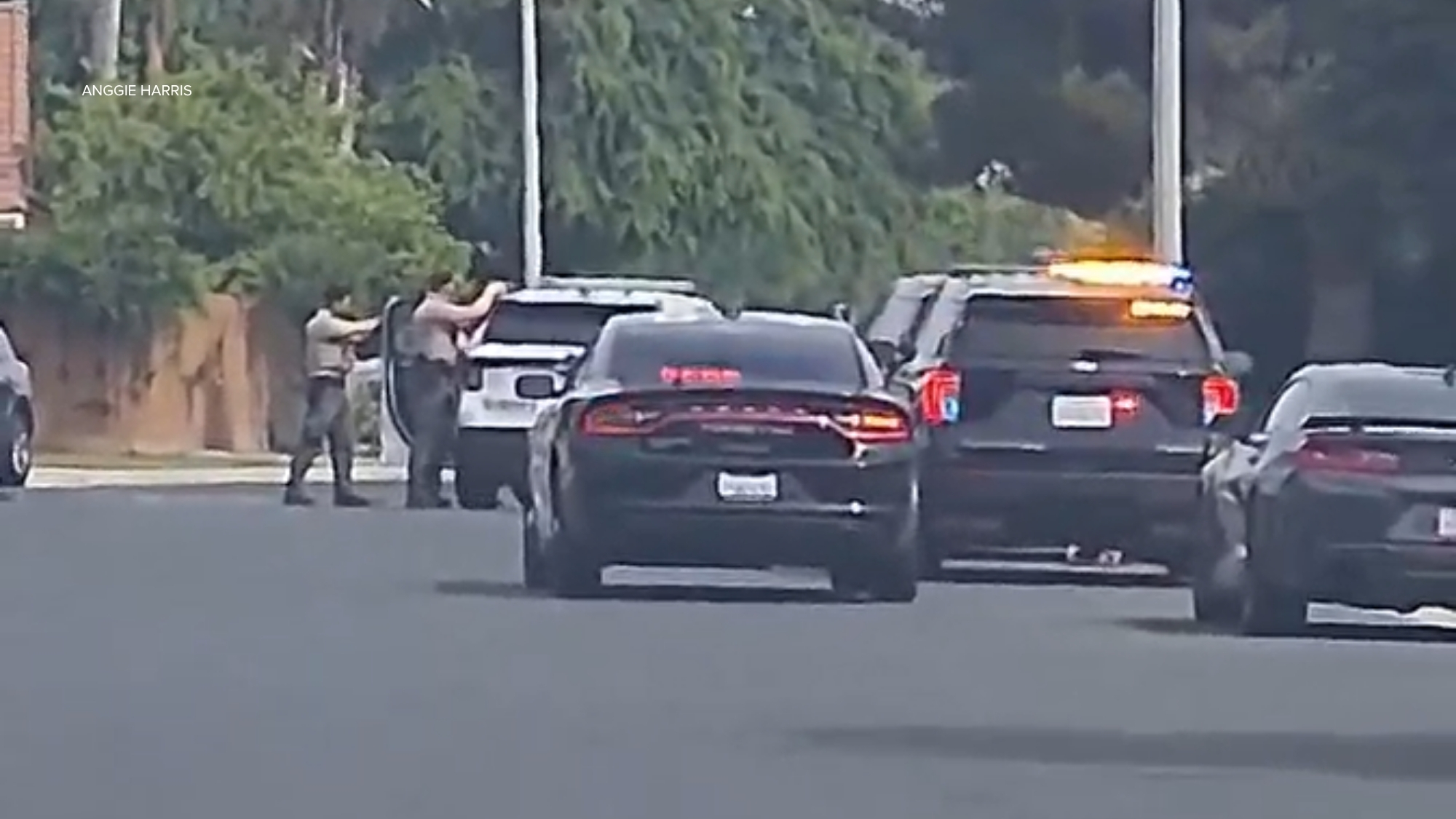
Many people believe their communities are over-policed. Presumed to be overly dangerous. But consider this, Black and Brown people account for 30% of the U.S. population but FBI statistics show they account for 43% of people killed by police and, the NAACP reports, more than half of the incarcerated population.