How Trump can try to stop the oil price surge, according to experts
U.S. oil prices have soared more than 40% over the past week.


Oil prices continued to soar on Friday, rattling stock markets and threatening price increases for some essential products as war escalated in the Middle East.
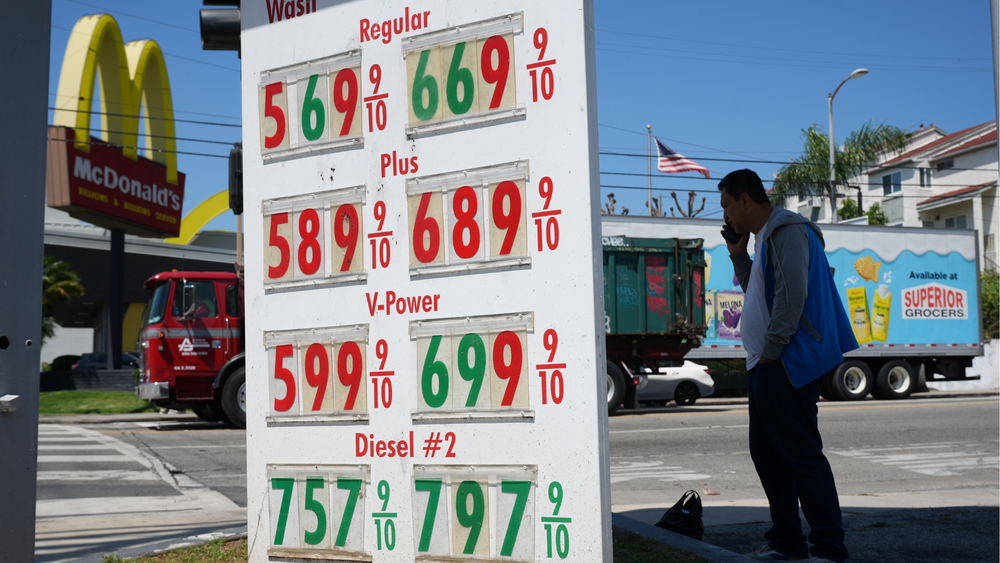
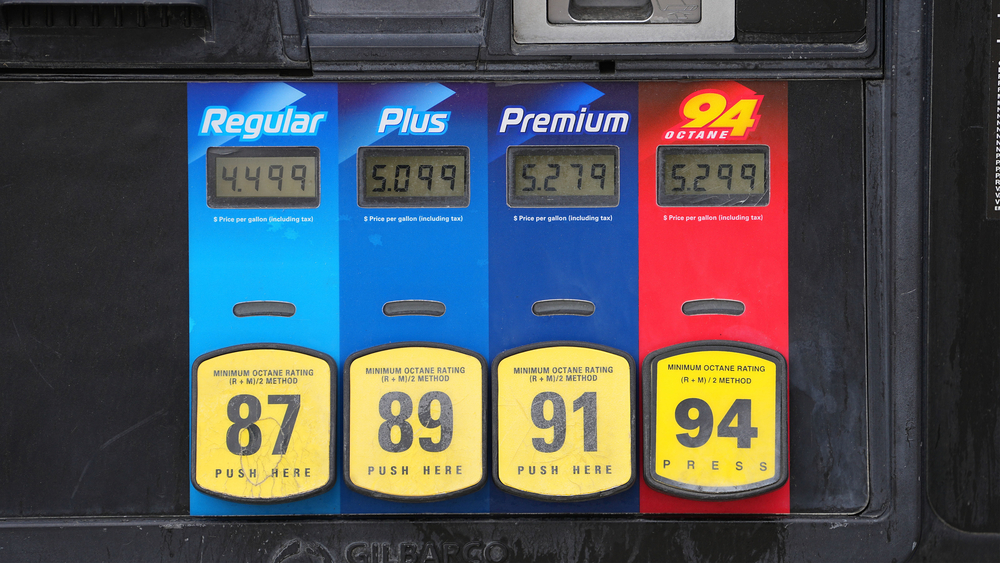
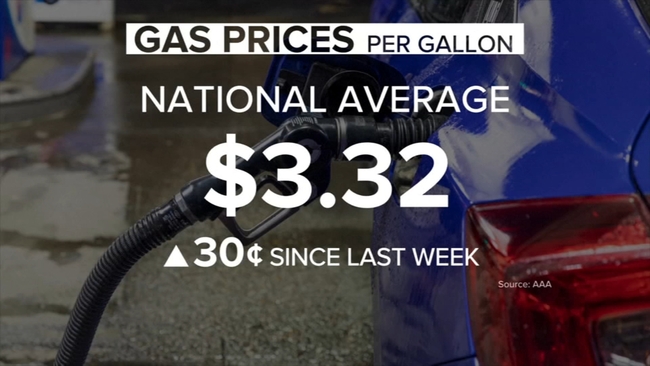
Drivers already faced sticker shock at the pump. Gasoline prices soared to $3.32 a gallon on Friday, hitting their highest level since September 2024, AAA data showed.
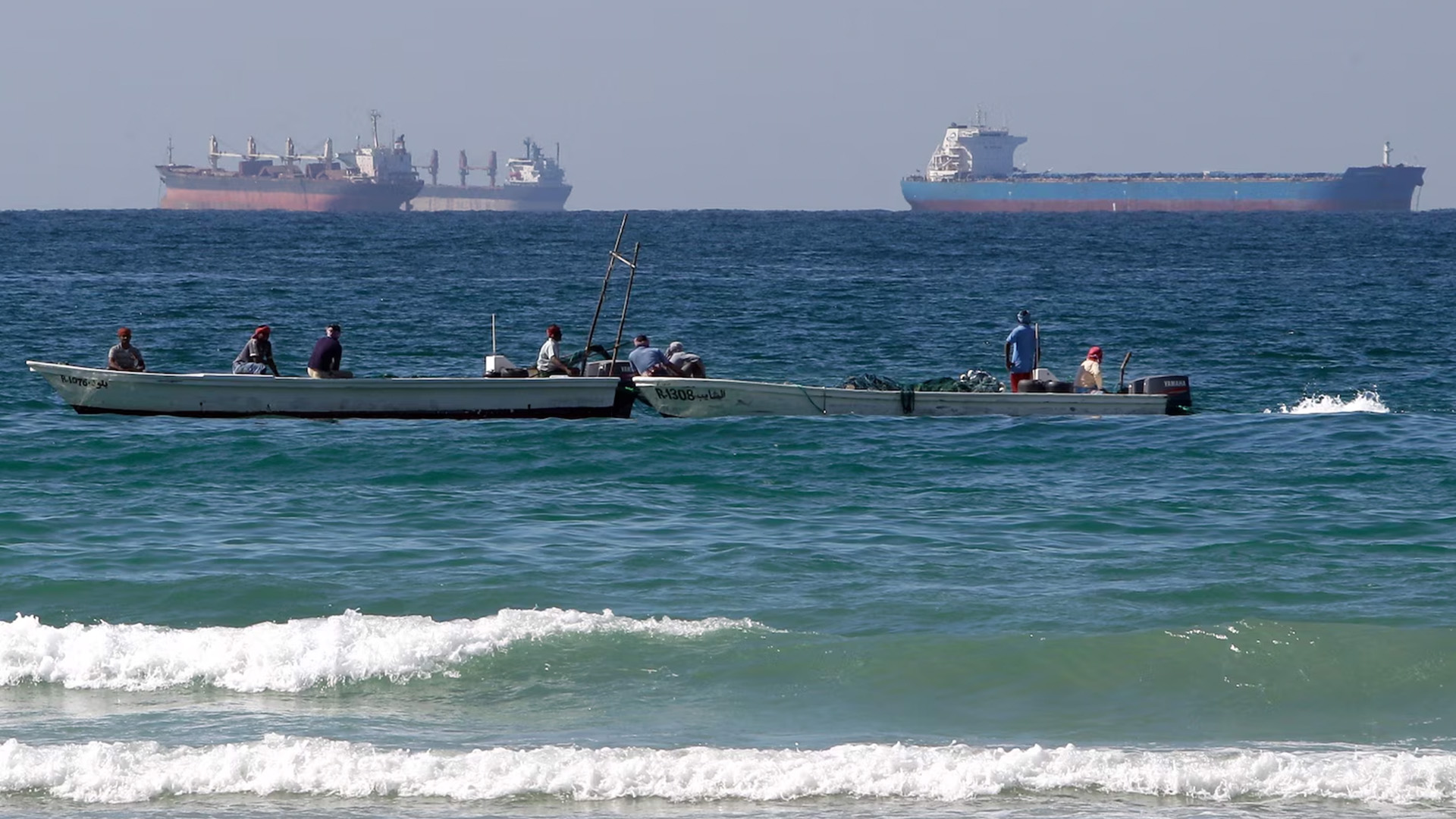
The rise in oil prices stemmed from the near-closure of the Strait of Hormuz, a critical trading route off the Southern coast of Iran that facilitates the transport of about one-fifth of global crude supply.
Watch special coverage onNightline, "War with Iran," each night on ABC and streaming on Disney+ and Hulu.
U.S. Treasury Secretary Scott Bessent took action to staunch the rise of oil prices late Thursday, announcing on X a 30-day waiver permitting Indian firms to purchase some Russian crude in an effort to boost global supply. The move did not appear to reassure jittery traders as prices continued to climb.
The Trump administration retains other policy options for combatting the price hike, industry analysts told ABC News, such as tapping the U.S. Strategic Petroleum Reserve (SPR) or ending the conflict.
Here's what to know about steps Trump could take to ease oil and gasoline prices, according to experts:
Government-backed tanker insurance and U.S. Naval escorts
On Tuesday, Trump floated a pair of policies aimed at alleviating the tanker stoppage in the Strait of Hormuz: government-backed shipping insurance and U.S. Naval escorts.
In theory, those policies could reinvigorate oil supply and bring prices down, since ships may be more willing to attempt passage through the strait, analysts said. But, they added, implementation faces significant hurdles.
In a post on social media on Tuesday, President Donald Trump ordered the federal government to provide "political risk insurance and guarantees for the Financial Security of ALL Maritime Trade, especially Energy, traveling through the Gulf."
"If necessary, the United States Navy will begin escorting tankers through the Strait of Hormuz, as soon as possible. No matter what, the United States will ensure the FREE FLOW of ENERGY to the WORLD," Trump added.
The notion of government-backed insurance for oil tankers could offer a "short-term fix" as shipping firms enjoy reduced premiums and assurance of recouped losses in the event of damage or lost cargo, Christopher Tang, a professor of supply chain management at the University of California, Los Angeles, told ABC News.
The proposal could pose significant costs for the U.S. government, however, as a public entity takes on the risk of losses for a large swathe of the multi-trillion dollar oil sector, Tang added. Other analysts noted that government-backed insurance would do nothing to address risks of injury or death faced by crew members.
Ultimately, the policy would probably make little dent in the oil-price spike, since it likely would not restore tanker traffic, some analysts noted. "I think the impact would be very small," said Tang.
The notion of U.S. Naval escorts for oil tankers, on the other hand, could alleviate the safety-related fears of shipping companies and crews, some analysts said.
"The U.S. Naval escorts are in my view a more concrete way to support an attempt at transportation through the strait," Dominic Pappalardo, chief multi-asset strategist at Morningstar Investment Management, told ABC News.
Roughly 100 oil tankers and freight ships pass through the Strait of Hormuz each day, according to Kpler data provided to CNBC.
That level of traffic could pose a problem of scale for the U.S. Navy, which would need to deploy sufficient assets to protect every ship in a vulnerable waterway that is just 21 miles wide at its narrowest point, some analysts said.
"I'm very doubtful that it will be taken up at the scale that would be meaningful," Ramanan Krishnamoorti, a professor of petroleum engineering at the University of Houston, told ABC News.
Strategic Petroleum Reserve
The U.S. could tap millions of barrels of oil in the SPR as a means of easing the global supply crunch, analysts said, but the approach carries limitations and risks.
Established after the Arab Oil Embargo triggered an energy crisis in the early 1970s, the SPR provides an emergency source of oil for the U.S. government.
The reserve, which can reach as many as 714 million barrels, is stored in large, high-security underground salt caverns along the gulf coastlines of Louisiana and Texas.
As of last week, the reserve stood at about 415 million barrels or 58% of overall capacity, according to the Energy Information Administration.
For reference, roughly 20 million barrels of oil pass through the Strait of Hormuz each day, meaning an effort to make up for that shortfall could quickly draw down the stockpile, according to Krishnamoorti.
"It's a valuable resource," he said. "But it likely would not be enough oil."
The new supply would arrive after a delay of several weeks, he added, since the crude would need to reach Asian countries that depend on oil that passes through the strait. Since U.S. oil production remains robust, government officials may want to preserve the reserve in case of a possible domestic oil crisis down the road, Krishnamoorti added.
The SPR could be invoked, however, as a gesture indicating that the U.S. government is serious about containing oil prices.
"I'm not sure it necessarily would change the actual dynamic of a global shortage but it could address market fears," Krishnamoorti added.
Resolution of the war
Some analysts said the most effective way to reverse the rise in oil prices would be a resolution of the conflict.
Pappalardo and Krishnamoorti both noted that, in theory, a ceasefire with Iran could restore traffic through the Strait of Hormuz and end the global supply shortage. This idea was echoed by Timothy Fitzgerald, a professor of business economics at the University of Tennessee who studies the petroleum industry.
"If you had an end to hostilities and maritime insurers were more comfortable underwriting ships transiting the strait, that would alleviate some of the short-term pressure," Fitzgerald told ABC News.
Ultimately, the war's end could bring prices back down to pre-war levels, Fitzgerald said. U.S. crude prices topped $92 per barrel on Friday, marking a 46% rise from a month earlier. A complete reversal of those gains would be achievable in the event of a peace agreement, but it would likely take an extended period of time, even after violence subsided, he added.
"There's a long way to come back down and I wouldn't expect that to adjust quickly," Fitzgerald said.
To be sure, U.S. military officials say Iranian firepower has been significantly degraded.
Iranian missile attacks have decreased 90% since the first day of the war, according to CENTCOM Commander Adm. Brad Cooper.
Iranian drone attacks have also fallen 83%, he said. Six American troops in Kuwait were killed by a drone attack over the weekend.
The likelihood of a ceasefire appears remote, at least for now. President Donald Trump on Friday appeared to rule out a compromise to end the war, saying on social media there would be "no deal with Iran except UNCONDITIONAL SURRENDER!"