CA denies Louisiana's request to extradite Bay Area doctor accused of mailing abortion pills


SAN FRANCISCO (KGO) -- California Gov. Gavin Newsom announced Wednesday that he is denying Louisiana's request to extradite a Bay Area doctor accused of mailing abortion medication into the state.
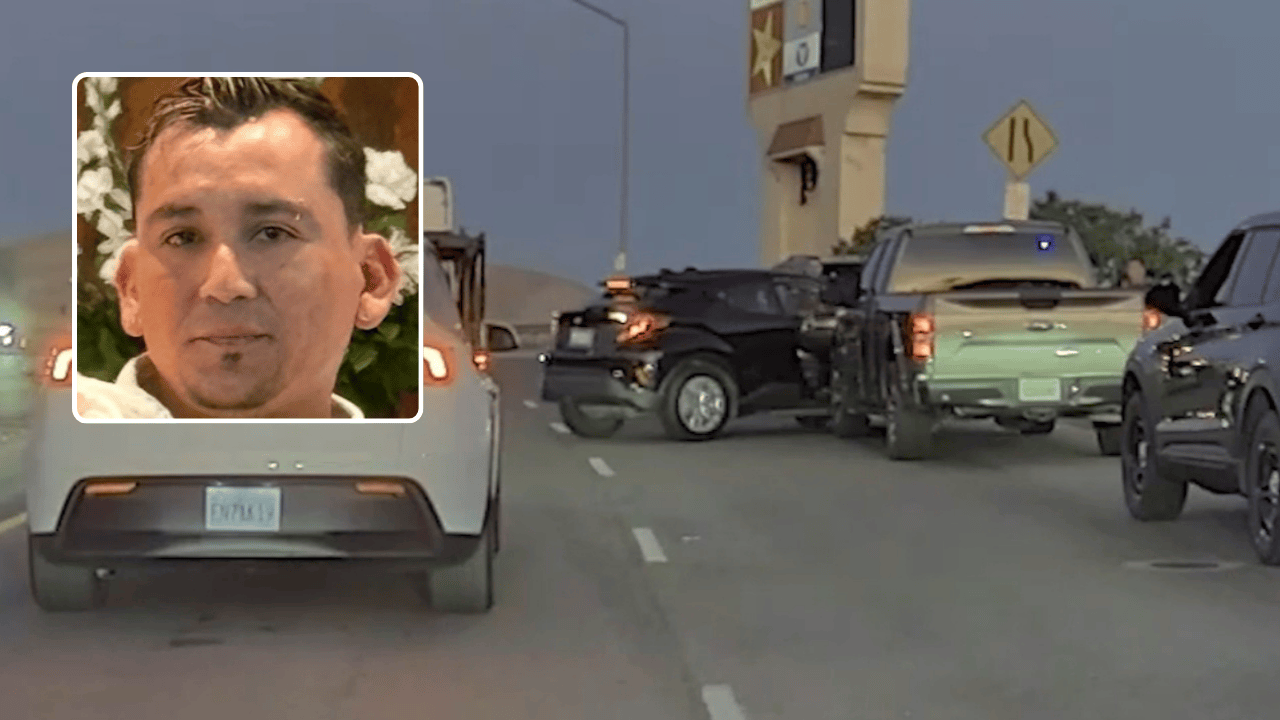
Louisiana Attorney General Liz Murrill announced a criminal arrest warrant for Dr. Remy Coeytaux, a physician who lives in Healdsburg, California. Prosecutors allege Coeytaux mailed abortion pills to a Louisiana woman who ordered the medication online after learning she was pregnant in 2023.
"We are going to continue to fight the illegal sending of abortion pills into Louisiana," AG Murrill said.
RELATED: Texas lawmakers approve letting private citizens sue abortion pill providers
According to extradition court documents obtained by ABC7 News, Louisiana prosecutors have charged Dr. Coeytaux in St. Tammany Parish with felony "criminal abortion by means of abortion inducing drugs."
The documents allege investigators used postal tracking data to link a package containing abortion medication to Dr. Coeytaux and state that, in the opinion of prosecutors, "the ends of justice...require that Remy Coeytaux be brought to this State."
MORE: Supreme Court hears subpoena dispute over anti-abortion pregnancy centers
The packet includes a request asking Louisiana's governor to seek extradition, but California Governor Gavin Newsom's office say no formal extradition request has been received.
In a statement to ABC7 News, Governor Gavin Newsom's office said:
"California protects patients and their doctors. We will not be complicit in efforts to strip away their privacy, autonomy, or dignity. Stay tuned."
In 2022, Newsom signed Executive Order N-12-22, which directs California to protect state-held data from being used by out-of-state anti-abortion entities and to decline extradition requests for health care providers accused of providing lawful reproductive health care. California also passed abortion shield laws in the same year. The laws are designed to protect healthcare providers who perform abortion services in states where abortion is banned.
"This is the state of Louisiana seeking to extradite a doctor from California," said UC Davis law professor and abortion law expert Mary Ziegler.
Ziegler said extradition is among the most difficult enforcement tools available to states with abortion bans.
"I don't think that this is likely to be the case that results in a California doctor being prosecuted successfully," Ziegler said. "At the same time, that shouldn't create a false sense of security that shield laws will always hold up."
This case could be the first to test California's abortion shield laws.
MORE: California sues hospital for denying patient an emergency abortion
Since the U.S. Supreme Court overturned Roe v. Wade, abortion policy has largely been left to individual states, fueling legal conflicts across state lines. Ziegler said those tensions have not eased.
"One thing it shows is that leaving it to the states is never going to lead to the kind of depoliticization of reproductive rights the court may have had in mind," she said. "States are not content to leave one another alone."
Ziegler also said cases like this could increase pressure on the federal government to intervene.
"We're going to continue to see conservatives put pressure on the Trump administration to announce a federal policy that abortion opponents want to see," she said. "It's very hard for there to be a definitive victory for either states like California or states like Louisiana, because each challenge to shield laws presents new legal questions."
Meanwhile, access to abortion medication through telehealth has expanded. Ziegler pointed to recent Kaiser Family Foundation data suggesting roughly a quarter of abortions nationwide are now performed via telehealth, though she said the true number may be higher because procedures in states where abortion is banned are harder to track. The data shows telehealth abortions have nearly tripled in the state of Louisiana from July 2023 to June 2025.
ABC7 News reached out to Dr. Coeytaux for comment but has not heard back.
In a statement, the Center for Reproductive Rights, who is representing Dr. Coeytaux against civil charges, tells ABC7 News:
"These allegations are just that: allegations. As such, they are unproven and should not be reported as fact. The Center for Reproductive Rights represents Dr. Coeytaux against civil charges he is facing, not these criminal charges. While we can't comment on this matter itself, one thing is clear-the state of Louisiana is going after doctors for allegedly harming women, yet they are enforcing an abortion ban that puts women's lives at risk every day. Women continue to die from being denied abortion care. Abortion pills are widely used and incredibly safe, including when provided via telehealth. Women should also be able to get safe and legal abortion care in their own state. Thousands of women seek abortion pills via mail every year because abortion is banned in their state, and that will not change until abortion is legal everywhere."

If you're on the ABC7 News app, click here to watch live