Take a look: National Geographic reveals its 2025 Pictures of the Year
Take a look at the most unforgettable photos of 2025, from wildlife portraits to groundbreaking scientific discoveries

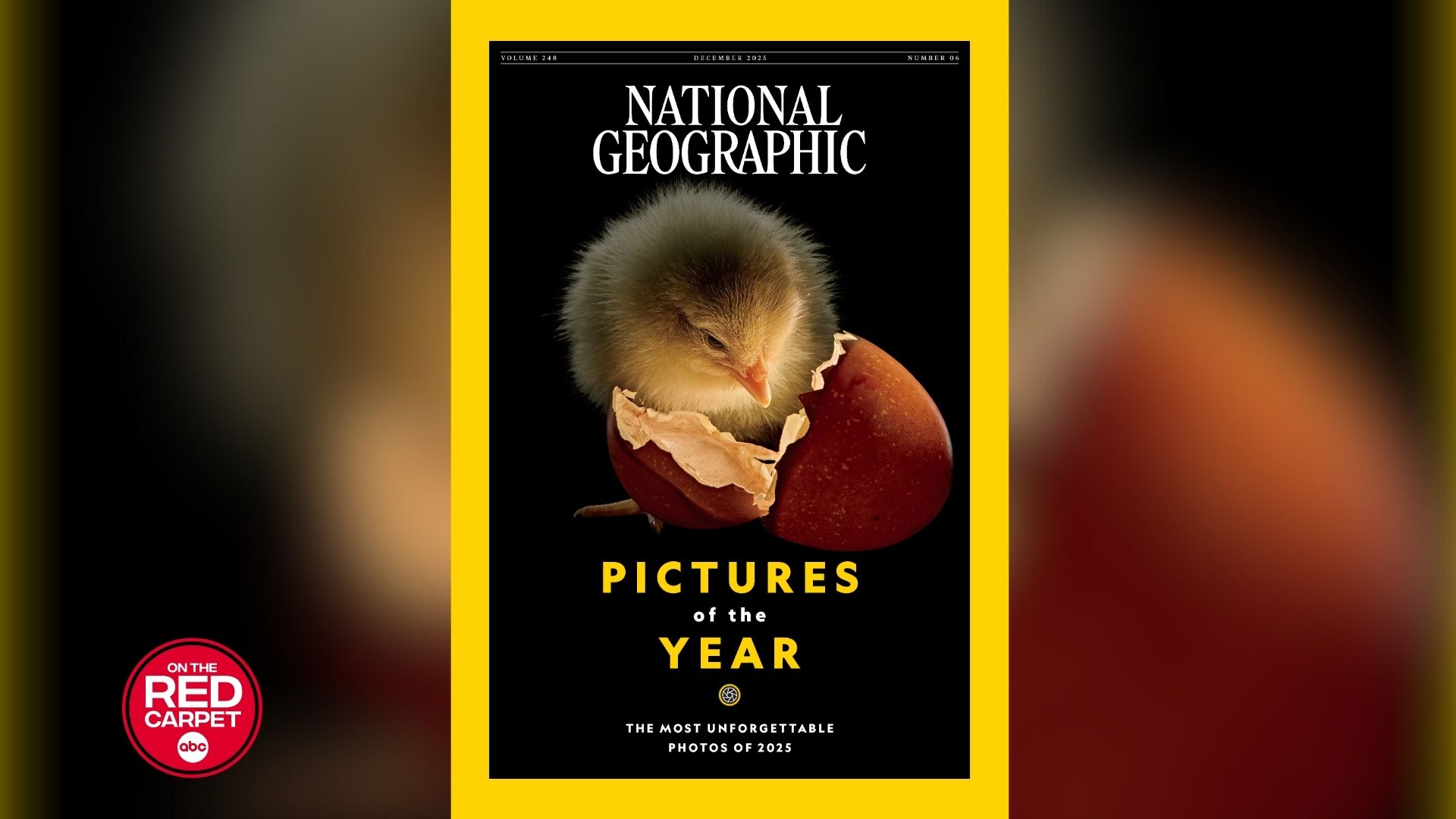
Each year, National Geographic highlights a collection of the most compelling images captured by Nat Geo photographers over the past 12 months in their "Pictures of the Year."
For 2025, Nat Geo compiled 25 extraordinary pictures from the past year, which Editor in Chief Nathan Lump writes, "encode a sense of urgency, a call to preserve what's in danger of being lost, as well as a reminder of the poetic beauty to be found in carrying on, in daring to dream of a better future."
The photos are diverse in their storytelling, including intimate wildlife portraits, sweeping landscapes, groundbreaking scientific discoveries and intimate human narratives.
We have a preview of the collection below.
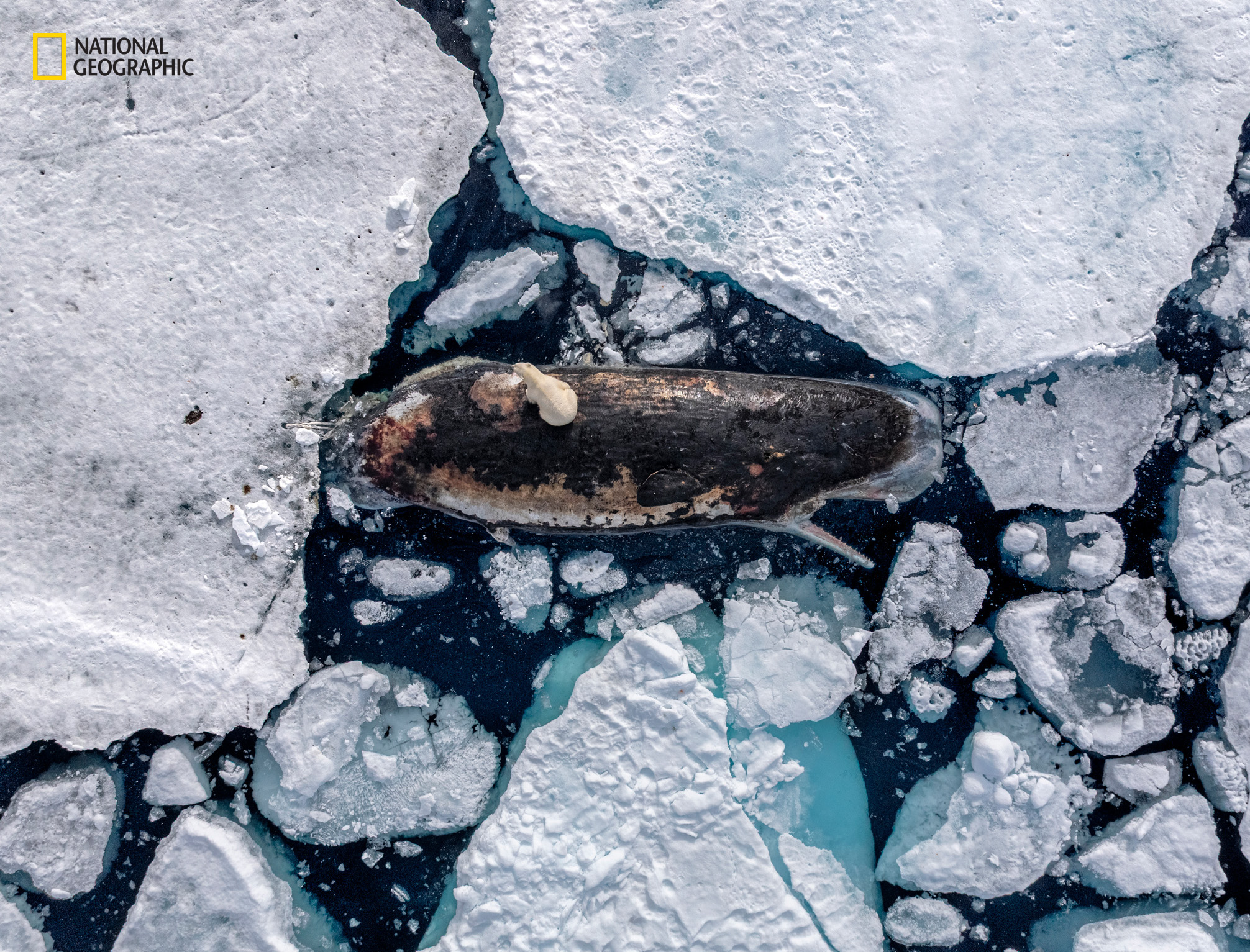
A sperm whale floats amid shards of polar pack ice, dead and decomposing, mouth hanging open. When photographer Roie Galitz captured the scene with a drone, the image was so arresting that it took a moment to notice the hungry female polar bear stretching her jaw to break through the whale's leathery skin. Galitz was leading a photography expedition along Norway's Svalbard archipelago when he spotted a blackened blob floating on the horizon. As the icebreaker drew close, he could see (and smell) that the blob was a massive decaying carcass releasing an occasional exhalation of noxious gas, "like a big air cushion." The encounter raised a curious question: What was a sperm whale doing here? The species prefers temperate climes, but as Arctic waters warm, some whales are moving beyond their traditional range. Strong currents and winds might also have pushed it north, a happy surprise for both Galitz and the bear, which worked hard for the feast. "You can see she's trying to get in and get through, but the hide is just so thick." (Photo by Roie Galitz)
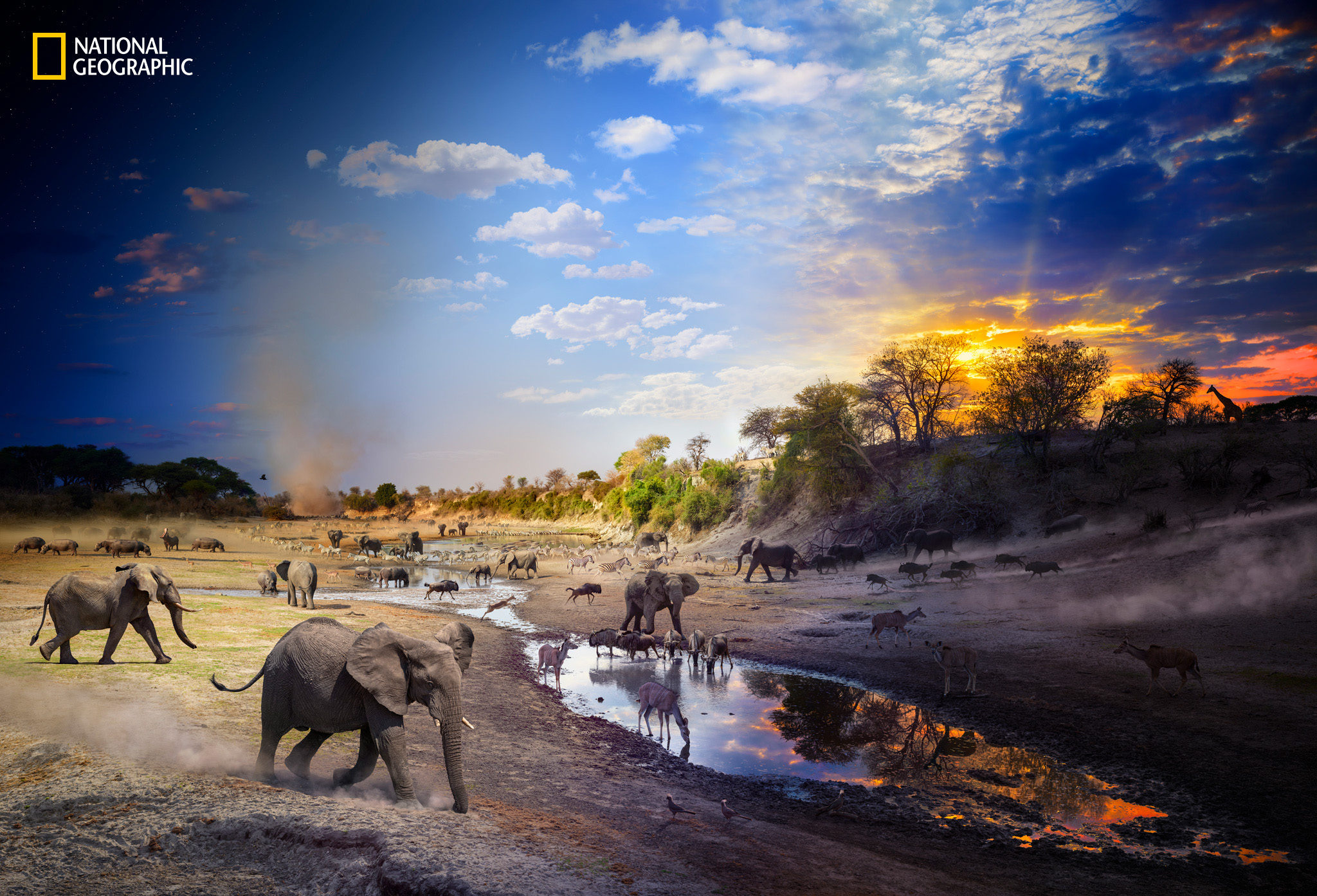
Over the course of one action-packed day, photographer Stephen Wilkes watched animals charge toward a meager water hole at the height of extreme drought in Botswana's Okavango Delta. Elephants flared their ears. The legs of antelope and zebras splayed in a mad dash. One hippo dipped its head to charge an elephant calf, while another opened its mighty mouth in an intimidating display. Wilkes applied his signature Day to Night technique, in which he takes as many as 1,500 pictures from one vantage point over the course of 18 to 36 hours, seamlessly layering the 50 or so best moments to create a final image. (Photo by Stephen Wilkes)
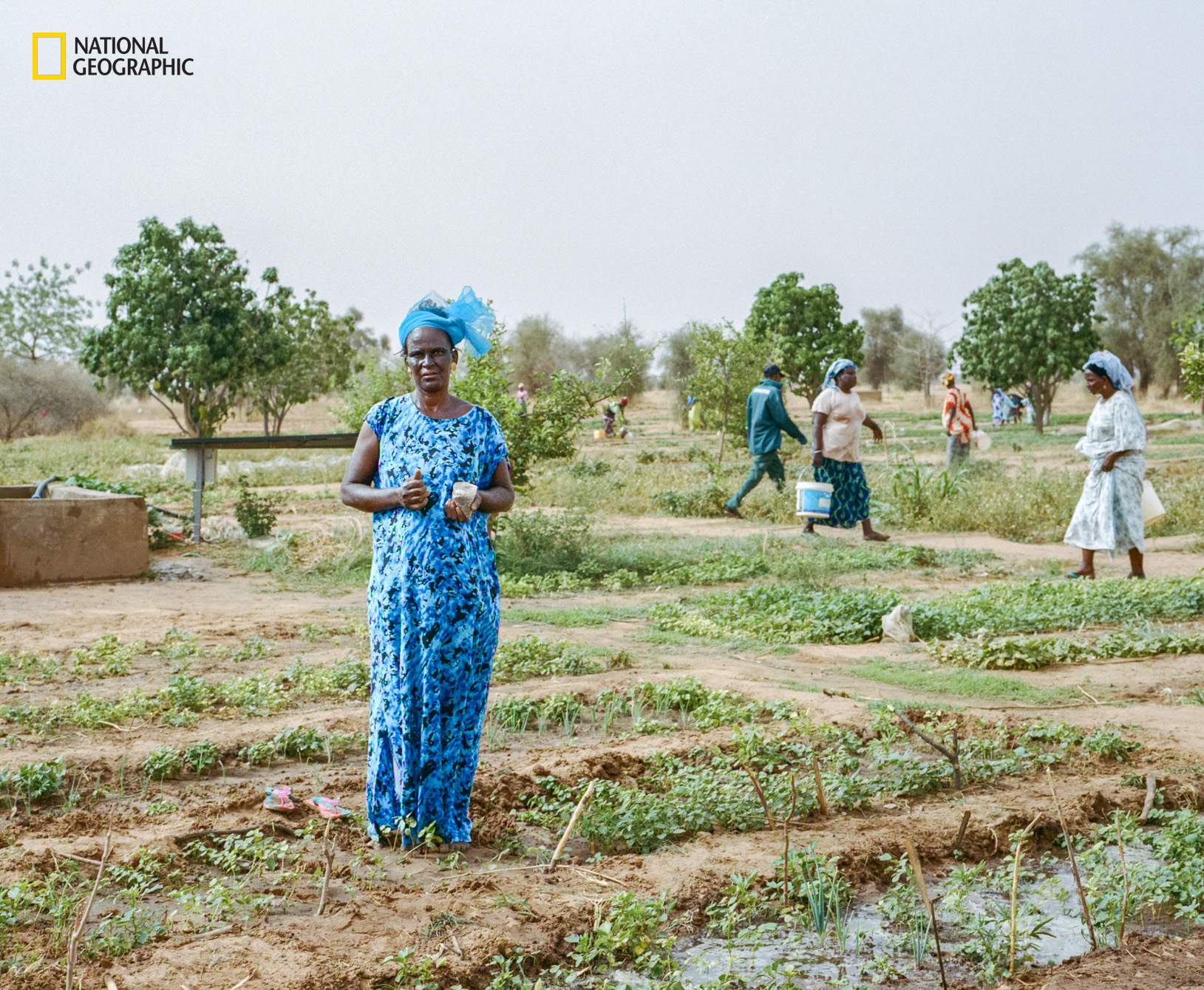
In the arid plains of western Senegal, Africa's ambitious Great Green Wall project is well under way. In 2007, African Union leaders conceived a bold initiative to fight desertification by planting one massive line of vegetation before 2030 that would stretch nearly 5,000 miles across more than 20 countries. If successful, the multi billion-dollar restoration will be one of the largest steps ever taken to bring back degraded land. Whether or not that grand goal is met, local farmers are making progress tending to the "wall." Marieme Samba Ba, seen here in the foreground, is treasurer of And Book Am Am (Together We Share Wealth), an all-female Senegalese food cooperative in Mbaye Awa. Nine years ago, And Book Am Am was granted a 15-acre plot by the government, and today more than 400 members sell their produce in local markets or bring what they grow home to feed their families. (Photo by Miora Rajaonary)
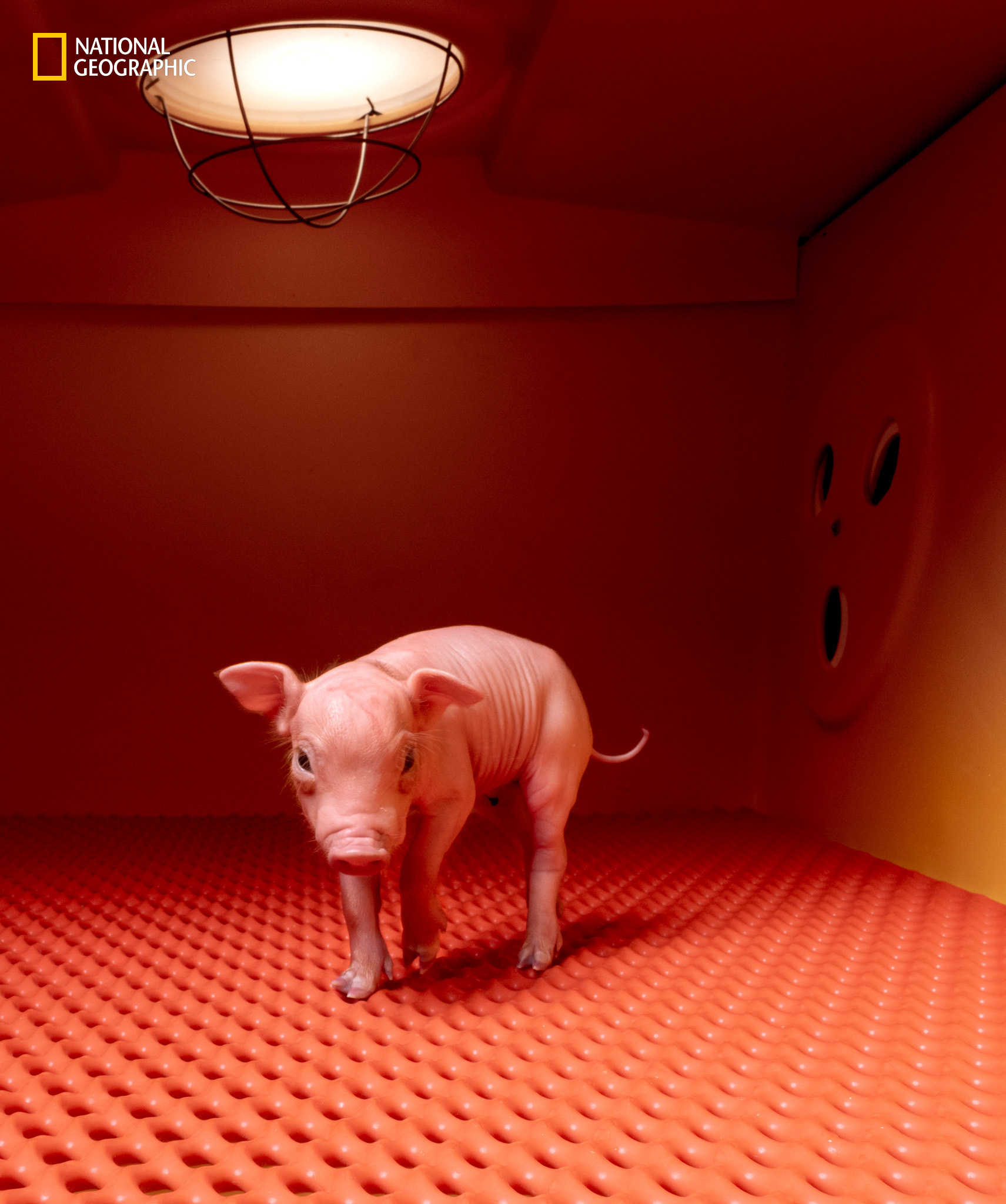
This two-day-old piglet was bred to save lives. Scientists modified its genes in an attempt to harvest kidneys for human transplantation. Pigs like this represent new hope for the tens of thousands of Americans in desperate need of kidneys, 66 percent of whom remain on the waiting list for more than a year. (Photo by Craig Cutler)
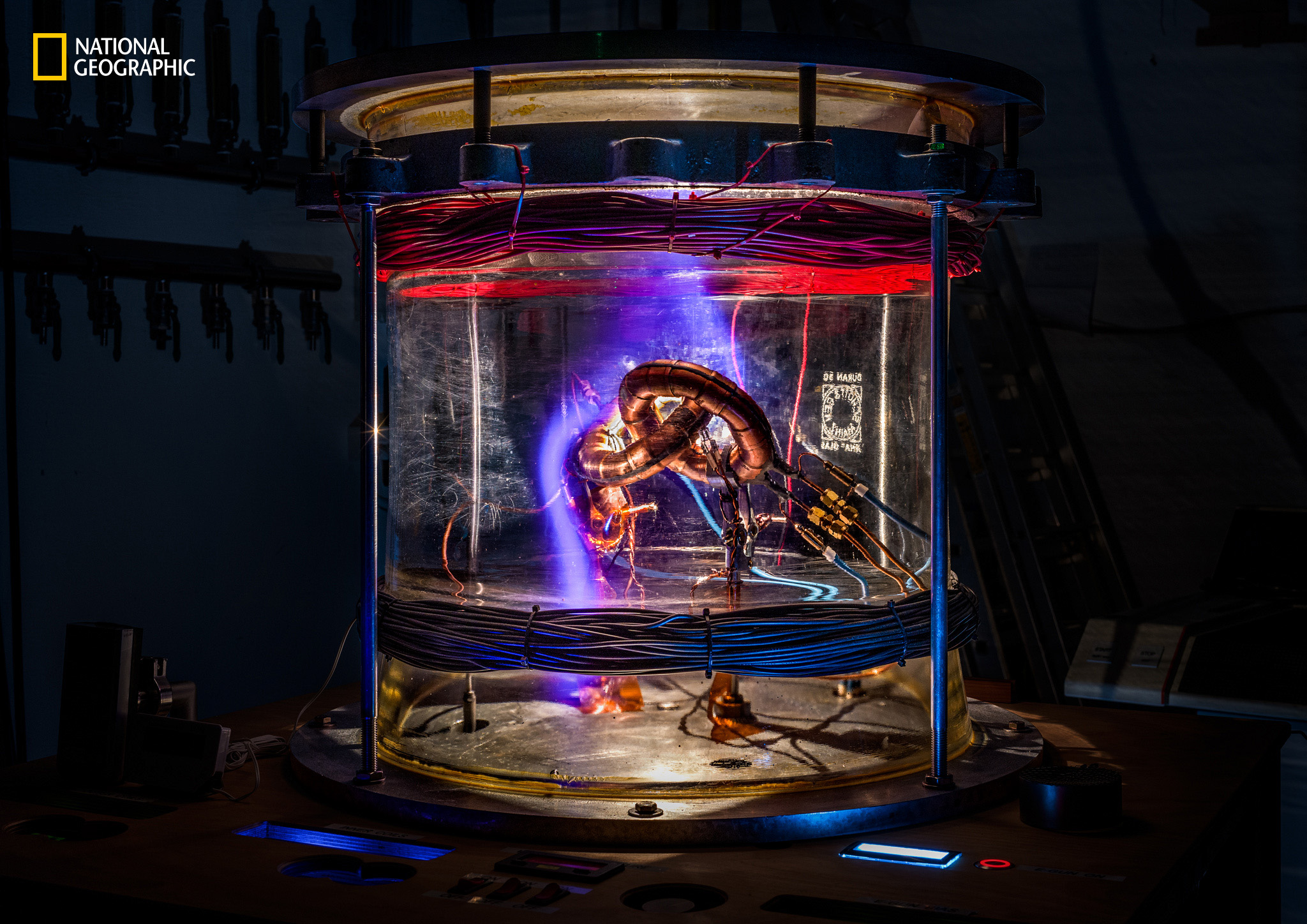
With an eye toward solving the global energy crisis, scientists are developing powerful nuclear fusion devices called stellarators. This model was created at a German lab where international researchers built a much larger one that generated an astonishing 54 million-degree-Fahrenheit reaction. For a record-breaking 43 seconds, it was the hottest entity in the entire solar system-including the sun's center. (Photo by Paolo Verzone)
Take a look at the full selection of National Geographic's Pictures of the Year 2025 at natgeo.com/photos and in the December issue of "National Geographic."
Related: National Geographic reveals the top 25 travel destinations in 'Best of the World 2026'
The Walt Disney Company is the parent company of National Geographic and this ABC station.