Shortening ski season: Sierra Nevada snowpack melting at 1% per day amid heat wave


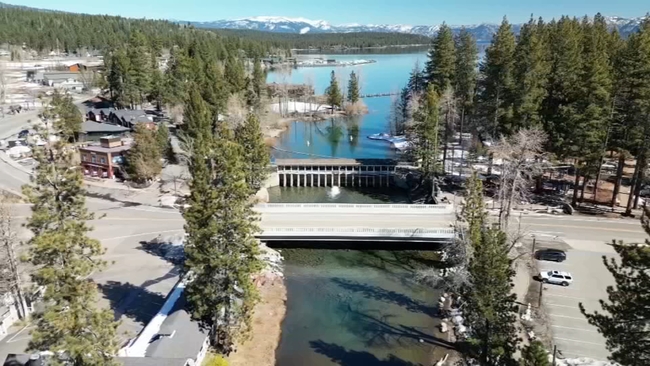
LAKE TAHOE, Calif. (KGO) -- The heat wave is spelling trouble for Tahoe, already short on snow and about to see more of it melt away.
It could be a problem for wildfire risk and drought later in the year, and for Tahoe businesses that could see ski season end early.
California's water infrastructure and management rely on snowpack lasting much later into the season. Officials on Monday said that snowpack is melting at 1% per day, and if this trend continues, the April 1st snowpack measurement in two weeks could be the 2nd lowest in history.
"Get up there and get it now, because we don't know how much longer it's gonna last, and it's definitely going away fast, the snow," said skier Tim Maresca.
RELATED: 'Concerning': Bay Area sizzles in March heat wave, bringing fire danger and AC issues
Despite warmer conditions in the Lake Tahoe region, Maresca skied Monday for his 70th day of 2026. He aims for a hundred days a year on the slopes but says that may not happen this year.
"A source at the mountain said 3 to 4 inches a day we're losing up there, and we're losing it fast," said Maresca.
Temperatures this week are expected to rise.
Patrick Maloney left Danville for Tahoe last week. He skied Thursday, snowboarded Friday, and snowmobiled Saturday, saying he did come across dirt spots here and there.
"My experience going up there, this was like, a late-April look to it, very much so. It was great for our trip, because we walked into any restaurant, we walked into any bar, there was never a wait for anything," said Maloney.
Yes, business has been slow there and here in the Bay too.
"This season was a little rough, actually. It started out really slow; we didn't get snow till late," said Greg Winkels of California Ski Company in Berkeley.
RELATED: Lake Tahoe tourism slows as unusual winter brings low snowpack and fewer visitors
But while Winkels says boot bookings and other services were down, they were busy during ski week with their regulars, and they still plan to move to a bigger location next door in the coming months.
As for the weather patterns, Stanford professor and climate scientist Noah Diffenbaugh points to global warming.
"You know, when snow does fall, it's more likely to melt earlier," Diffenbaugh said.
Diffenbaugh says that leads to less snowpack later in the year.
"That really increases the risk, not only for recreation in terms of the ski industry, but also we have clear evidence that that increases wildfire risk, it puts stress on ecosystems," he said.
Those wildfire and heat wave risks often seen in hotter months, but the season isn't over quite yet so the die-hards are still out on the slopes.
"We're gonna be out there for sure!" Maresca said.
Those from the Department of Water Resources say they will conduct mid-month snow surveys in several watersheds over the next two months. They'll also be flying above some areas with the hope that they can work to capture and store as much water for the dry summer months.