Starship, world's most powerful spacecraft, to launch in attempt to orbit Earth for first time


The world's largest and most powerful spacecraft is poised to make history for SpaceX if all goes according to plan on Monday morning.
Starship will launch from SpaceX's Starbase in Cameron County, Texas, in the company's first attempt to orbit Earth, with the spacecraft flying more than 170 miles above our planet.
This will also be the first time the company will attempt to use Starship to put Starlink satellites into orbit. According to SpaceX, a total of 26 Starlinks will be added to the growing constellation of internet satellites that are already in orbit.
In an update, officials said the Starship flight test 14 launch was delayed by 31 minutes. The new target time is 8:46 a.m. ET/7:46 a.m. CT. The SpaceX stream now begins at 8:08 a.m. ET/7:08 a.m. CT.
The mission is expected to last 10 hours, with an estimated six orbits around the Earth.
What to expect during test flight 14
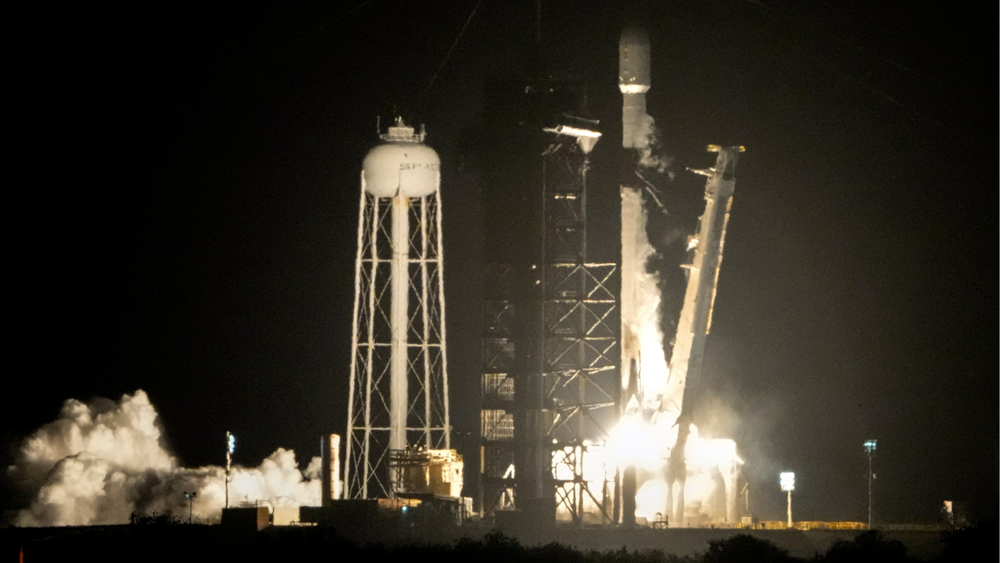
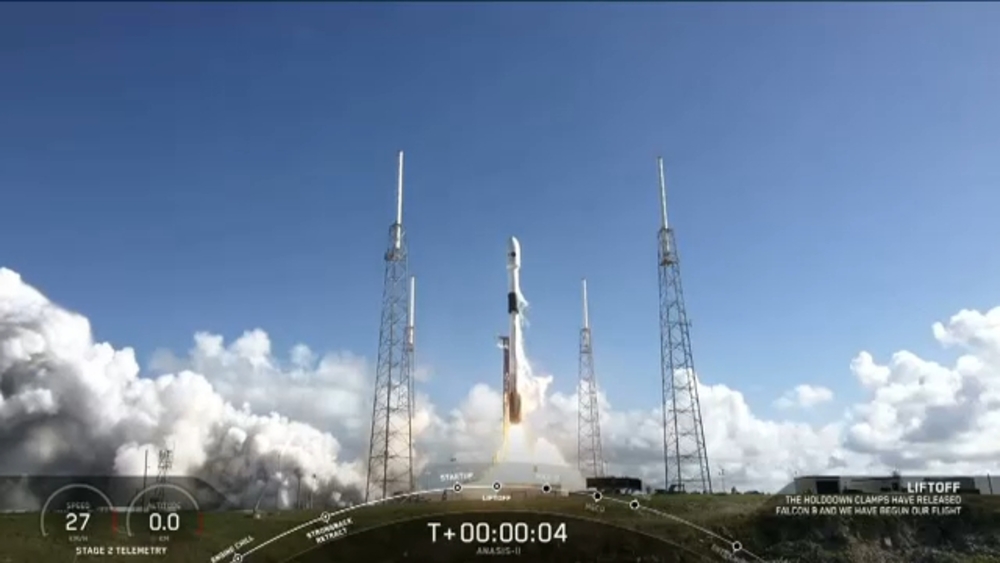
The mission will start similarly to previous Starship flights, with the spacecraft lifting off Starbase atop the Super Heavy booster.
The booster will separate from Starship, perform a burn to return to Earth, and land in the Gulf.
If all goes according to plan, Starship will continue on a trajectory the company has used for previous missions in order to get orbit-ready.
About 25 minutes into the mission, Starship will fire one of its Raptor sea-level engines and perform a burn that will help it orbit around the Earth for the first time.
SpaceX said that during the launch out of Earth's atmosphere and the pre-orbit burn, measures are in place to bring Starship back to Earth if problems arise.
About 34 minutes into the mission, Starship is poised to deploy the Starlink satellites for the first time, placing them into orbit for ongoing use. If all goes as planned, this will be the first income-generating mission for Starship.
At the end of the mission, a de-orbit burn using another Raptor engine will help Starship splashdown in the Pacific Ocean, west of Chile. The company said that if the flight ends early because of a technical or mechanical issue, the splashdown location could change.
Because Starship is not designed to land in cold ocean water, SpaceX said that an explosion during splashdown may take place, and that would not be an indication of an unsuccessful mission.