Wisconsin Planned Parenthood pauses abortions amid federal Medicaid funding cut


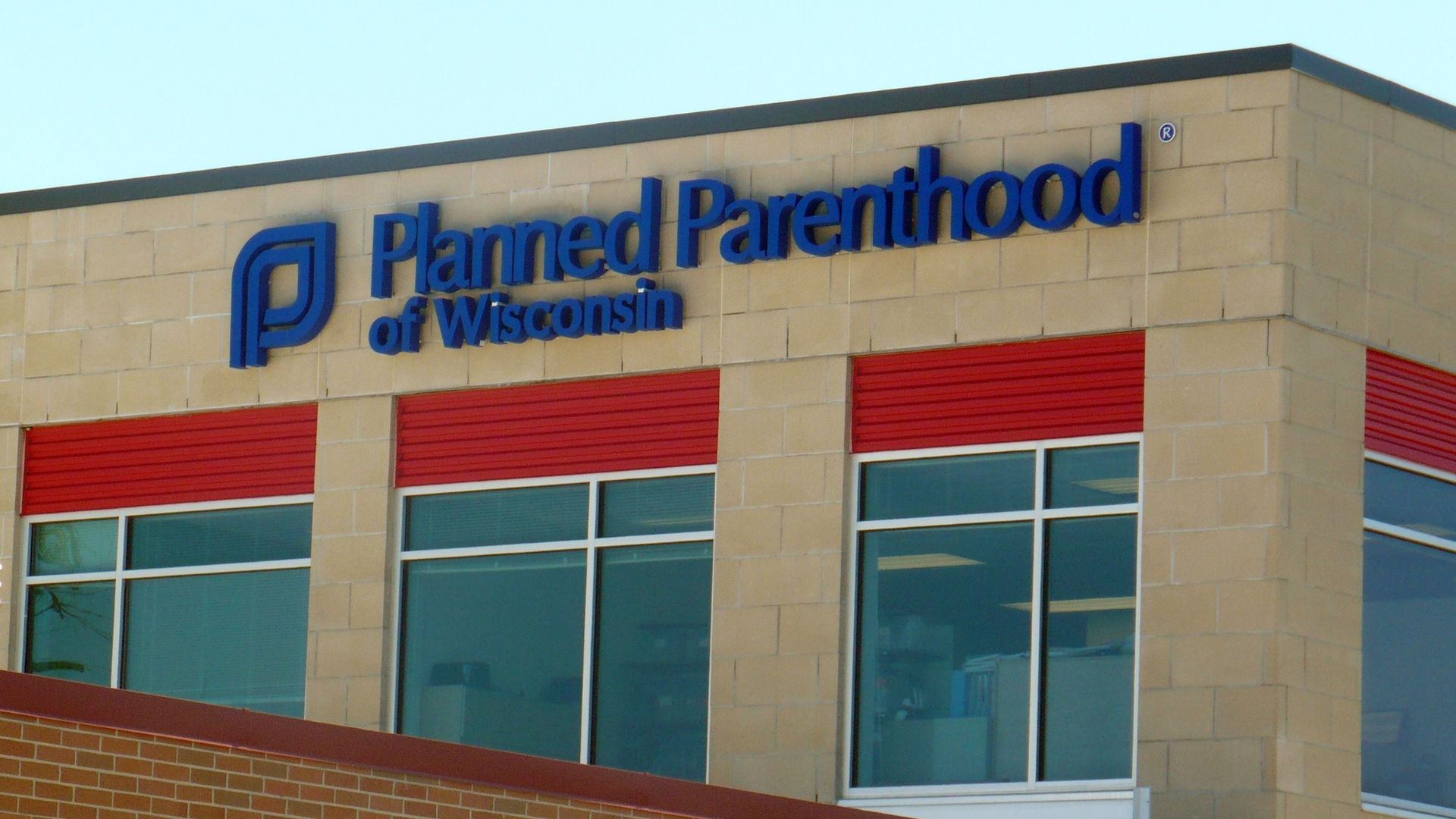
MADISON, Wis. -- Planned Parenthood of Wisconsin will stop scheduling patients for abortions starting next week as it works to find a way to provide the service in the face of Medicaid funding cuts in President Donald Trump's tax and spending bill, the nonprofit said Thursday.
Abortion funding across the U.S. has been under siege, particularly Planned Parenthood affiliates, which are the biggest provider.
The organization warned earlier this year that about half its clinics that provide abortion could be closed as a result of a ban on Medicaid funding for Planned Parenthood for services other than abortion.
The measure was part of the tax and spending law President Donald Trump signed in July. Initially, a judge said reimbursements must continue, but a federal appeals court this month said the government could halt the payments while a court challenge to the provision moves ahead.
Planned Parenthood services include cancer screenings and sexually transmitted infection testing and treatment. Federal Medicaid money was already not paying for abortion, but affiliates relied on Medicaid to stay afloat.
The remaining Planned Parenthood clinics in Louisiana - where abortion is banned - are scheduled to shut down at the end of this month.
Planned Parenthood of Wisconsin said in a statement that it is trying to see as many patients as possible between now and Tuesday. The federal law takes effect Wednesday. It is not scheduling patients beyond that date and the organization believes the move will allow it to continue seeing other Medicaid patients. The organization said it was working with providers across the state to make sure patients are referred quickly and receive timely care.
It is also considering taking legal action, the group said.
"Planned Parenthood of Wisconsin will continue to provide the full spectrum of reproductive health care, including abortion, as soon and as we are able to," Planned Parenthood of Wisconsin President and CEO Tanya Atkinson said in the statement. "In the meantime, we are pursuing every available option through the courts, through operations, and civic engagement."
The abortion landscape has been shifting frequently since the U.S. Supreme Court ruling in 2022 that allowed states to ban abortion. Currently, 12 states do not allow it at any stage of pregnancy, with limited exceptions, and four more ban it after about six weeks' gestation.
The bans have resulted in more women traveling for abortion and an increased reliance on abortion pills. Prescribers in states where they're allowed have been shipping the pills to places where abortion is banned, a practice that is facing some legal challenges and is expected to attract more.
The Wisconsin Supreme Court in July struck down the state's 1849 near-total ban on abortion, saying it was superseded by newer state laws regulating the procedure. The same day it ruled in that case, the court dismissed a lawsuit filed by Planned Parenthood of Wisconsin asking it to find the law unconstitutional.
Wisconsin's abortion ban was in effect until 1973, when the U.S. Supreme Court's landmark Roe v. Wade decision legalizing abortion nationwide nullified it. Legislators never officially repealed it, however, and conservatives argued that the U.S. Supreme Court's ruling that overturned Roe reactivated it.
Planned Parenthood of Wisconsin stopped providing abortions after that ruling for 15 months before resuming them as the lawsuit over the state law played out. It has been providing abortions at three clinics in Wisconsin for the past two years.
Planned Parenthood of Wisconsin serves about 50,000 people across the state. About 60% of them are covered by Medicaid, the organization said.
In 2024, Illinois clinicians provided approximately 92,710 abortions, down slightly (less than 1%) from 93,590 in 2023, according to data from the Guttmacher Institute.
From January to May 2025, Illinois clinicians performed approximately 37,400 abortions, down from 40,920 abortions for the same time period in 2024.
In 2024, approximately 36,670 patients from out of state sought treatment in Illinois (40% of all patients), including approximately 3,530 patients from Wisconsin.
The call center at Family Planning Associates in Chicago expects more out-of-state callers seeking information about reproductive care in the coming days.
Already, 35% percent of their patients are from out of state.
SEE ALSO: RFK Jr. launches FDA review of abortion pill
On Thursday, FPA's chief medical officer stood with others reacting to Planned Parenthood of Wisconsin's decision.
"We are prepared and will continue to meet the needs of anyone coming from out-of-state or down the block," Dr. Allison Cowett said.
"We've made it very clear to Wisconsin that Illinois is ready and will accept the challenge," said Adrienne White-Faines, president and CEO of Planned Parenthood of Illinois.
White-Faines says her organization is already seeing the effects of federal cuts but have no plans to reduce services or staff.
"We are aggressively moving forward to find ways to fill the gaps. We are fortunate that we have some reserves, and we are also working with the donor community," White-Faines said.
"At the federal level, we have an administration that seeks to continue reversing course on women's health and reproductive rights. This is a dangerous and disturbing policy that puts the health of all women at risk," Cook County, Illinois Board President Toni Preckwinkle said.
Megan Jeyifo is the executive director of the Chicago Abortion Fund, and she is originally from Wisconsin.
"In the 90s, abortion was much more accessible in Wisconsin than it is now," Jeyifo said.
The working mom of two shared that access to abortion care when she was a teenager allowed her options and opportunities in life.
"I navigated getting an abortion largely alone when I was 16, and that really drives much of the work I have the privilege to do today. I don't believe anyone should be alone, should be scrambling for resources," Jeyifo said.
Mulvihill reported from Cherry Hill, New Jersey.
ABC7 Chicago's data team and Leah Hope contributed to this report.