Breast cancer by the numbers: What to know about diagnoses, survival rates
A look at diagnoses, survival and where disparities persist.
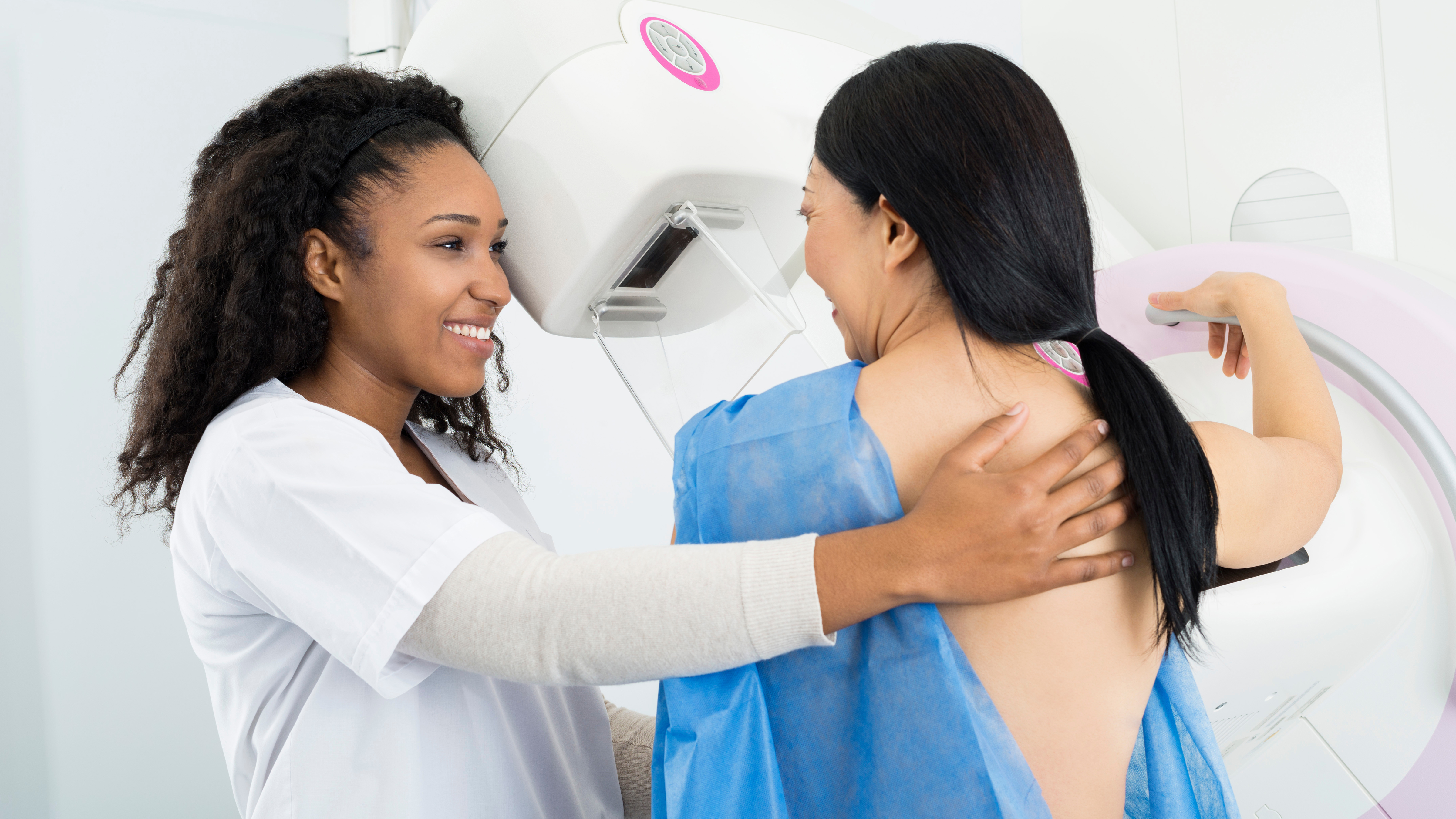

Oct. 1 marks the beginning of Breast Cancer Awareness Month, putting a spotlight on the second most common cancer diagnosed among women.
Although the rates of women diagnosed with breast cancer have increased, death rates have been declining and five-year survival rates have risen.
It's not just women; men are also diagnosed with the disease. Additionally, disparitiespersist among races and ethnicities.
Here's what you need to know about breast cancer by the numbers.
Diagnosis rates
Breast canceris the mostfrequentlydiagnosed cancer among women in the United States,aside from skin cancer,withmore than320,000 new invasive casesexpected each year,according tothe AmericanCancer Society (ACS).
Breast cancer diagnoseshaverisenwith a1% increase per year in recent years,ACS says.
"Breast cancer is one of the most common cancers in women, but most women diagnosed with breast cancer do very well and outcomes have improved tremendously over the years,"Hannah Rose Naughton, breast surgical oncologist at Hackensack Meridian Health, told ABC News.
Breast cancer accounts forroughlyone in everythree new cancers diagnosed in women each year and is the second leading cause of cancer death among women in the U.S., behindlungcancer, according to theACS.
"The earlier we find the cancer, the better the outcome for the patient," Naughton said.
Whilebreast cancer affectswomenfar more often,the disease can also occur in men.
"One percent of breast cancer cases occur in men; it'sextremely rare," Priya Thomas, breastoncologist at the University of Texas MD Anderson Cancer Center, told ABC News.
Declining death rates
The breast cancer death rate among U.S. womendecreased by 44% from 1989 to 2024, preventing an estimated 500,000 to 517,900 deaths,accordingtoACS.
"The decrease in breast cancer death rates is probably a combination of our screening advances, as well as advances in the treatments that we have for different subtypes of breast cancer," Thomas said. "Artificial intelligence is also being investigated and possibly can also increase sensitivity and detection."
Improving survival rates
Top Stories



In the late 1970s, the five-year relative survival rate for women with invasive breast cancer -- which compares how many patients are alive five years after diagnosis with people of thesame age whodon'thave cancer -- was roughly 75%.
As of 2022,itisabove 90%,according to the National Cancer Institute(NCI).The increase reflects major advances in screeningandearlierdiagnosis.
Where breast cancers are found
Stage at diagnosisremainsone of the biggest predictors of outcome.
Most breast cancers are discovered before they have spread toother parts of the body,according to theNCI.
About64%of cases are diagnosed at a localized stage, meaning the cancer has not spread beyond the breast.About27%havespread to nearbylymph nodesor tissue, and about6% are diagnosed after the cancer has spread to distant parts of the body. About2%have an unknown stage.
"If you feel a lump, if you notice a skin change, if you notice nipple discharge or any change that is different from your normal baseline, that warrants an evaluation by your provider," Thomassaid.
Persisting disparities
The burden of breast cancer is not shared equally.
"Black women are more likely to develop triple-negative breast cancer, which can be a more aggressive subtype, and unfortunately they do have a higher breast cancer mortality rate," Naughtonsaid.
As with many other diseases,therisk of breast cancer increases with age. The average age at breast cancer diagnosis in women is 63,according to the NCI.
Inmen, theACS reportsthe average age at diagnosis is between60 and 70.Although for bothwomen and men, the disease can occur atvirtually anyage, and diagnosisat a younger ageis linked to increased mortality.
"I know that recently some of the guidelines, depending on where you're looking, have changed and may recommend mammograms every one to two years, but I still recommend yearly mammograms starting at age 40 for women at average risk," Naughton said.
Beyond regular screening, experts say being aware of changes in your body is important.
"The most important message is that you shouldn't ignore a change in your breast," Naughton said.
Dr. Tara Howard is a fourth-year dermatology resident and a member of theABC News Medical Unit.