CA governor-elect Becerra's 'power hour' proposal faces questions over costs, potential savings


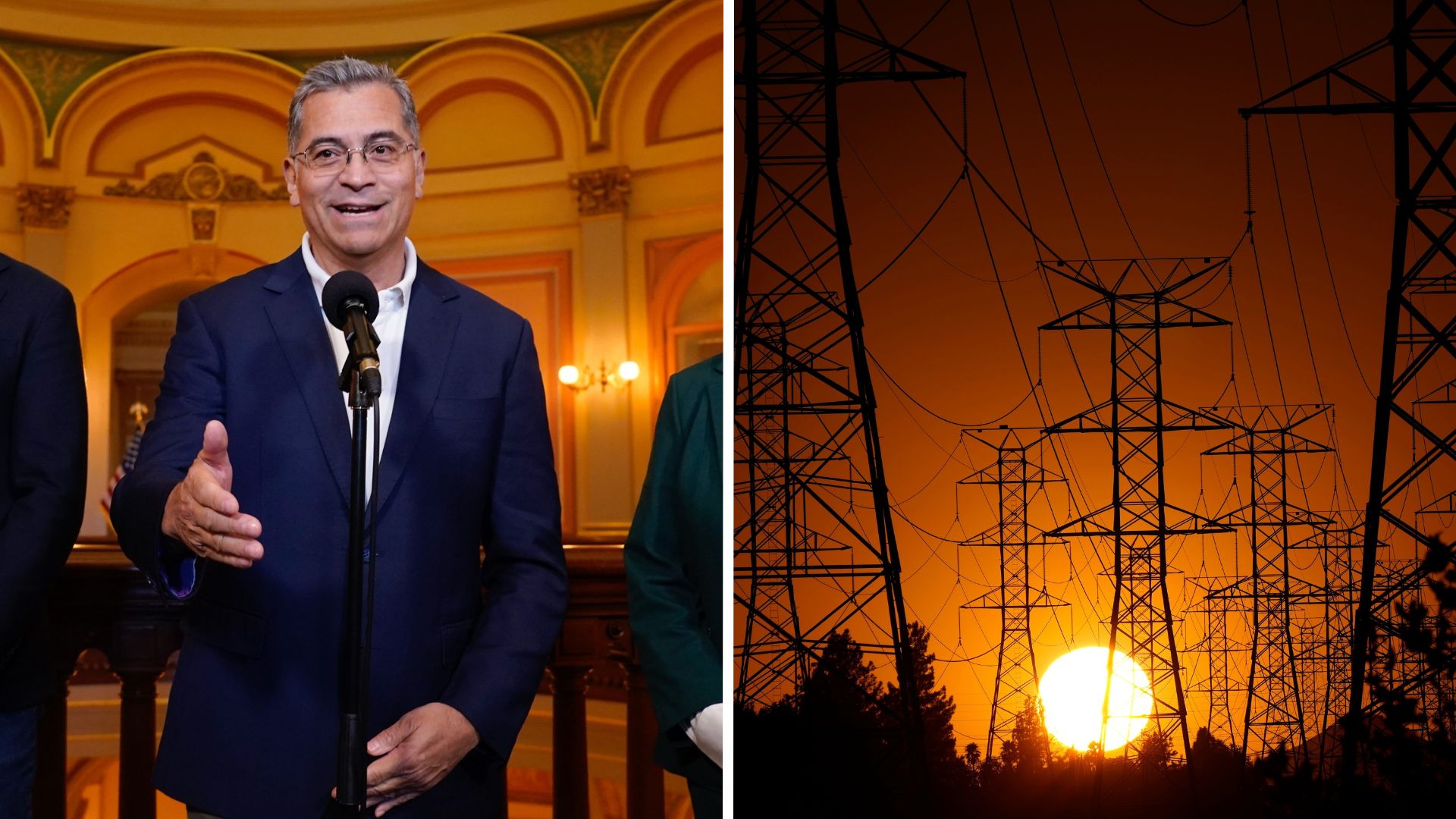
SAN FRANCISCO (KGO)-- California Governor-elect Xavier Becerra campaigned on a proposal to give some working families two hours of free electricity each day. But with his election victory behind him, questions remain about how much the plan would save customers, who would pay for it and whether state lawmakers will support it.
Becerra introduced the proposal, dubbed "Power Hour," in August as part of his broader plan to address California's high cost of living.
RELATED: CA governor candidate Xavier Becerra proposes free 'power hour' electricity plan
"Use your electricity during those two hours, and you won't pay a dime," Becerra said during a Sacramento POLITICO policy summit at the time.
The idea is to encourage customers to use electricity during mid-afternoon hours when solar energy is abundant and electricity is cheaper to produce, rather than during more expensive evening hours.
"Today we produce so much solar energy, electricity, that oftentimes in the afternoon we can't make use of all of it," Becerra said in August. "And so essentially goes to waste."
But whether the proposal becomes reality remains uncertain.
Following a meeting Thursday with Assembly Speaker Robert Rivas and Senate President pro Tempore Monique Limón, ABC7 asked Becerra whether the three Democratic leaders were aligned on the plan.
"I'm interested to hear what they say on power hour," Becerra responded, gesturing toLimón and Rivas.
Neither legislative leader committed to supporting the proposal.
"I think that there's an appetite to consider, to explore and advance both short-term and long-term exploration about energy sustainability," Limón said.
Rivas also said he was open to discussing the idea but needed more information.
"Could there be some alignment on this idea of a power hour? Possibly," Rivas said. "But specific to this proposal, I don't know enough about it."
How much would Californians actually save?
Energy experts say the proposal could provide some relief, but its impact on California's notoriously high electricity bills would likely be limited.
Top Stories
Severin Borenstein, faculty director of the UC Berkeley Haas Energy Institute, said the cost of producing electricity represents only one portion of what customers pay.
"The price we actually pay is paying for a lot of other things other than the low cost of producing electricity during those hours," Borenstein said.
While electricity may be relatively inexpensive to generate during peak solar production, utility bills also cover infrastructure, wildfire-related expenses and other costs.
Borenstein estimates a typical household would be unlikely to save more than $200 annually under the proposal.
"It's such a small step," he said. "It would only affect some customers. It would only be relevant for a couple hours a day, and it just wouldn't change bills very much."
He said the larger challenge facing California is the rising cost of maintaining its electric grid, particularly expenses associated with wildfire prevention and liability, along with other state policies.
Those costs have accumulated over years and would be difficult to substantially reduce in the near term.
"Unfortunately, there is no quick fix in the short run other than shifting some of these costs onto other revenue sources," Borenstein said. "And the most likely one is the state budget, paid primarily through income taxes."
Becerra has not outlined a detailed funding plan or provided a price tag for power hour.
The governor-elect has also cautioned that he is not prepared to make firm spending proposals until he has a clearer picture of California's finances.
"I can't make a commitment without knowing what exactly I face," Becerra told reporters Thursday.
Becerra has pledged to make affordability a top priority when he takes office in January, with energy costs among the financial pressures facing California households.
But turning power hour into policy would require working through questions about funding, eligibility and implementation, along with securing support from state lawmakers.
And according to Borenstein, addressing California's broader utility affordability problem will require far more than two hours of free electricity.