Footage from NBC4 helicopter before crash in LA 'most important evidence' for NTSB, agency says
Three people, including an NBC4 reporter and pilot, died in the crash.

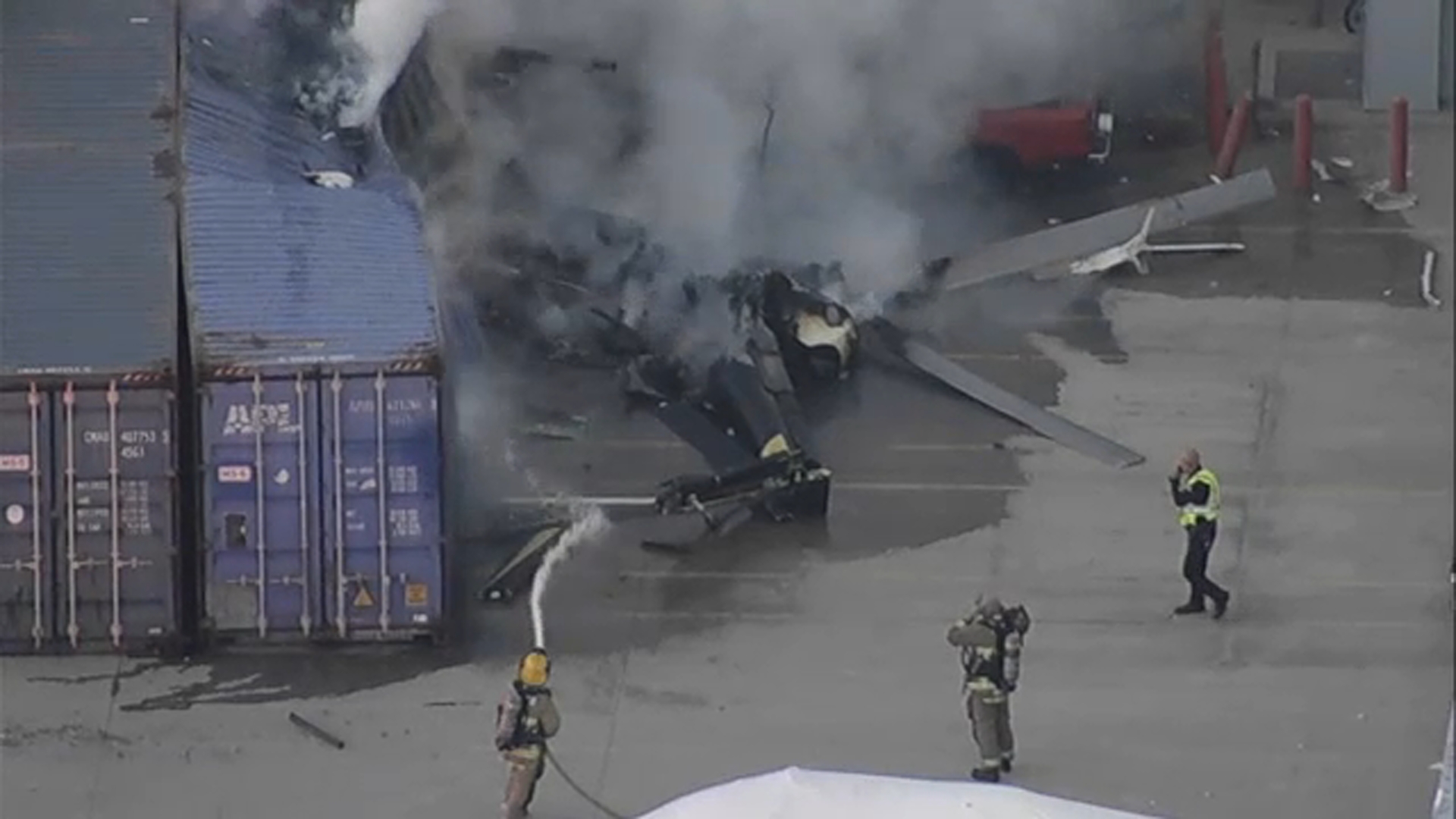
LOS ANGELES -- The video from aboard the NBC4 helicopter before the deadly crash in Chatsworth, Los Angeles will be the "most important evidence" for the National Transportation Safety Board to analyze in order to piece together probable cause of the accident, the agency said.
"The video that was actually taken while the reporter was doing live coverage, that video is probably the most important evidence that we have discovered so far," said Fabian Salazar, NTSB Investigator in Charge, at a Wednesday afternoon press conference.
Salazar said the NTSB will work toward obtaining a "pristine copy" of that recording and send it to the agency's lab for a sound spectrum analysis.
"In that recording, we are clearly hearing sounds that are consistent with the engine changing its speed, and we're also hearing tones that are being generated that are likely advisories to the pilot, so it's important that we get those that recording to our lab, so that they can be downloaded and and we can get to that factual evidence that way," he said.
Salazar said the NTSB's plan of action is to gather as much data from the wreckage scene as possible and conduct witness interviews. He urged the public to reach out the agency if they have any relevant information about the incident. The email provided was witness@ntsb.gov.
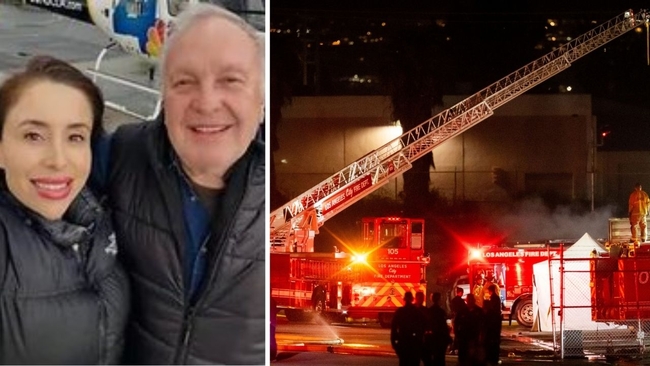
He added that after that portion is concluded, the helicopter will be removed to a secure facility to the agency can continue its examination to try and pull any additional data from the wreckage. The helicopter's maintenance logbooks and the weather will also be part of the investigation, he added.
Investigators will also work to obtain surveillance footage from buildings near the crash scene as part of their data collection, aiming to get a full picture of the sequence of events.
He also sketched out an approximate timeline of the investigation process, saying the preliminary report is expected to be completed in 30 days. The final report with probable cause, which can differ depending on the circumstances of the incident, may take up to 18 months, Salazar said.
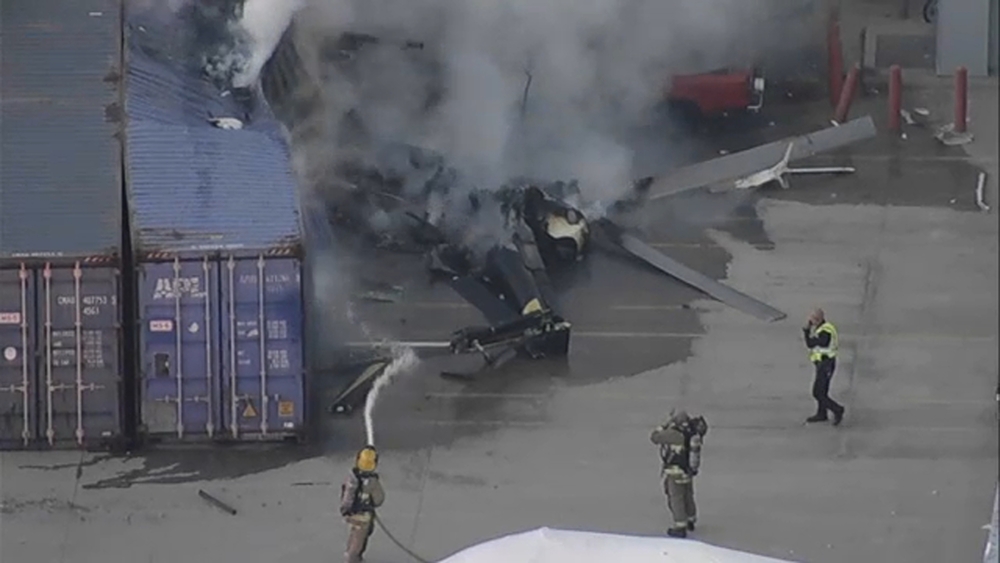
The helicopter crashed between two commercial buildings on Mason Avenue around 7 p.m. Tuesday. The crash occurred near the scene of a deadly traffic collision where an SUV slammed into the side of a Metro bus, killing two people just a short time prior to the helicopter crash.
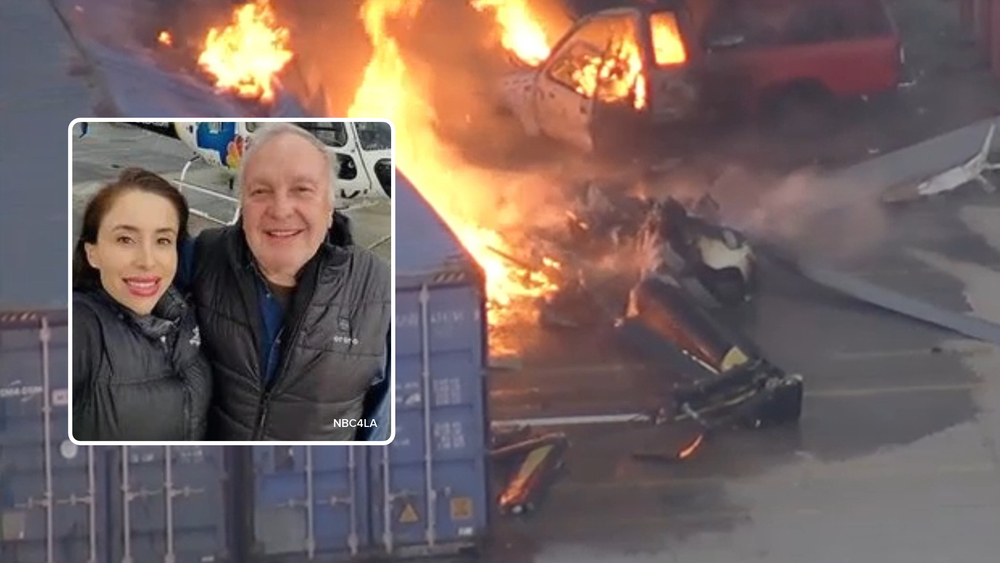
NBC4 later confirmed that the aircraft that crashed was the station's helicopter, and that reporter Eliana Moreno and pilot George Marciniw died as a result.
An LAFD spokesperson said a third person who was on the ground also died. Prior to the press conference on Wednesday, that third individual was identified.
The Los Angeles County medical examiner's office identified that victims as 29-year-old Edy Gutierrez Mejia.
In addition to the three people who died at the scene, one person nearby was taken to the hospital after suffering an apparent panic attack and another person was also hospitalized in unknown condition.
Expert talks about what may have caused the crash
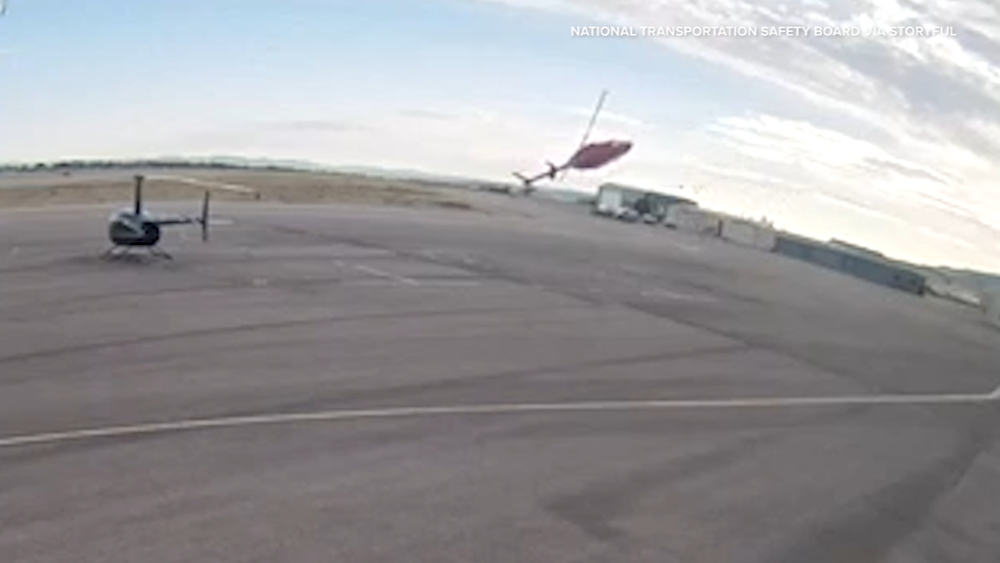
Aviation safety expert Jeff Guzzetti said the alarm sounding in the helicopter's final video sounds like the low rotor RPM warning horn that signals the main rotor is no longer spinning enough to keep the helicopter in the air.
"It just has all the earmarks of a potential loss of engine power and a dangerous decrease in the main rotor speed," said Guzzetti who used to investigate crashes for both the NTSB and FAA.
Guzzetti said the pilot appeared to be trying to perform an emergency maneuver to use the wind to force the rotor to spin again much like a breeze turns a windmill. Doing that can create a bit of lift that could help cushion the impact, but Guzzetti said there would have been little opportunity to do that because the helicopter had been hovering at a low altitude beforehand.
There are risks to news helicopters particularly in a major city like Los Angeles where multiple helicopters respond to an incident, but the pilots all coordinate closely over the radio to ensure they maintain a safe distance from each other. The industry also shares best practices to help keep these news flights safe.
"It's a very unique form of flying. And the community is very good about lessons learned," Guzzetti said. "And so because of that, you don't hear about too many of those accidents. So they're rare, but they do occur, just because the mission is a risky one."
Other crashes involving news helicopters
The station said this is the second aviation tragedy in its history.
In 1977, a KNBC news helicopter crashed when it ran out of fuel while returning to the station after covering a wildfire in Santa Barbara, killing the pilot and camera operator. The pilot, former U.S. Air Force officer Francis Gary Powers, had been in the news years earlier when he was shot down and captured while flying a U-2 spy plane over the Soviet Union for the CIA, an ordeal portrayed in the movie "Bridge of Spies."
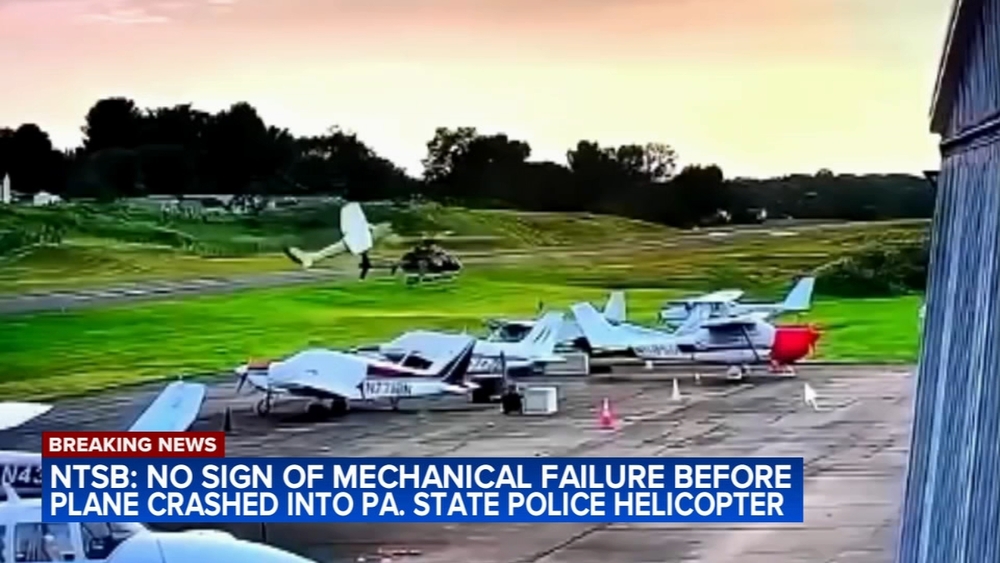
There have been at least eight fatal crashes involving news helicopters in the U.S. since 2000, killing 16 people, according to a review of federal accident records and news accounts. They include a 2023 crash in a New Jersey forest that killed the pilot and a photographer aboard a helicopter used by Philadelphia station WPVI and a 2022 crash beside a Charlotte, North Carolina, interstate that killed a pilot and meteorologist during a training flight for WBTV.
The Associated Press contributed to this report.