Former US Marine held in Russia for more than 4 years on disputed charges has been released
Gilman's release came amid concerns about his health.


Russia has released an American military veteran who spent more than four years in prison on disputed charges under abusive conditions and was said to be gravely ill and at risk of dying, a group advocating for him said Tuesday.
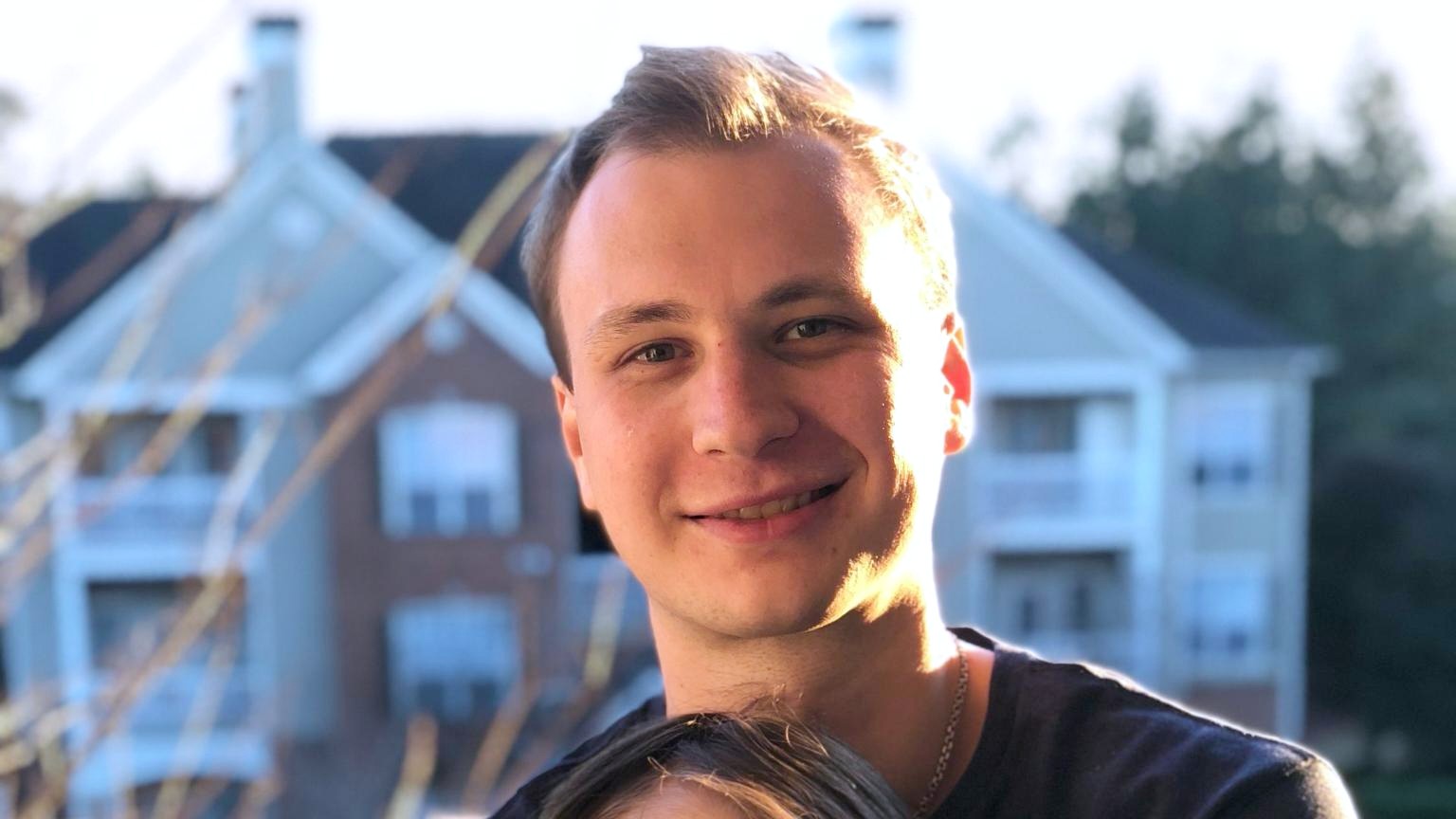
Robert Gilman was on his way to a U.S. military hospital in Texas, where he will be medically and psychologically assessed and treated, said Eric Lebson, chief strategy officer of Global Reach, a group that's been working to free him andother American detainees abroad. Gilman's family has flown to Texas to be with him, including his mother, who was in Russia attempting to see him at a hospital.
President Donald Trump, however, posted on social media that Gilman will arrive at Andrews Air Force Base in Maryland outside of Washington on Tuesday evening.
"I just spoke to him, and he had one request - A GREAT cheeseburger when he lands," Trump wrote. "I will take care of that!"
Trump said he spoke with Russian President Vladimir Putin before Gilman's release, which Trump said was "very much on a Humanitarian Basis."
"We appreciate this decision, and the fact that Russia asked for no one in return - No exchange took place," Trump said.
Gilman had his prison sentence extended three times
Gilman, a 32-year-old teacher detained since 2022, was initially handed a 3 1/2-year sentence when he was convicted of beating a police officer after being taken off a train for causing a disturbance. He later was convicted of attacking a prison inspector during a cell check, beating an investigator and assaulting a guard, and he was sentenced in October 2024 to eight years and one month.His sentence was extendedlast year to 10 years after he was found guilty of assaulting prison guards.
Gilman's father has disputed the charges against him.
Gilman's sister, Lexie Hudson, credited Trump and U.S. Sen. Ed Markey of Massachusetts with bringing about the former Marine's release.
"There is no other reason that Robert is alive today other than that President Trump heard about the case and took action," said Hudson, who thanked Markey "for leading our advocacy efforts in Congress."
"The Russians treated my brother so badly," Hudson said. "They hurt him for no reason, other than that he was both an American and a Marine. What did they get out of this? Why did they do this to such a wonderful person?"
Russia's Federal Penitentiary Service did not respond to a request for comment on Gilman's health deteriorating behind bars.
Arrests of Americans have become increasingly common in Russia in recent years. Concern has risen that Russia could be targeting U.S. nationals for arrest to use later as bargaining chips in talks to bring back Russians convicted of crimes in the U.S. and Europe.
The State Department also said Gilman, who had been determined recently to have been wrongfully detained, was released on humanitarian grounds and "was not part of an exchange, and no other concessions were provided."
"This as a welcome step that we hope leads to the release of Americans unjustly held in Russia, such as wrongful detainee Stephen Hubbard," it said.
During Gilman's December 2025 trial in the southwestern city of Voronezh, where he was found guilty of beating two prison guards and had his term extended to 10 years, Russian media reported that he pleaded guilty to the charges and apologized to the guards he was charged with assaulting. The business daily Kommersant said he explained his actions by saying he wanted to stay in the prison where he was serving his sentence and avoid being moved to another penitentiary.
Gilman was hospitalized before his release
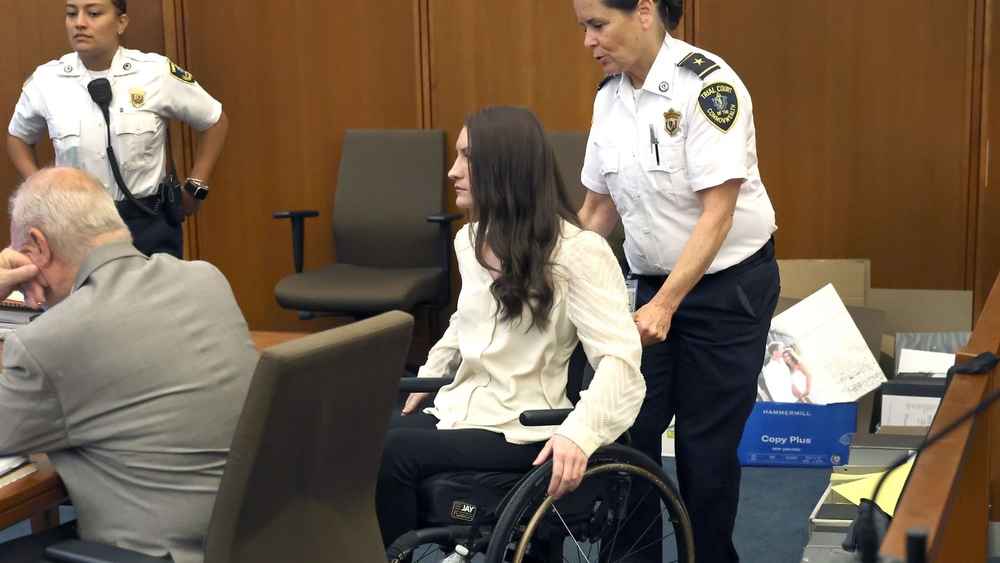
Gilman's lawyer Irina Brazhnikova told the Russian news agency Interfax on Friday that Gilman was in a psychiatric ward of a civilian hospital, where he's been since early July.
He was there "due to a psychiatric condition," and according to doctors, his condition has worsened, but neither his defense lawyers, nor his family were allowed to visit, she said.
Before Gilman was flown out of Russia, he had been in "a dissociative stupor" for 47 days due to the abuse he had suffered in prison, Lebson said. After he was moved to the hospital, he was hooked up to a feeding tube and handcuffed to a bed.
Hospital reports conveyed Gilman's condition "as dire and life-threatening," pushing the U.S. government into action and leading to his release, Lebson said.
Markey had called on Russia and the U.S. to work together to get the Massachusetts resident released. Gilman was among at least eight Americans who remained in Russian custody after a series of high-profileprisoner exchangeswith the U.S. in recent years.
Markey blamed Russia for Gilman's poor health, saying his return to the U.S. was long overdue.
"It is a tragedy that it took Robert's near-death condition for his case to receive the attention that it required for his release to be negotiated," Markey said. "Throughout his detention, Robert was subjected to physical torture, forced medication, and provocations by Russian authorities. There is no doubt that his treatment by Russian authorities is the reason Robert is in this precarious state today."
The Associated Press was making efforts to get comment from Russian officials on Gilman's release.