Bay Area transit agencies are seeing ridership climb as gas prices rise, weather improves


SAN FRANCISCO (KGO) -- Bay Area transit agencies are seeing ridership climb, with some systems now getting close to pre-pandemic levels.
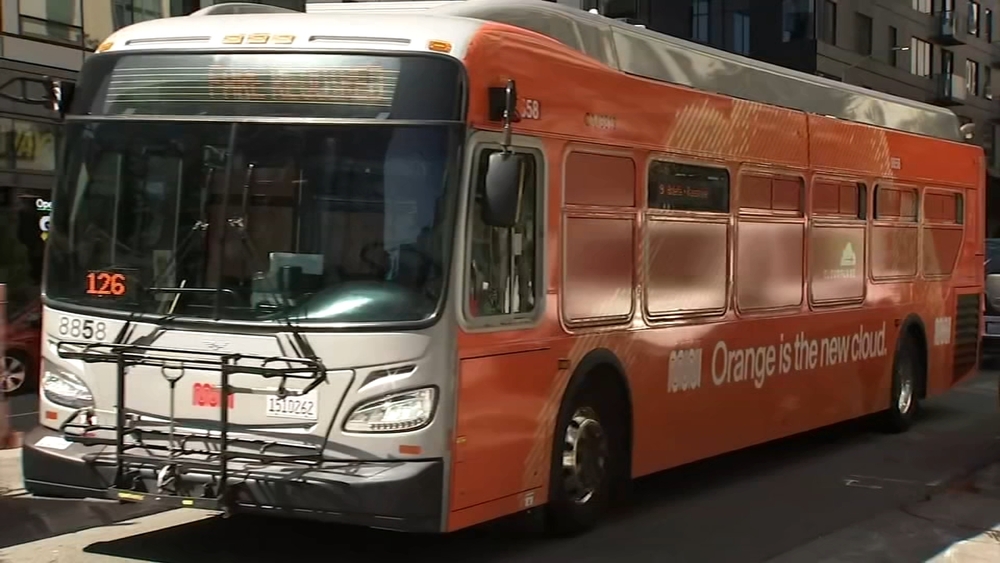
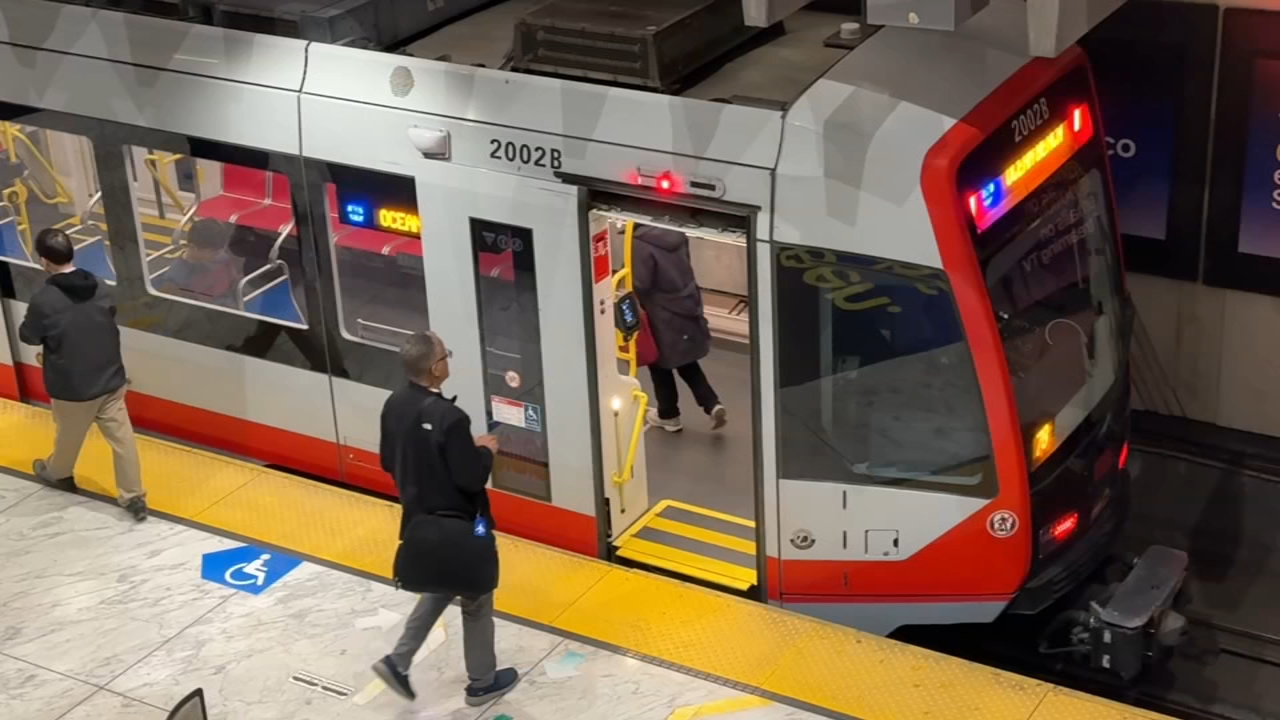
New figures from the San Francisco Municipal Transportation Agency (SFMTA) show Muni averaged 529,000 weekday boardings in March, up from 510,000 in February and 504,000 in January. The agency says that puts weekday ridership at 79% of March 2019 levels. Weekend ridership is even closer to a full recovery, at 99% of March 2019 levels. Overall, Muni recorded 14.9 million boardings in March.
"It's definitely exciting to see. It's something that we're proud of," SFMTA spokesperson Michael Roccaforte said.
Caltrain also posted another post-pandemic high. Caltrain says March brought another post-pandemic ridership record, after ridership jumps of 30% in February and 27% in January.
For riders like Cynthia Giovannini, the appeal is simple.
MORE: With threat of $7 gas - is it cheaper to drive or take Bay Area mass transit? Here's what we found
"It's stress-free, I can read on the train, catch up on work," she said.
BART is also reporting steady growth. BART says monthly ridership has been growing in the 10% to 13% range for the past six months.
Even with the rebound, all three systems remain below pre-pandemic levels. BART says its pre-pandemic average weekday ridership was about 410,000, meaning current weekday ridership is still around half of what it once was. Caltrain, by its own measure, is a little over 60% of its comparable pre-pandemic month, while Muni weekday ridership is at 79%, though weekend ridership is nearly fully recovered.
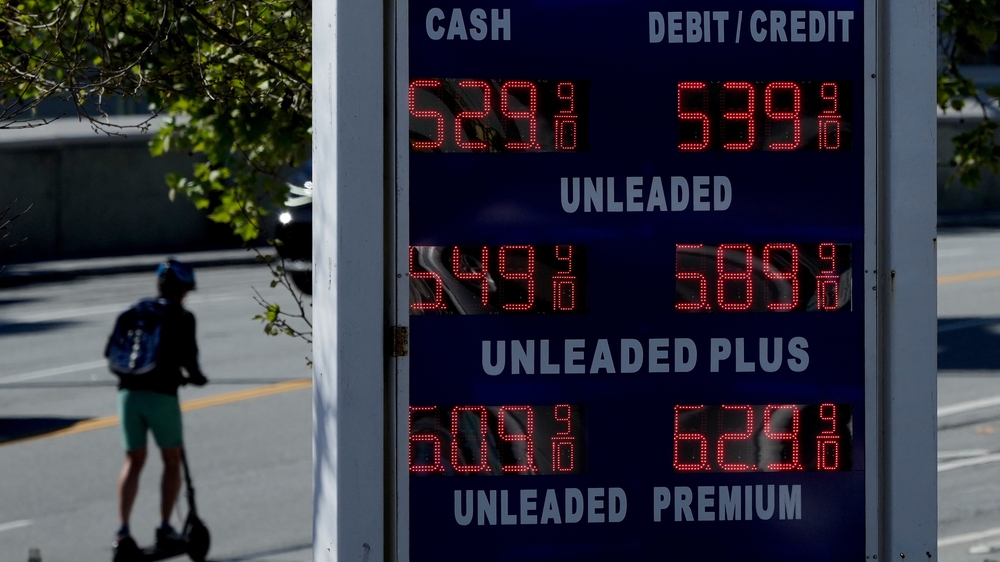
Transit officials and riders say gas prices may be part of the story, even if they are not the only reason.
"I think it's a combination of things. I think people are feeling the pinch from gas prices," Giovannini said.
MORE: Main reason for low BART ridership, financial issues released in new survey
Another rider, Camille Shakirova, said, "The environmental impact of driving cars and gas is extremely expensive, so I'm not surprised."
Caltrain spokesperson Dan Lieberman said the agency hopes riders who return now will keep using the service even if gas prices ease.
"If people are encouraged to get on board when things get a little more expensive, we have a feeling that even after prices go down, they're going to realize this is a better way to get where you need to go," Lieberman said.
Muni is also pointing to service improvements. The SFMTA says subway delays are down about 60% since the pandemic, bus breakdowns are happening less often and the agency recently received its highest customer satisfaction rating ever.
They say green energy is also a draw for riders.
MORE:Bay Area Transit Day offering free prizes to encourage ridership, tout services
"At Muni, we run the greenest fleet of any public transit agency in North America," Roccaforte said.
But rising ridership is not solving the region's budget crisis.
BART says it is facing a projected $376 million deficit in fiscal year 2027. The SFMTA says its current shortfall is about $307 million and could grow in the coming years. Caltrain says it is facing an average annual operating deficit of about $75 million beginning in fiscal year 2027.
"We're working really hard with our stakeholders and the community on what's really at stake to make sure these conversations keep going, while also making sure we're running great service," Roccaforte said.
Bay Area transit agencies are also looking ahead to two key funding questions in November. One is a proposed regional transit measure under the Connect Bay Area Act, which would ask voters in five counties to approve a 14-year sales tax to help support BART, Muni, Caltrain and other agencies.
MORE:What to know about Muni's budget deficit, efforts to save transit agency
In San Francisco, officials are also pursuing a separate local parcel tax aimed specifically at helping stabilize Muni.