Experts warn faster snowmelt could strain water supplies, urgency for storage solutions

SAN FRANCISCO (KGO) -- California's snowpack, long considered a natural form of drip irrigation for the state's rivers and waterways, is showing signs of melting faster and earlier than normal. Experts say a recent heat wave and the potential effects of long-term climate change are contributing to the shift.
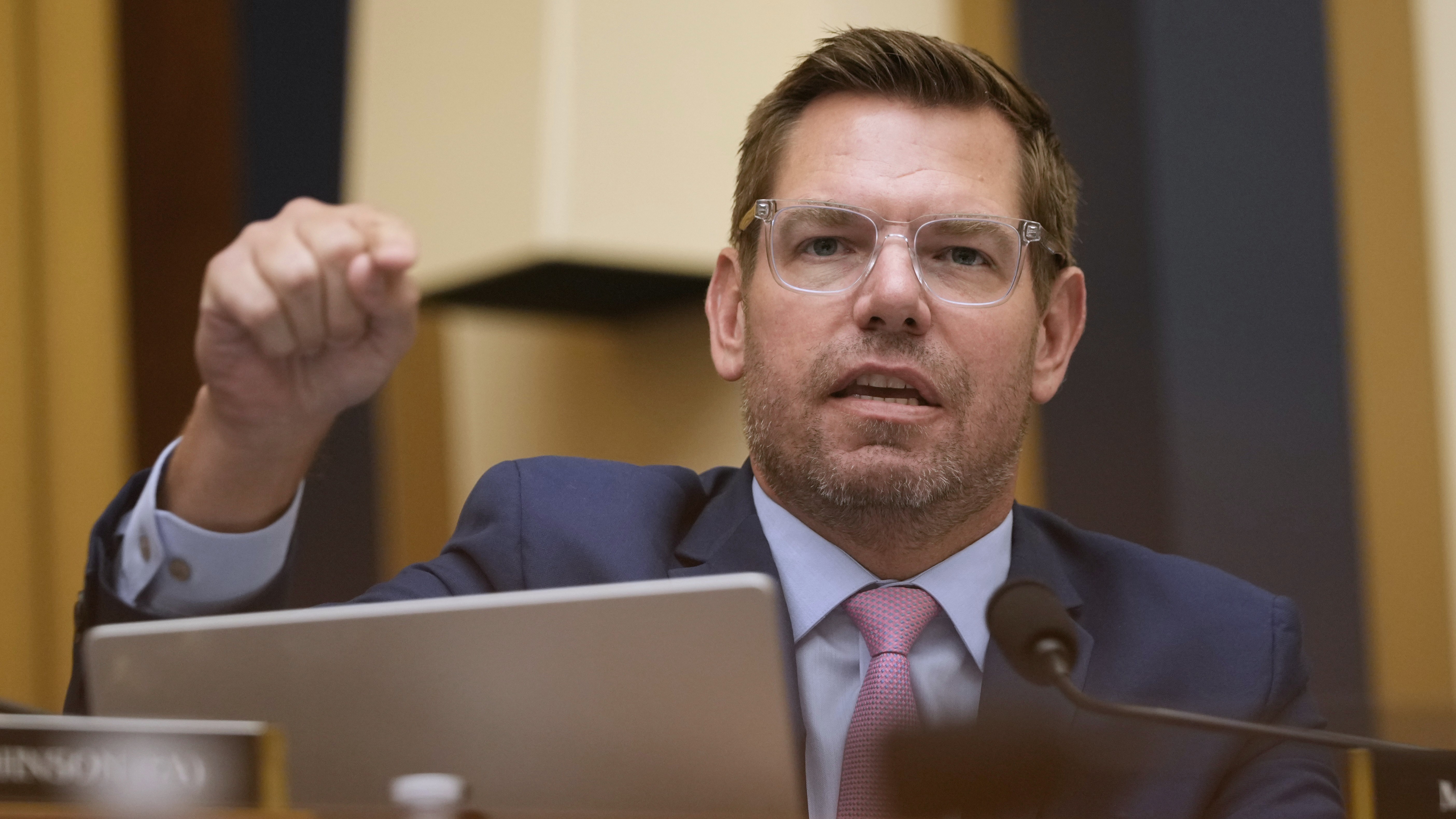
Steven Springhorn, supervising engineering geologist with the California Department of Water Resources, said the state has begun to see the impacts of increasingly extreme weather.
"And really, what we've been starting to see a glimpse of over the last decade with the different, extreme weather events we've had in California. And so, you know, we see these very extremes, shifts from all or nothing, right, where we have mostly dry conditions, but we have these big pulses of intense storms. And most of the time, especially this year, they've come in warm," Springhorn said.
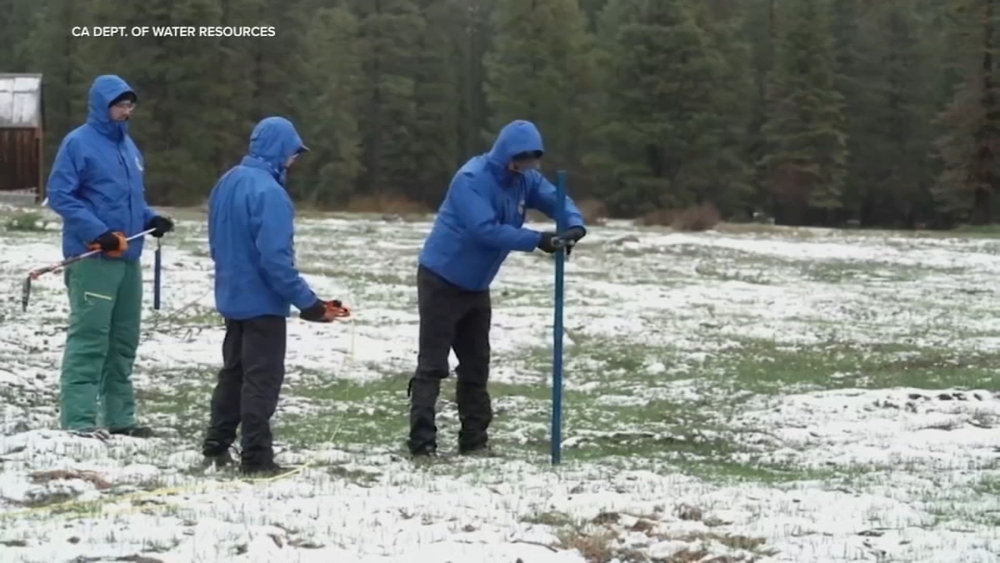
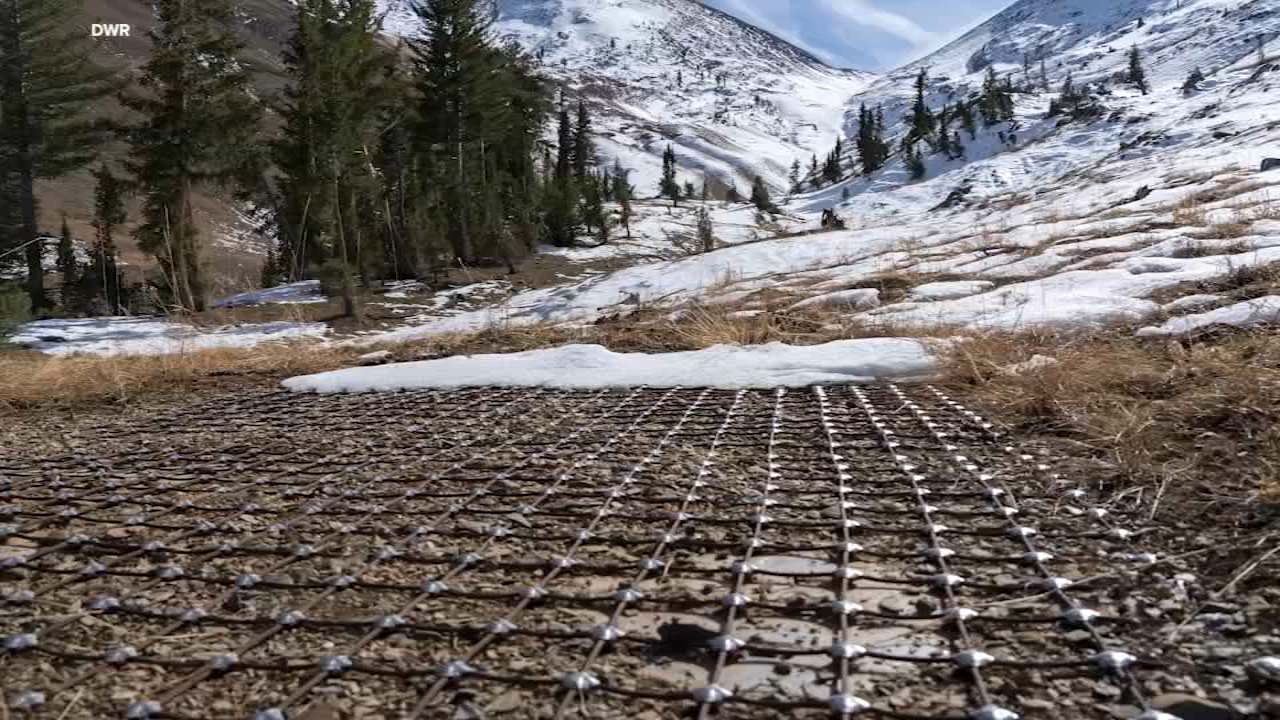
Experts say this year's snowpack reached its peak and began melting much earlier than usual. Water managers are working to measure how much runoff is coming by using devices known as snow pillows, which weigh the snowpack, along with aerial surveys and increased ground readings. The challenge, they say, is how to capture a faster-moving melt.
MORE: CA snowpack at 18% of historical average after record hot March melts snow early
"And I think that also puts the groundwater basins beneath our feet front and center. And this future that we're going to be going into is groundwater basins are, all over California, and they are the largest and lowest cost form of storage we've got in California. And there really are natural infrastructure that we're working hard with," Springhorn said.
In recent decades, water managers have expanded systems for groundwater recharge, diverting surplus flows into areas where water can seep into underground aquifers for later use. Researchers have also used airborne electromagnetic sensors to identify the best geological sites, including farm fields that can be intentionally flooded during heavy runoff.
"So we have 515 groundwater basins across the state. The storage capacity of those groundwater basins combined is 25 times the storage capacity of all of our surface reservoirs," Springhorn said.
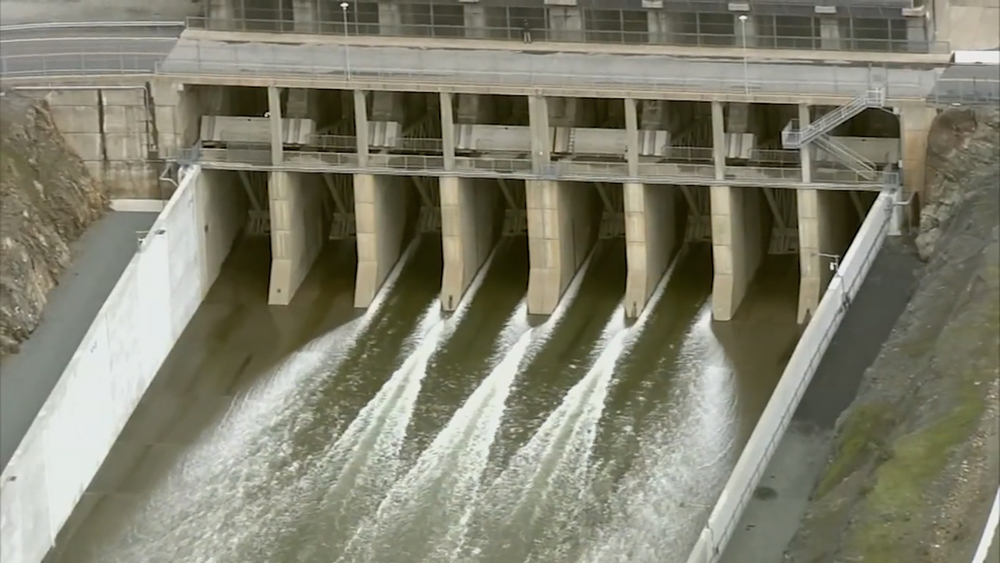
Jerry Brown, who leads the Sites Reservoir project, said additional aboveground storage will also be needed. The proposed reservoir would divert flows from the Sacramento River.
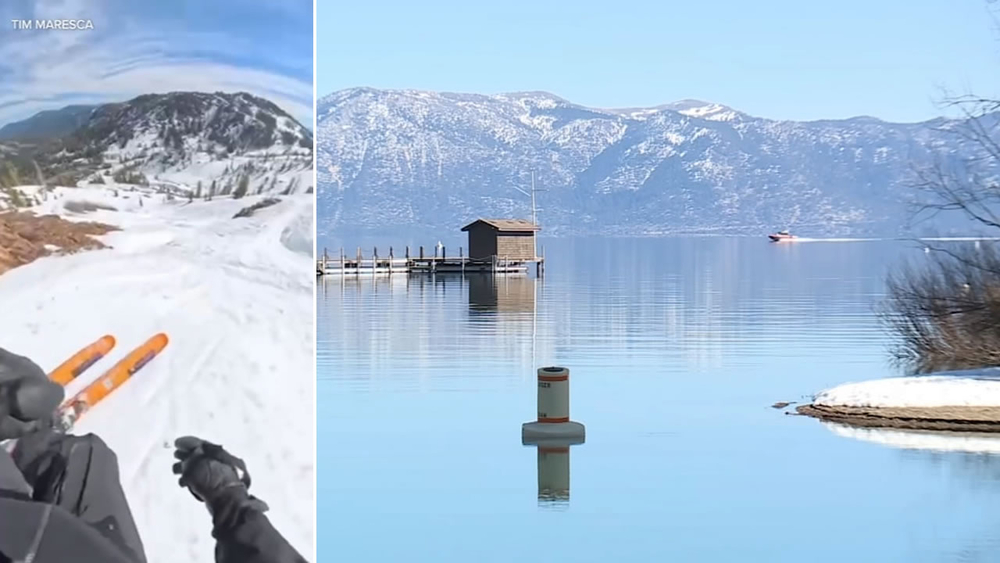
MORE: Shortening ski season: Sierra Nevada snowpack melting at 1% per day amid heat wave
"And we don't, probably appreciate to the extent we should, that the snowpack is like a reservoir for us. And if it's not going to be there any longer, we're going to need to capture some of that rain flow and put it aside for uses during either the drier parts of the year or drier years," Brown said.
The concerns come as California faces mounting water pressures. Southern California is preparing for reduced deliveries from the shrinking Colorado River, and the state continues to work on a new environmental plan for the Sacramento-San Joaquin Delta and San Francisco Bay.
Morgen Snyder of the nonprofit Restore the Delta said the watershed depends on steady, cold flows to support wildlife, including salmon.
"You know, salmon, white sturgeon, delta smelt, all of the growing list of endangered species throughout the delta. So that sort of cold storage is going to be important to determine, you know, how we can adequately ensure flows to the system. And that is sort of the really tricky part with this faster-than-usual snowmelt," Snyder said.
MORE: 'Concerning': Bay Area sizzles in March heat wave, bringing fire danger and AC issues
With farms, cities, and ecosystems all relying on the same water supply, experts warn California may be heading toward increasing competition for a resource that is now moving more quickly than ever.