Ebola outbreak could become 'the deadliest on record,' IRC warns
The outbreak has seen over 900 suspected cases and 223 suspected deaths.

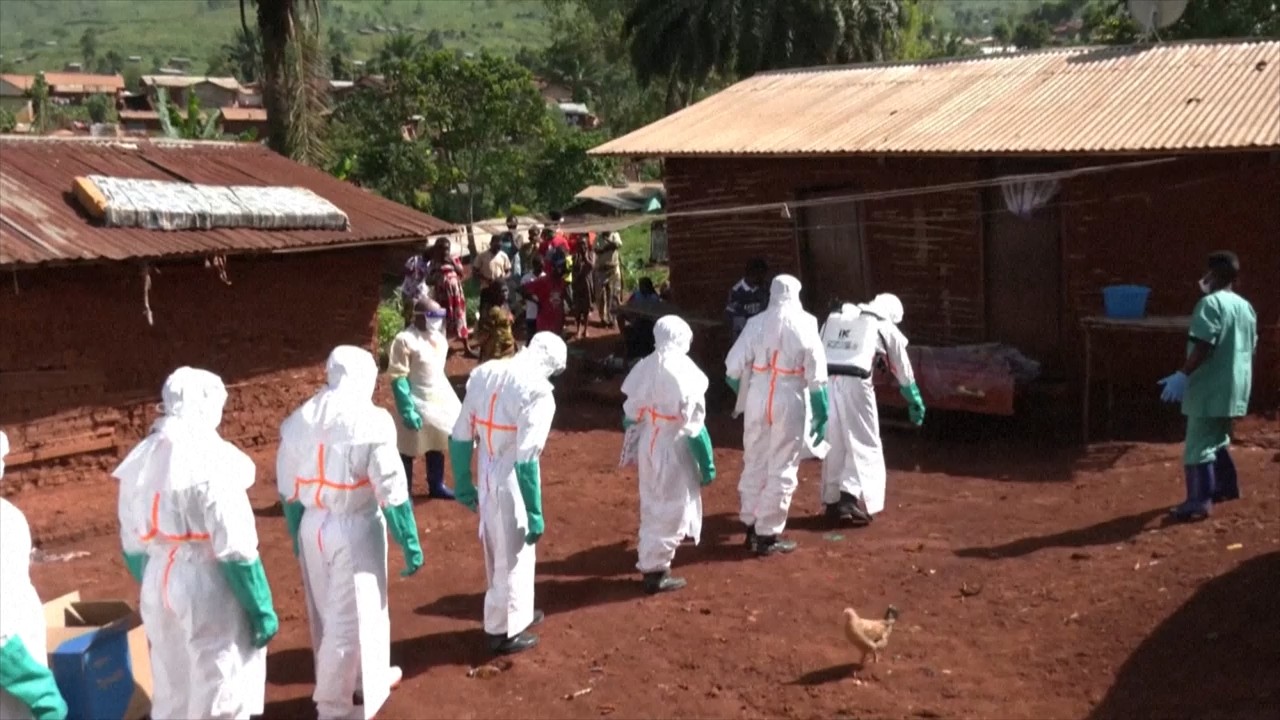
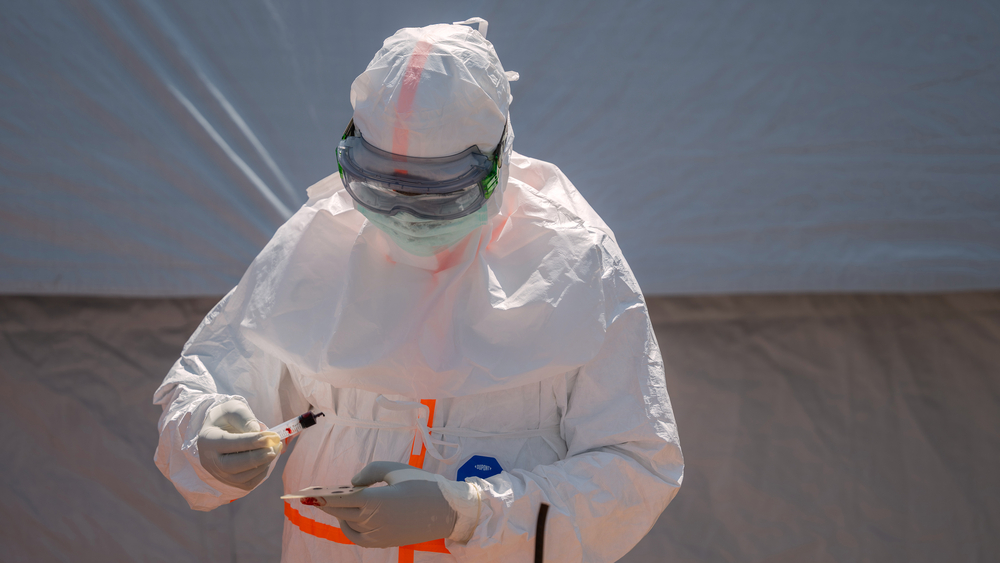
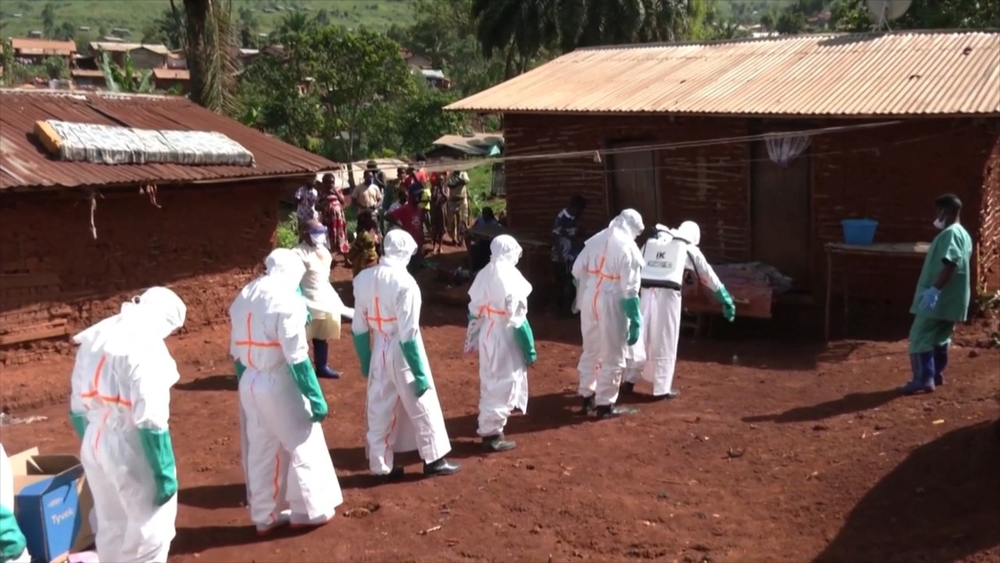
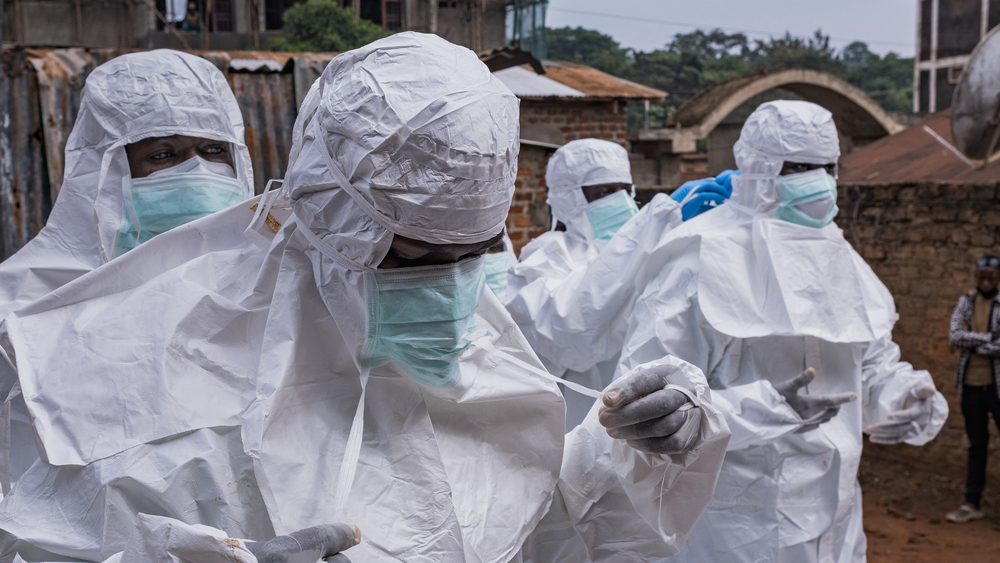
LONDON -- The New York-based International Rescue Committee (IRC) aid organization warned on Tuesday that the ongoing Ebola outbreak in the Democratic Republic of the Congo (DRC) and neighboring Uganda is now spreading faster than responders can contain it and risks becoming "the deadliest on record" without urgent international action.
What is especially alarming, the IRC said, is that the outbreak is no longer limited to remote areas of the DRC's northeastern province of Ituri, the epicenter of the current epidemic.
Cases and contacts are now spreading into larger regional hubs, the IRC warned, including the major city of Goma in the DRC's eastern province of North Kivu and also Uganda's capital, Kampala, with fears of much wider transmission.
"The outbreak is spreading faster than the response, with over 900 suspected cases and at least 223 deaths already reported across DRC and Uganda, including in major transport hubs like Goma and Kampala," the IRC wrote.
RELATED: WHO declares global health emergency over Ebola outbreak in Congo and Uganda
The IRC said conflict, mass displacement and deep international aid cuts have left health systems far weaker than during the massive 2018-2020 Ebola outbreak in the eastern DRC, which the World Health Organization said killed at least 2,299 people.
The last time the IRC issued a warning of this scale about Ebola was during the 2018-2020 outbreak, when the organization repeatedly warned that violence, mistrust and weak health systems could allow the virus to spiral into a regional catastrophe.
The IRC is calling for an emergency international funding surge, the appointment of a United Nations emergency coordinator, faster import approvals for medical supplies and equipment, stronger community outreach to rebuild trust, special protection for women and girls who reportedly make up around two-thirds of suspected cases and long-term investment in fragile health systems already damaged by war and insecurity.
The current Ebola outbreak is caused by the Bundibugyo virus, a rare variant of Ebola for which there are no approved vaccines or therapeutics and which requires different diagnostics than other variants. Case fatality rates for previous Bundibugyo outbreaks have ranged from 30% to 50%, according to the WHO.
The Centers for Disease Control and Prevention said that the deadliest Ebola outbreak on record occurred between 2014 and 2016 in West Africa, with more than 28,600 cases reported. The WHO said that outbreak killed at least 11,325 people by June 2016.
WHO chief Dr. Tedros Adhanom Ghebreyesus said during a Monday briefing that the current Ebola outbreak "will get worse before it gets better."
RELATED: Why travel restrictions may have unintended effects as US bars some amid Ebola
"We are facing an extremely serious and difficult outbreak. It will get worse before it gets better," Tedros said on Monday. "But we know this virus, and we know how to stop it. We have stopped every previous Ebola outbreak, and we will stop this one, too."
Ghebreyesus said he wanted to echo comments made by South African President Cyril Ramaphosa about overcoming the outbreak with unity.
"The question is just how quickly we can do it, and how many more lives will be lost before we do," Ghebreyesus added.
Last week, Tedros classified the Ebola outbreak as a public health emergency of international concern one level below a pandemic in the United Nations agency's alert system.
The WHO continues to consider the national risk assessment as "very high" while the regional level risk remains "high" and the global risk level remains "low," Ghebreyesus said on Monday.
The outbreak has led to multiple countries, including the U.S., India, the U.K. and Australia, putting travel restrictions in place.
Entry to the U.S. is restricted for foreign travelers who have recently been in the DRC, Uganda and South Sudan.
Meanwhile, U.S. passport holders and U.S. nationals returning to the U.S. from the three countries will be funneled to Dulles Airport in Virginia to be screened for symptoms and interviewed about possible exposure.
Enhanced screening efforts also began at Hartsfield-Jackson Atlanta International Airport as of Saturday morning. Efforts at George Bush Intercontinental Airport in Houston will begin late Tuesday.
Lawful permanent residents green card holders who have been in any of the three countries in question over the last 21 days are temporarily barred from entering the U.S.
ABC News' Eric M. Strauss and Mary Kekatos contributed to this report.