Berkeley voters to decide on measure that would double city's soda tax


BERKELEY, Calif. (KGO) -- Berkeley voters will decide in November whether to double the city's tax on sugar-sweetened beverages, a move supporters say would raise additional funding for health and nutrition programs, while opponents argue it would increase costs for consumers.
Berkeley was the first U.S. city to adopt a tax on sugary beverages when the measure took effect in 2015. Similar taxes have since been adopted in cities, including San Francisco and Oakland.
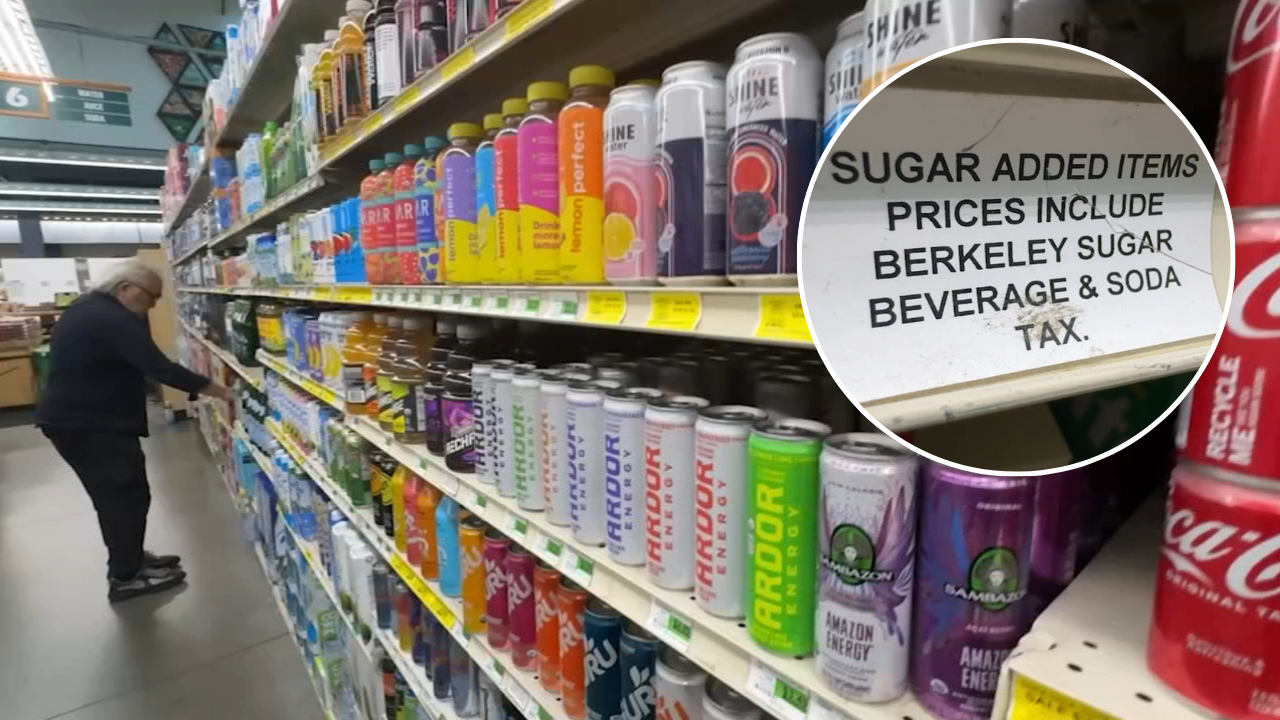
The tax is not a sales tax on consumers. Instead, it is imposed on distributors, although distributors can pass the cost on through higher prices. At a Berkeley grocery store, customers browsing the beverage aisle could see a sign indicating the prices include a Berkeley soda tax.
The city currently taxes sugar-sweetened beverages, including sodas and energy drinks, at 1 cent per fluid ounce, or about 12 cents for a can of Coke.
Berkeley Measure AA would increase the tax to 2 cents per fluid ounce, or about 24 cents for a can of Coke.
CALIFORNIA BILLIONAIRE TAX: Here's everything you need to know about Proposition 40
"It kind of sounds absurd. We already pay taxes on plastic bottles that we buy," said Eddie, a Berkeley resident who didn't want to give his last name.
"It's kind of difficult to decide, because I believe soda is not good for your health. But also, it is part of our way," said Carmen Musalem, an Oakland resident.
Supporters of soda taxes say they improve public health by discouraging the consumption of sugary drinks.
"I agree with it. It's just, we don't buy sodas, so it wouldn't affect us. But I think to discourage people from drinking overly sweet drinks and sodas, I think that's perfectly fine," said Hans Goto, a Marin resident who shops in Berkeley.
The taxes also generate revenue for local programs.
"I think it's great. It brings more money in for our schools and for programming that makes kids healthier, and there's nothing bad about that," said Alon Yoeli, a West Berkeley resident.
Supporters of Measure AA say revenue from the increased tax would support projects including improvements to water fountains and funding for school and community health programs.
"Forty-two percent of the funds go to the Berkeley Unified School District for the school gardens and other nutrition programs directly serving all Berkeley children. Forty-two percent of the funds go to community health well-being. So health education, medical care, dental care," said Marice Ashe of the Measure AA Campaign Committee and a Berkeley resident.
In 2018, California prohibited local governments from adopting new taxes on groceries through 2030, slowing the expansion of such measures across the state. The American Beverage Association, which represents soda companies, opposes Measure AA.
In a statement, Julian Cañete, president and CEO of the California Hispanic Chambers of Commerce, said: "It is clear that this tax is ineffective and benefiting no one except the so-called nonprofits. Voters should keep that in mind before doubling a tax for countless family-owned small businesses in Berkeley struggling to stay afloat."
Berkeley voters will decide the measure in the November election.