EXCLUSIVE: Behind-the-scenes tour of the San Francisco Mint


SAN FRANCISCO (KGO) -- From metal to money, change is underway at the San Francisco Mint.
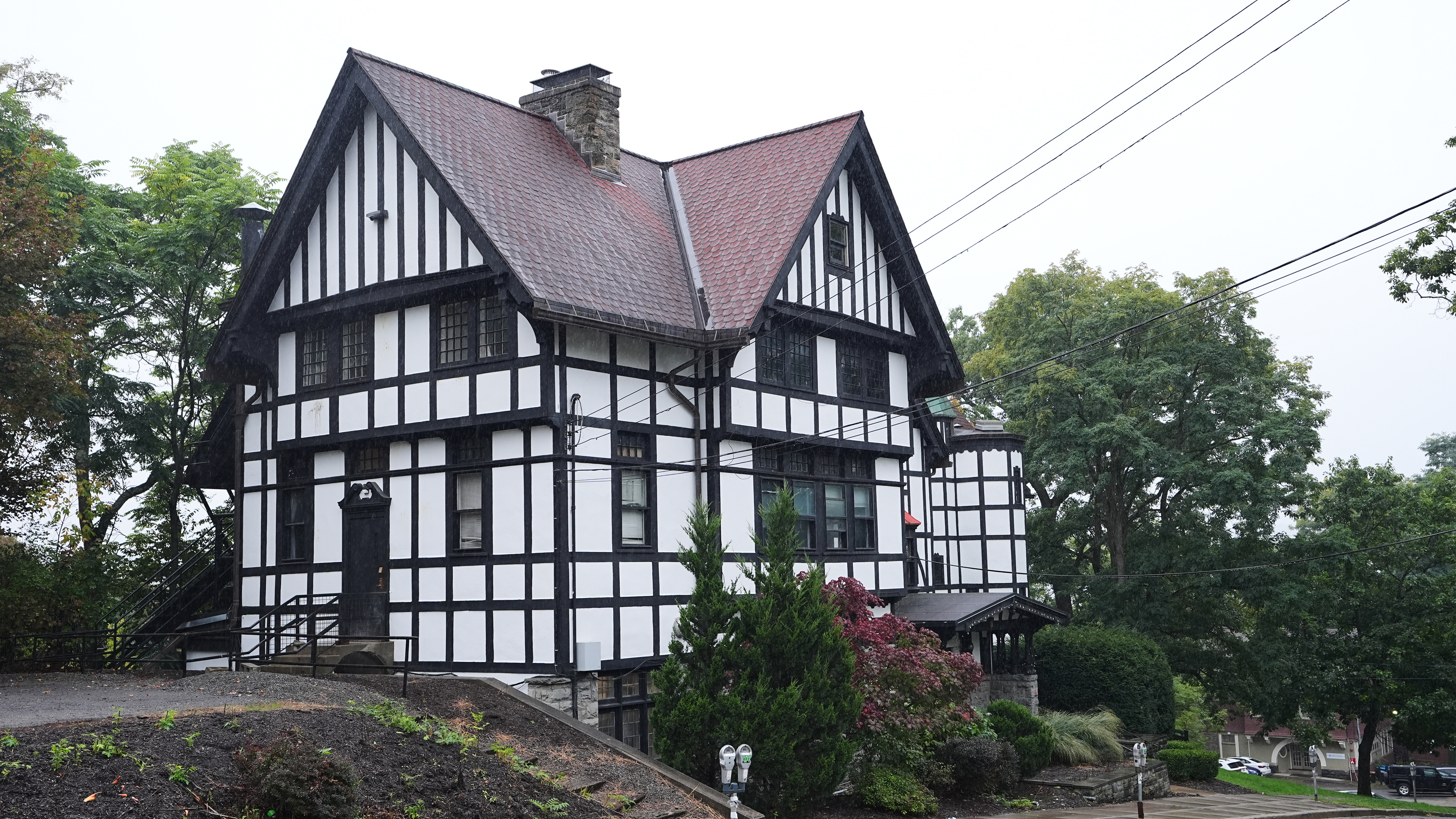
One of only four places in the country to produce coins, the Mint opened in 1854 to handle the massive wealth of the California Gold Rush. It also played a pivotal role after the 1906 earthquake and helped bring the city back to life when many banks were inaccessible. Now in its third location near the Lower Haight, it no longer produces coins for circulation; instead, it creates commemorative coins and proof coin sets.
ABC7 Eyewitness News Anchor Nancy Chen got a rare, exclusive tour inside as it produced the 2026 Semiquincentennial Proof Set in clad for release Oct. 6 as part of the "America 250" collection.
"It's a tribute to our nation, to our history, especially this year, and it's something that's going to have enduring value," said Aaron Isaacson, head of special events. "I understand that credit cards and ETFs are probably the preferred way of payment today, but they do not endure. But coins do endure. And someday, I am very confident that the coins that we are making here today will be in museums up to a thousand years into the future."
The silver version of the Semiquincentennial Collection sold out in less than a day this summer, each bearing the "S" mint mark for San Francisco.
The clad version is crafted from multiple layers of metal and features ten specially designed coins, including five 2026 Semiquincentennial Quarters honoring the Mayflower Compact, the Revolutionary War, the Declaration of Independence, the U.S. Constitution, and the Gettysburg Address.
"Because it's proof, it has to be absolutely perfect, or what we call mint condition," said Marcial Gavino, a coinage supervisor. "It has to be absolutely perfect. There are so many deficiencies that these operators have to find in order to become a proof. That's why a penny is not worth a penny. A quarter is not a quarter. Be a few dollars; later on, maybe it'll be a few thousand dollars. Because it's so perfect, this is what they're striving to do."
Gavino oversees part of coin manufacturing, which includes the now-rare penny after it was discontinued last year. The San Francisco Mint is the only place that still makes them.
"Because we're the only ones doing proof, San Francisco is authorized to go ahead and continue doing pennies, only as a proof," Gavino said.
After arriving from Denver as coils, the metal gets stamped into what they call blanks. Heat up to 1500 degrees softens the metal before each blank is shaped, polished, prepared and annealed for the stamping process.
In the die room, specialists use microscopes to meticulously prepare the steel stamps that will press designs into the coins.
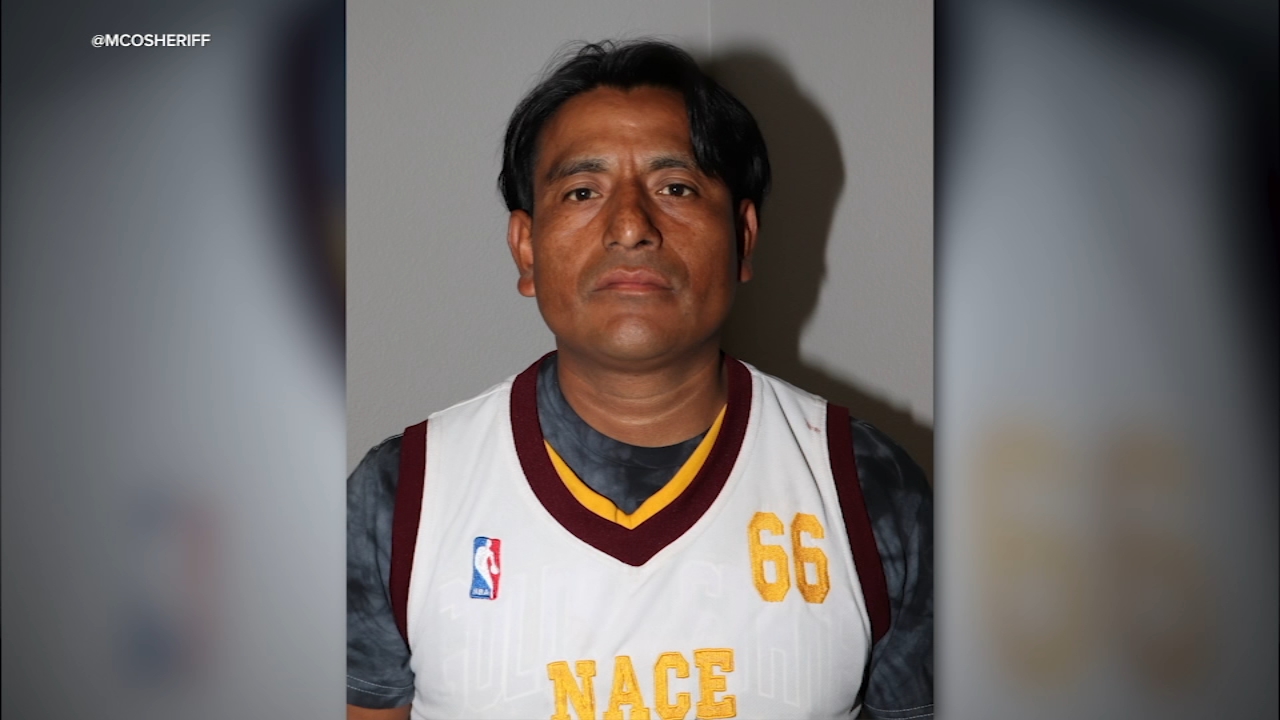
"It's microscopic. From the beads of the corn, to the feather, even to the fingers - the fingernails itself, that's what they're looking for, to make sure everything is filled in due to the character of the picture of what they have," Gavino said. "They're looking for all of this stuff to make sure it's the perfect form in order for it to get stamped."
Craftsmanship then meets cutting-edge technology as massive machines stamp the designs into the blank coins.
"The tonnage can range between, say, 80 to 120 tons," Gavino said. "So imagine a big whale jumping and putting all their force into one small die, making these coins. So what you see in there is an actual character that's actually impressed. So it has different variations of tonnage in order to make that specific coin."
Robotic arms then assemble and box the final proof sets to go to collectors around the world.
"I think it's a testament to our nation, to our values as a people," Isaacson said. "And I myself am quite proud whenever I see especially one of our products here because I know the hard work that went into making it, but we made it for the nation, and it's something that is going to endure many years into the future."