How people in SF's Tenderloin perceive reported progress in drug and homelessness issues

SAN FRANCISCO (KGO) -- City officials have highlighted San Francisco's declining crime rate and fewer homeless encampments, but some residents and workers in the Tenderloin say their daily reality has not changed.
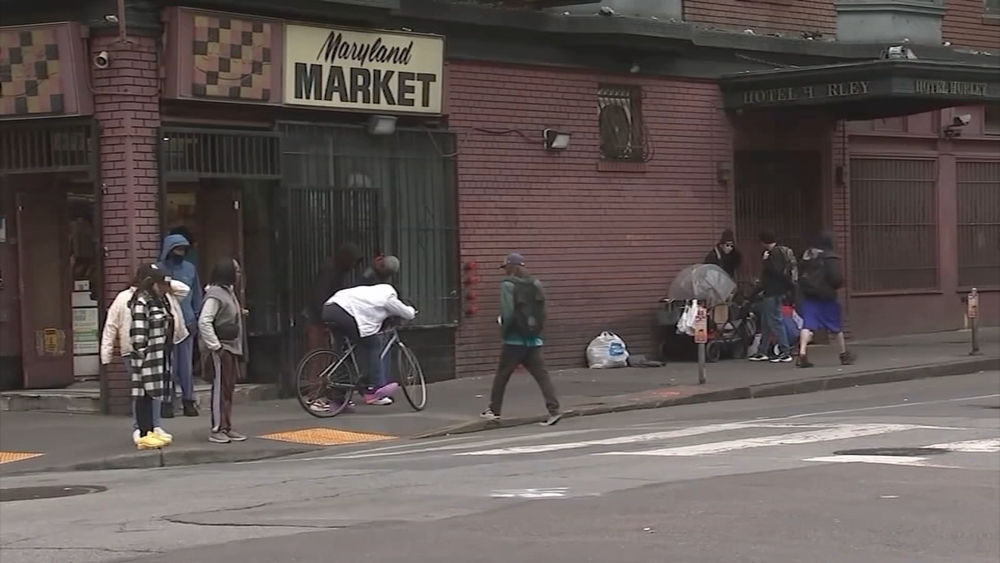
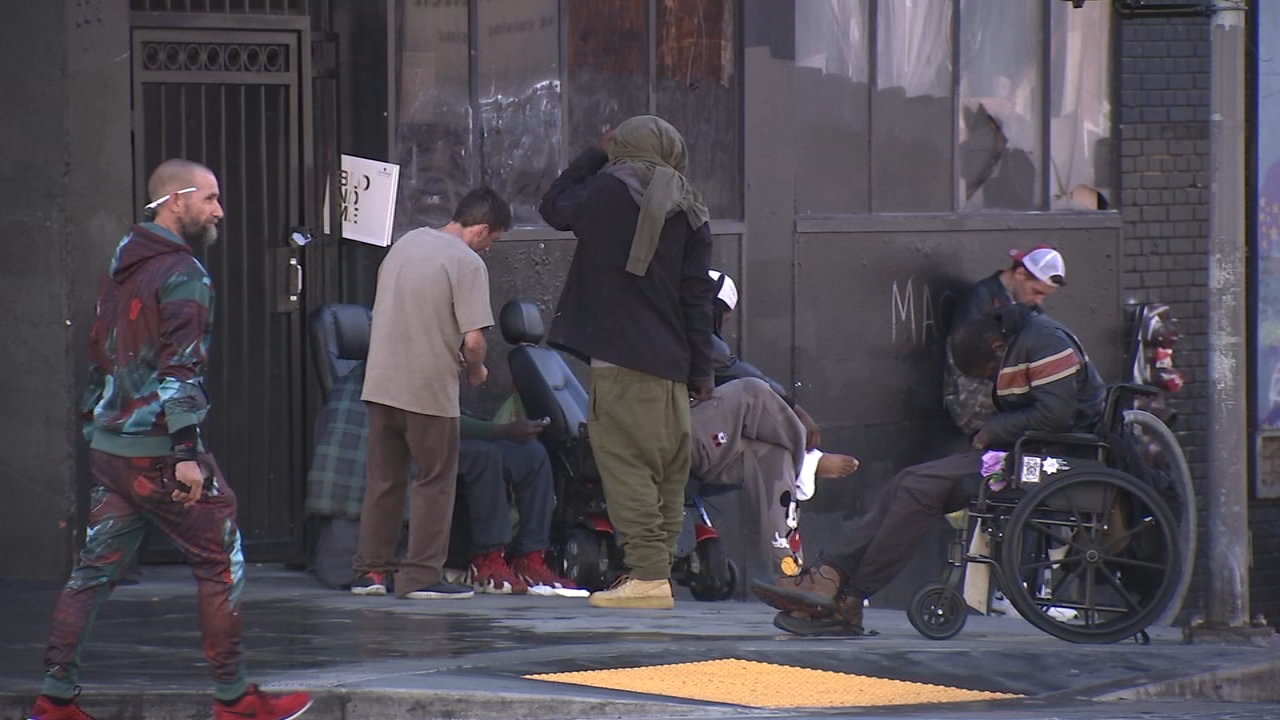
On Wednesday morning, ABC7 Eyewitness News visited the corner of Jones and Ellis streets, a busy Tenderloin intersection long associated with open drug use and homelessness, to speak with people who live and work nearby.
"We're here at the corner of Jones and Ellis. A lot of people have told us that this is a very challenging corner, so we're going to just sit down and see what happens and talk to people," reporter Lyanne Melendez said.
MORE: SF gives $3.3 million to residents, nonprofits with projects to beautify the city
By midmorning, the scene reflected what many described as an ongoing struggle with addiction. Randy Shaw, of the Tenderloin Housing Clinic, called the location emblematic of the neighborhood's problems.
"The whole intersection. It's the worst intersection in San Francisco, most drug-filled intersection," Shaw said.
Shaw said conditions in the Tenderloin would not be tolerated elsewhere in the city.
"Anyone who comes here knows the truth and that is the city allows activities that go on in the Tenderloin that would never be allowed in the neighborhoods," he said.
He pointed to repeated pledges by Mayor Daniel Lurie to crack down on public drug use. In a previously recorded statement, Lurie said, "Since January, we are tackling this in new and innovative ways." Shaw said residents have yet to see tangible results.
"What I don't like is when he says we're really committed to clearing our streets of drug activities and we don't see any progress," Shaw said.
Not all residents share Shaw's view. San Francisco resident Erwin Garcia said Lurie is continuing work that began before his administration.
"The last administration did start sweeping the streets, cleaning the streets providing programs, he's building on that. He's taken the momentum that was already there and has continued that momentum," Garcia said.
Among the changes Lurie has proposed is a new "RESET Center" in the South of Market District, expected to open in May. The city says the center will serve as a sobering facility and connect people with treatment. Those arrested for public intoxication or drug use would be taken there instead of jail or emergency rooms.
MORE: SF mayor signs legislation for officers to arrest drug users, send them to RESET Center
Garcia said a system focused on support can make a difference.
"People want to use, obviously because they are addicted and they're sick but if you can give them the hope and show them there's a better way and provide a system of care for it, it works," he said.
Throughout the morning, ABC7 observed people struggling with substance abuse. Some appeared to simply need a place to rest.

Others questioned why drug use often seems to carry few consequences. Nearby business owners voiced frustration. Mohammed Albarak, who owns Starlight Market and Liquor Store, said repeat offenses are common.
"They get caught, you would think they're not coming back for a month or two, the second day they're out. They come back. All that drama, all the police, the arrests, all of it, you'd think some punishment would come out of it, but that's not the case," Albarak said.
San Francisco District Attorney Brooke Jenkins said the office has maintained a tough-on-crime approach during Lurie's first year in office. A few years ago, Jenkins said, "It is not compassion to leave people on the street suffering."
Jenkins has also said it can take two to three attempts to persuade a judge to hold someone in custody, which may help explain why some people return to the streets shortly after being arrested.
As word spread that ABC7 was on the corner, longtime Tenderloin resident and activist J.J. Smith stopped by to offer his perspective.
"The drug crisis that they have out here, that is still the same. The homeless issue, there are a lot of people who were homeless that have been disappearing," Smith said.
MORE: SF names new Department of Homelessness director as city faces $643 million deficit
City officials say some individuals have left through the Journey Home program, which pays for people to return to cities they came from, though it is unclear how many have found permanent housing.
District Supervisor Bilal Mahmood said progress is happening beyond what is immediately visible.
The neighborhood now has three new beat officers, and in January opened its first youth violence prevention program for people ages 14 to 24. The city also says it will not open any new homeless shelters in the Tenderloin.
"For too long in this neighborhood we have concentrated services to send people to without the appropriate types of services to support them," Mahmood said.
Mahmood said reversing the effects of long-standing policies will take time.
"The commitment we've made with the mayor and our office when he took office a year ago was no more, but it's going to take time to undo decades of bad policy decisions that have affected the neighborhood," he said.
The city says two shelters have recently closed in the Tenderloin, and sobering centers are being opened in other parts of San Francisco - changes officials hope will eventually shift conditions on streets like Jones and Ellis.