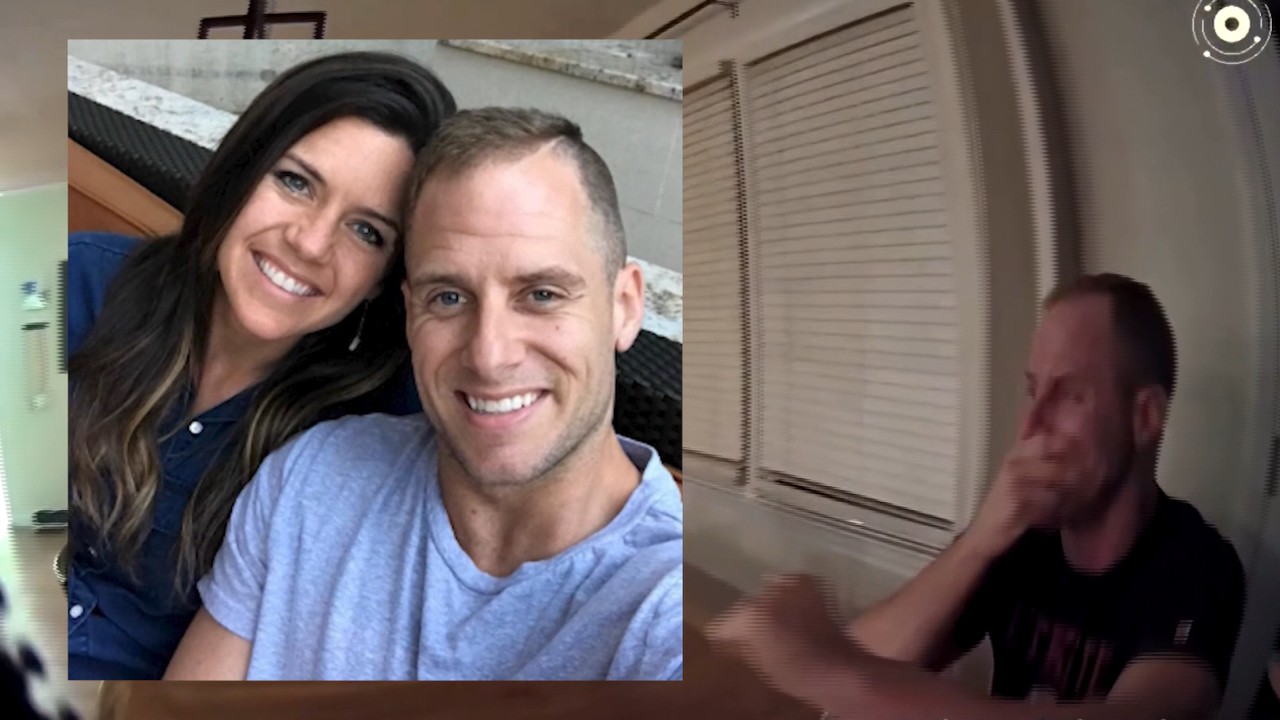
Penn State drug ring: Frat pledges given 'steady hand test' before cutting cocaine, documents reveal
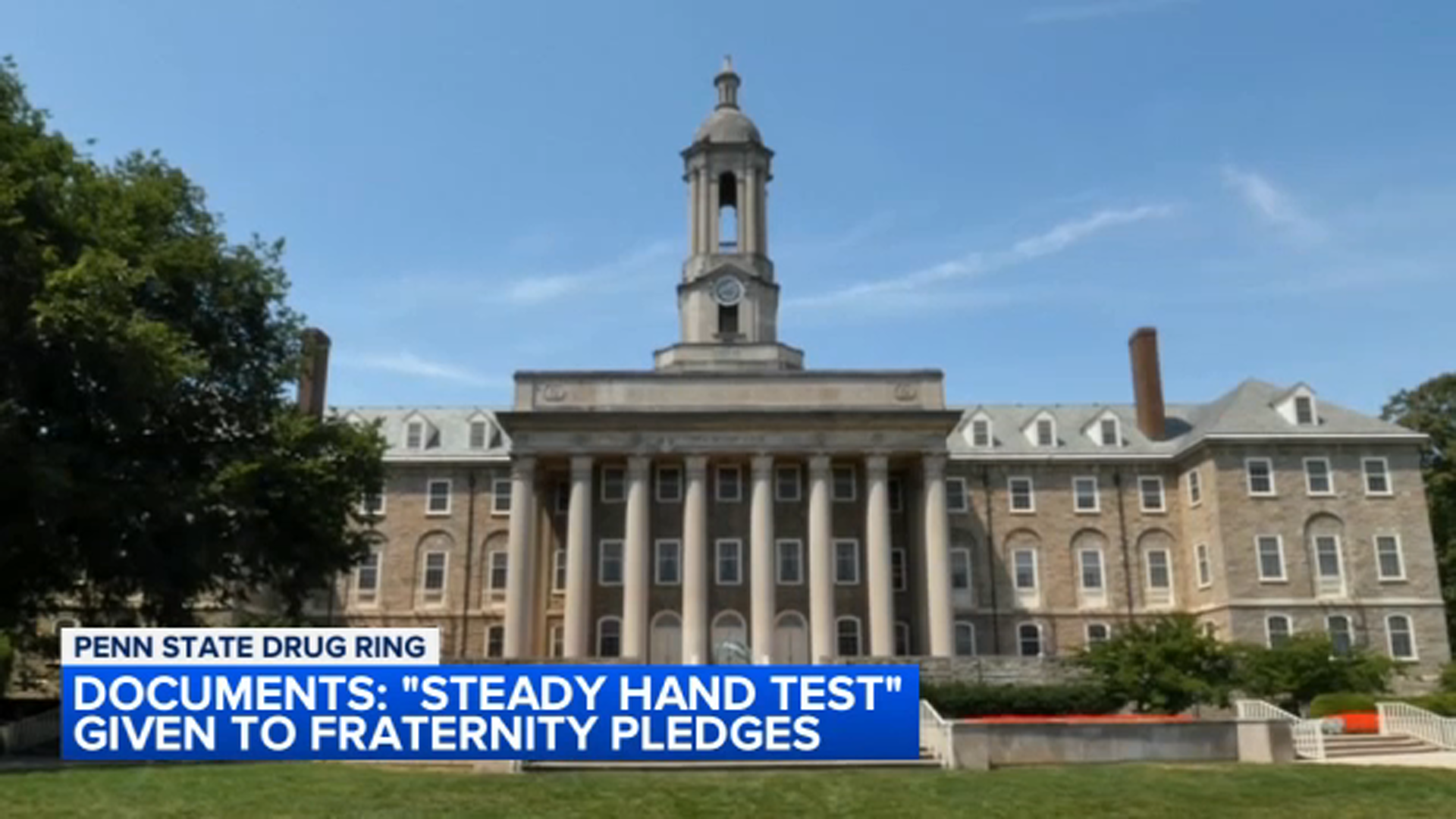

STATE COLLEGE, Pa. -- Newly released court documents are shedding light on the sprawling drug trafficking ring that authorities say distributed kilos of cocaine across the campus of Penn State University.
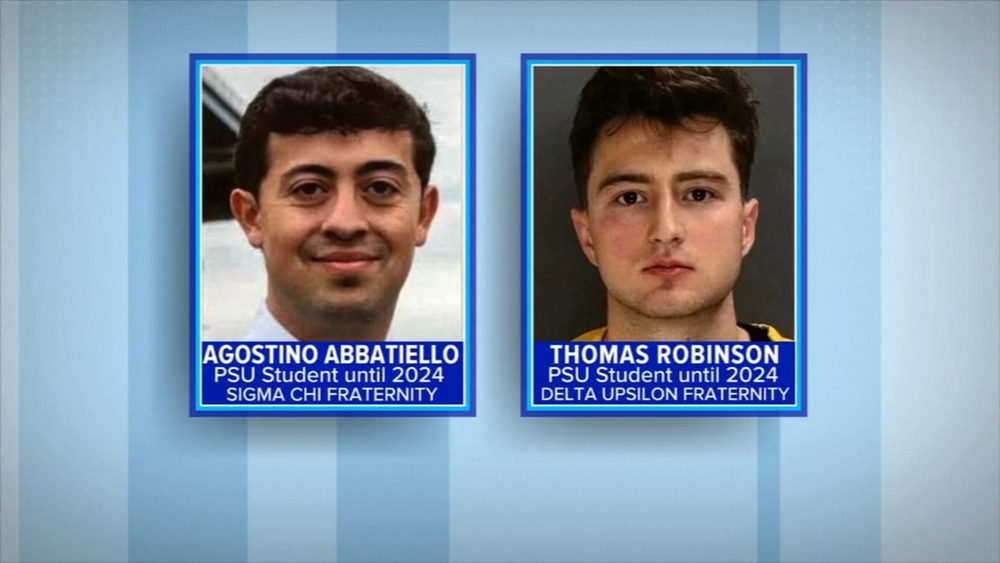
Authorities say that one of the main suppliers in the operation used his role overseeing pledges in the Delta Upsilon fraternity to recruit help to cut cocaine with creatine and package it for distribution on campus.
According to court documents, Thomas Robinson - who is cooperating with authorities - tried to identify "trustworthy" pledges and used a so-called "steady hand test" to determine if they could cut the cocaine.
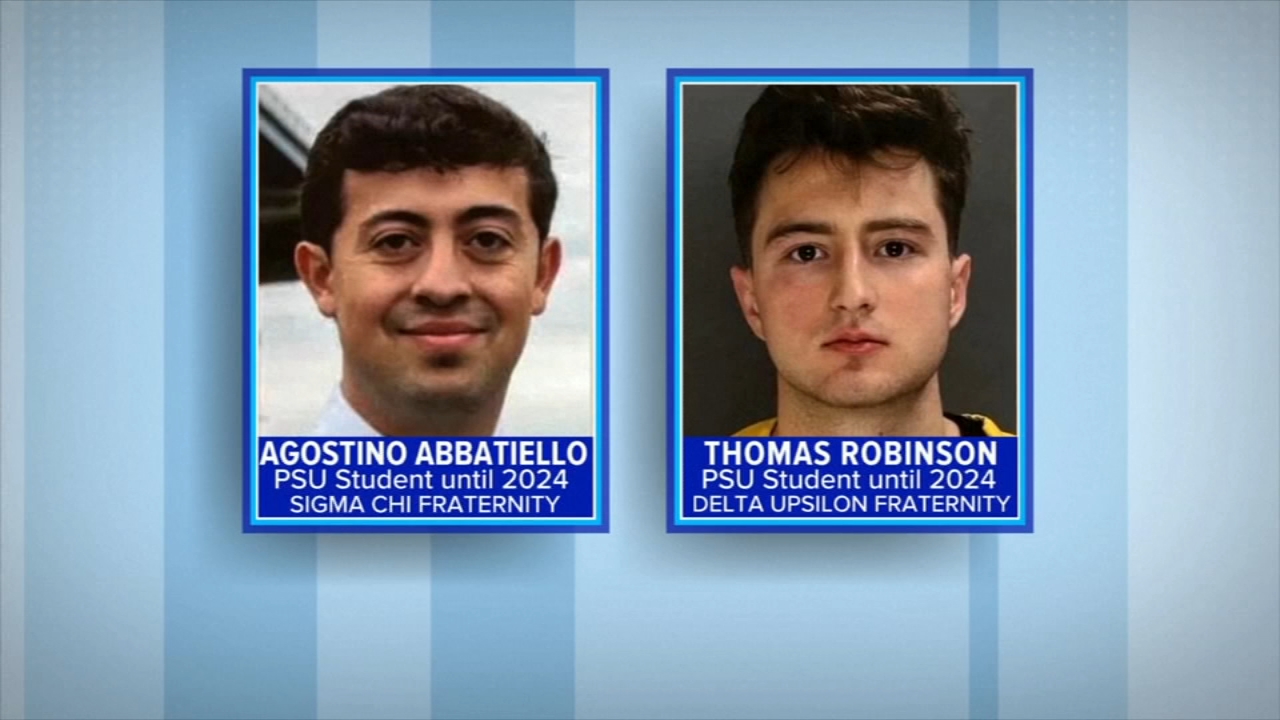
"Robinson directed all three pledges to hold out their hands. If their hands were steady, they were allowed to continue to assist Robinson, although they did not know the task they were being asked to do," the court documents said.
Robinson told authorities that he had the pledges sign non-disclosure forms before taking them to the fraternity's boiler room, where a folding table was set up with equipment like goggles, glass dishes, and dime bags.
READ MORE | 14 charged in alleged cocaine trafficking ring tied to Penn State fraternities; leader surrenders
"Robinson then placed a brick-like amount of cocaine on the folding table. One of the pledges shredded the cocaine while Robinson added creatine to the cocaine. The other two pledges put the cocaine into the half-gram bags and weighed the bags," according to the grand jury presentment.
Authorities allege that the drug business was passed down through the fraternity, handed off by brothers who were graduating or studying abroad. When Robinson took over the operation, it grew so quickly that it sparked concerns from other fraternity members.
"[P]eople from the fraternity were telling Robinson that his operation was getting too big and he was exposing himself and people around him to being arrested. Robinson ignored the cautions and continued to deal drugs and expand his customer base by selling to non-fraternity members," the records said.
RELATED | 2 local men charged in alleged Penn State University drug trafficking operation
According to the court documents, Robinson used his position as pledge educator - a role that normally mediates between pledges and "pledge masters" - to recruit help for his operation.

"The pledges who testified before the grand jury indicated that Robinson was 'calling the shots' in terms of pledges assisting him with the preparation and distribution of cocaine," the records said.
Authorities said the code of silence that already existed in the fraternity extended to the drug trade, ensuring that the pledges would not reveal the operation to law enforcement or school administration. When Robinson was arrested, authorities said the president of the DU fraternity held a virtual meeting to notify the brothers and told them to "not talk to police."
"They also told the fraternity members that anyone who had been involved with Robinson and what he was doing should get a lawyer and not talk to the police. They also directed the members of the fraternity to let them know if they get contacted by law enforcement, such as through receipt of a subpoena," the presentment said.
Safe full of drugs and cash
Authorities allege that shortly after Thomas Robinson was released from jail, his father helped him retrieve a safe full of drugs and cash that one of his fraternity brothers buried in the woods near Penn State.
"Paul [Robinson] and [Thomas] Robinson were very appreciative of both [Ryan] Matson hiding the safe and assisting Paul in retrieving it from the woods. They both reiterated, however, that no one should ever know about the safe and that he was not to tell anyone."
According to the court records, Thomas Robinson asked Matson, his fraternity brother, and his roommate Thomas O'Neil to store a safe for him after growing suspicious that police were onto his operation. Robinson allegedly paid both men $100 every month to store the safe in their apartment, where Robinson locked away "a couple of bricks of cocaine" and cash.
After Robinson was arrested, Matson and O'Neil "decided it would be best to take the safe into the woods to hide it," according to the records. The men allegedly drove their car to a "wooded area" near Penn State and buried "the safe next to a tree and covered it with leaves and branches."
According to the records, Thomas Robinson's father, Paul, reached out to Matson after the arrest to communicate that they "really needed to get the safe back."
"When Matson said that he almost threw it in a lake, [Thomas] Robinson explained that it was a good thing he hadn't, due to him having a large amount of cash in the safe. Robinson was extremely appreciative that Matson hid the safe," the presentment said.
Authorities allege that Paul Robinson drove out to the woods with Matson to retrieve the safe - which he plotted on Apple Maps.
"When they reached the location of the safe, Matson got out and found the safe where he had buried it. Once Matson had it, he placed the safe in the third row of Paul's vehicle and covered it up with a blanket," the presentment said.
According to the records, the Robinsons then drove the safe away from Penn State.