Powerful Hurricane Polo drenches Mexico's coast from offshore as Nolo nears Hawaii

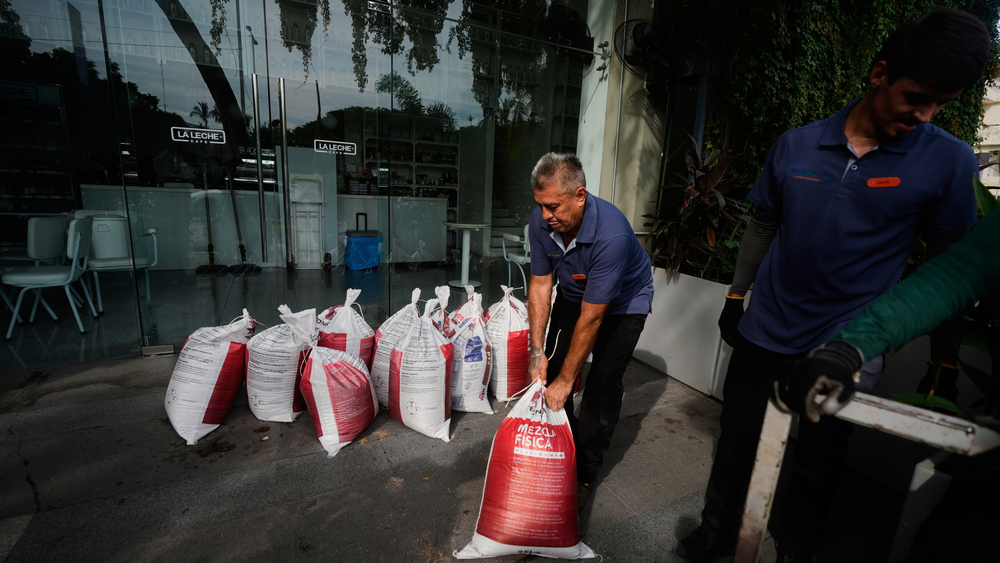
MEXICO CITY -- Residents along Mexico's west coast stacked sandbags to fortify beachfront shops and evacuated their homes, while Hawaii's Big Island and Maui braced for potentially catastrophic flooding, as separate hurricanes swirled in the Pacific on Thursday.
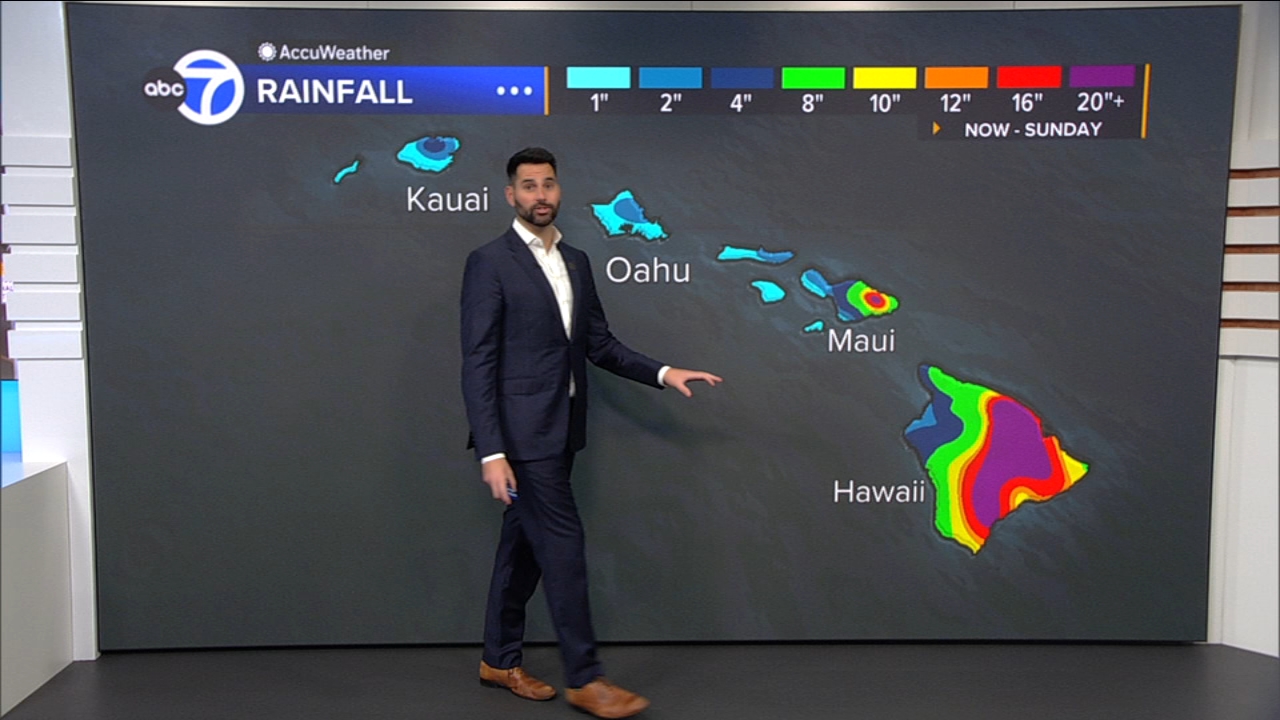
Nolo became a hurricane in the Pacific Ocean on Thursday night and was expected to strengthen while turning toward the Big Island, the National Hurricane Center said. Forecasters warned that the Big Island could see rainfall totals of 15 to 30 inches (38 to 76 centimeters), with higher amounts possible through Saturday. The island of Maui also could be hit with life-threatening floods, the hurricane center said.
PREVIOUS: Hurricane Polo off Mexican coast is among 'the strongest storms ever,' fueled by El Niño
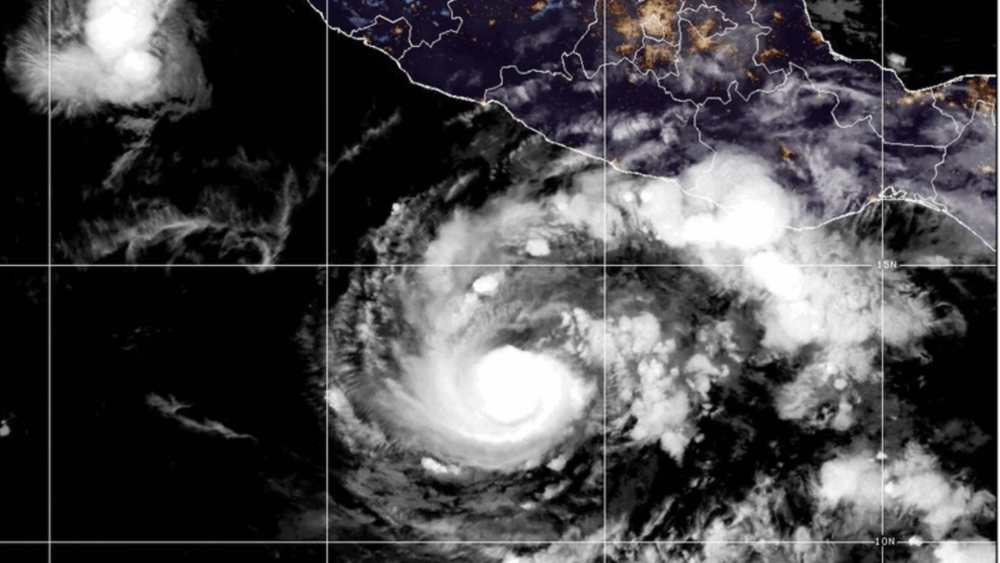
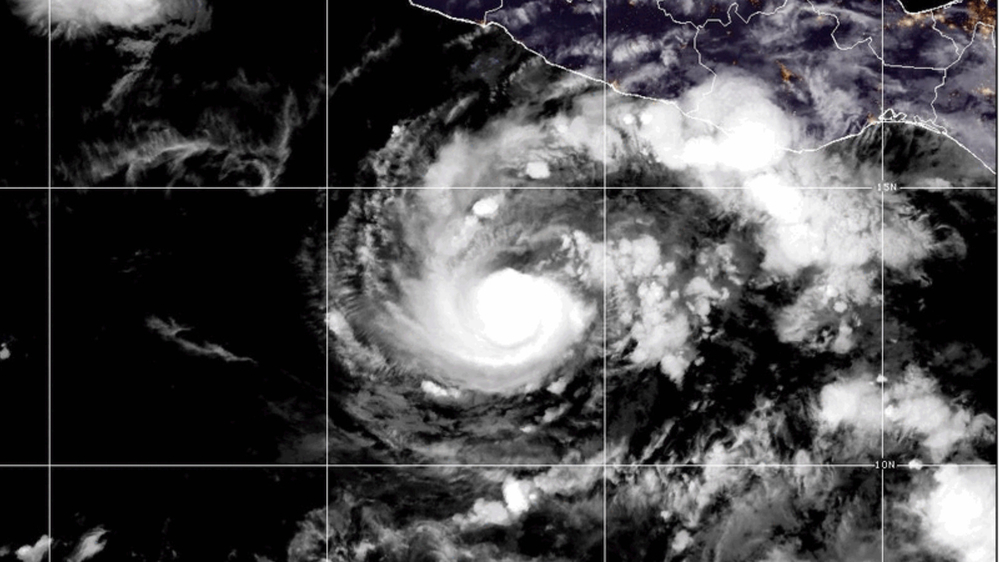
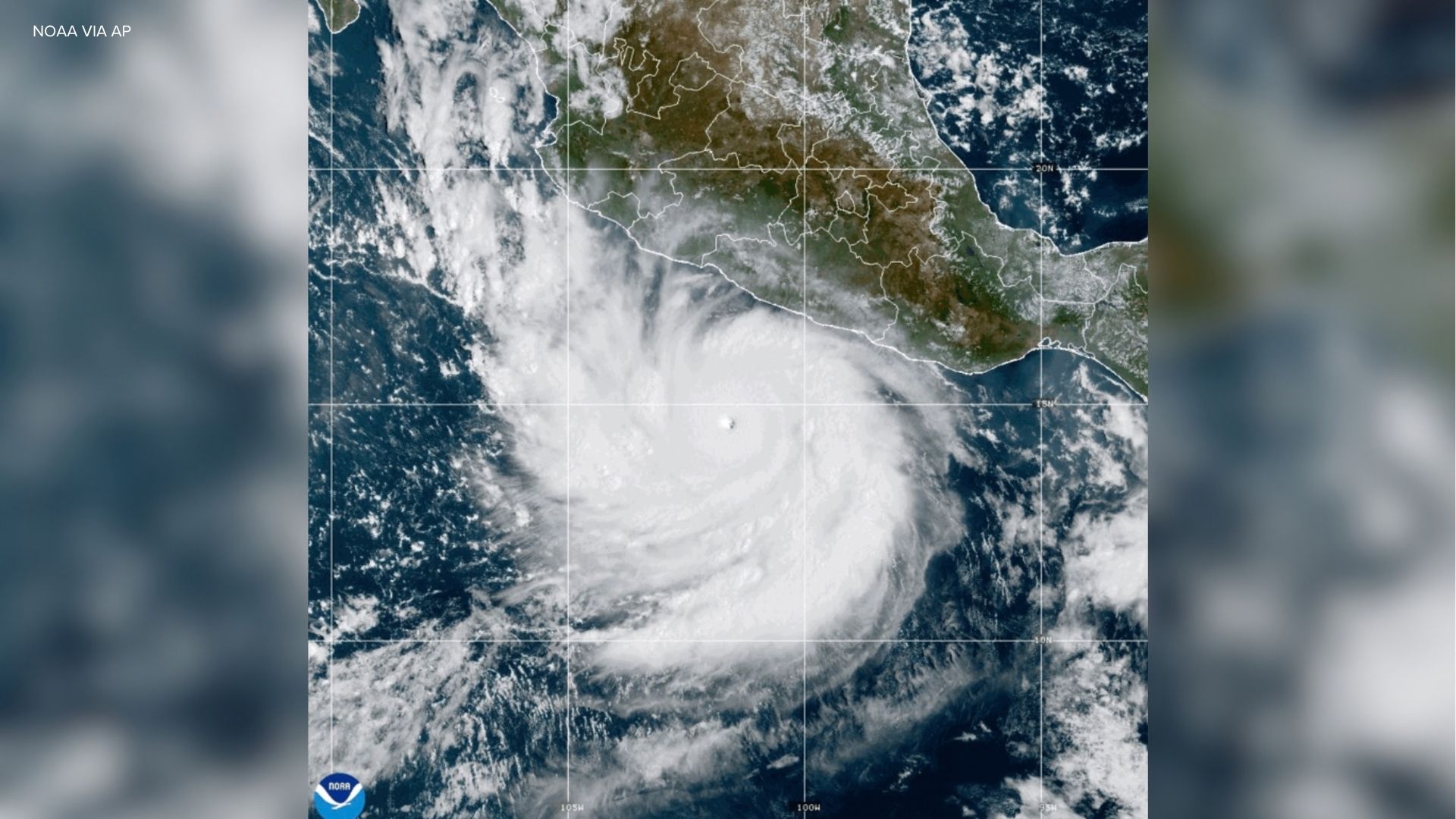
Meanwhile, heavy rains from powerful Hurricane Polo could cause torrential flooding and landslides in Mexico, according to the U.S. hurricane center. In the port city of Lázaro Cárdenas, seawater already swept through homes Thursday and left wooden planks and furniture strewn on the streets.
Polo has fluctuated between Category 4 and 5, both major-hurricane strength. It was expected to regain Category 5 status on Friday, then gradually weaken Friday night and Saturday, the hurricane center said.
After skirting Mexico's coast, Polo was expected to move farther out to sea Thursday night and Friday before hooking back toward land to the north on Saturday.
The series of powerful storms comes as the weather phenomenon El Niño prompts major environmental shifts across the world, fueling drought in some areas and flooding in others. El Niño traditionally dampens the Atlantic hurricane season, while it tends to rev up tropical cyclone activity in the Pacific with moist air and little wind shear.
Hawaii has been battered this year by major flooding in the spring, an earthquake and two other hurricanes since mid-August.
"In my 20 years of experience here, I've never seen three hurricane watches for the islands in the same year," said John Bravender of the National Weather Service in Honolulu.
Polo could trigger flooding and mudslides in Mexico
Mexican authorities were opening shelters and clearing people from beaches, while coastal residents tried to protect businesses from getting swept away. People in high-risk areas were being evacuated, though authorities didn't immediately say how many.
Much of the worry from locals comes from hurricanes in past years that devastated cities along the Pacific coast. Hurricane Otis in 2023 unexpectedly plunged Acapulco into turmoil for weeks.
"So many people said it wouldn't happen and then it did. After that, you're left on edge," said Gonzalo Ramírez, a bartender in the city.
Polo posed the biggest threat to Guerrero and Michoacán, neighboring states in southwest Mexico that share a long coastline scattered with small ports, tourist towns and fishing villages. Much of the area is marked by poverty, and residents routinely complain they are left to fend for themselves during natural disasters.
Mexican authorities have deployed 15,000 security personnel across the coast and suspended schools.
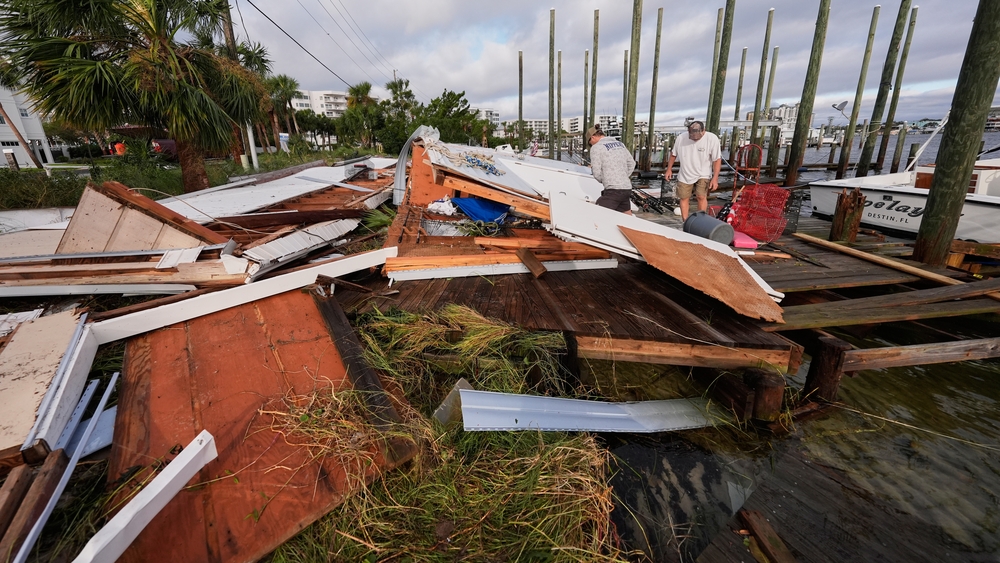
In Lázaro Cárdenas, a port city in Michoacán that was hit with high surf, locals and government officials were clearing out piles of wooden planks from a number of destroyed ramadas and shoveling thick mud coating much of the town.


Alicia Contreras said the walls and roof of her restaurant had been severely damaged by 15-foot (4.5-meter) waves. As officers and family helped pick through the damaged house, Contreras worried how she would economically recover.
"This is huge because we have no other source of income. Now we're just surviving," Contreras said.
Nolo could flood parts of Hawaii still recovering from other storms
The National Weather Service said Tropical Storm Nolo would likely strengthen before closing in on the Big Island on Friday or Saturday.
The storm has the potential to be a major hurricane, John Bravender, a weather service warning coordination meteorologist, said during a news conference Wednesday afternoon.
While the Big Island is expected to bear the brunt of Nolo, its full path remains uncertain, according to Bravender.
While high winds are expected, Bravender said the main concern is the possibility of flash flooding. He said 20 to 30 inches of rain could fall through Saturday on southeastern parts of the Big Island, the same region hit hard in August by Hurricane Lala.
"That by itself could cause catastrophic flooding, but when you put that on top of grounds that we've been raining off and on for the last couple of months ... that rain could cause even more damage," Bravender said.
He urged preparation across all Hawaii islands in case the storm's trajectory shifts.
"You need to take action now," Bravender said. "Today is really the last dry day you have to get ready."
Hawaii County Mayor Kimo Alameda told residents in a video message on social media that they should start preparing now for the storm. He urged people to put together an emergency kit with food, water and medications, trim vegetation and clear drains.
"This is a very serious situation," he said. "We do believe that the rain is going to come. It's coming already."
The governor issued an emergency proclamation Tuesday and more than 230 Hawaii National Guard members have been activated, said Maj. Gen. Stephen Logan, adjutant general of the state's Department of Defense.
Kauai's electric cooperative urged residents to prepare for "the possibility of prolonged power outages," and to store nonperishable food and potable water.
Over 100 Kauai households remain without power from Hurricane Lowell, which passed west of the island on Sept. 7.
Hawaiian Electric, the state's primary utility, said crews would return to at-risk areas in preparation for the coming storm.
Odalys and Fay are not near land
A third storm in the Pacific, Hurricane Odalys, was centered far from land, roughly 1,110 miles (1,785 kilometers) west-southwest of the southern tip of Mexico's Baja California peninsula.
In the northern Atlantic Ocean, Tropical Storm Fay re-formed early Thursday, the U.S. hurricane center said. It was nearly 1,000 miles (1,600 kilometers) west-southwest of the Azores.
Tropical Storm Gonzalo formed in the Atlantic Ocean late Thursday, about 190 miles (306 kilometers) southeast of the Cape Verde islands off the coast of West Africa. The U.S. hurricane center said that if it stays on its current track, the storm will pass near or over portions of the islands on Friday.