SFMTA approves $55 million contract to use AI to help identify parking, transit lane violations
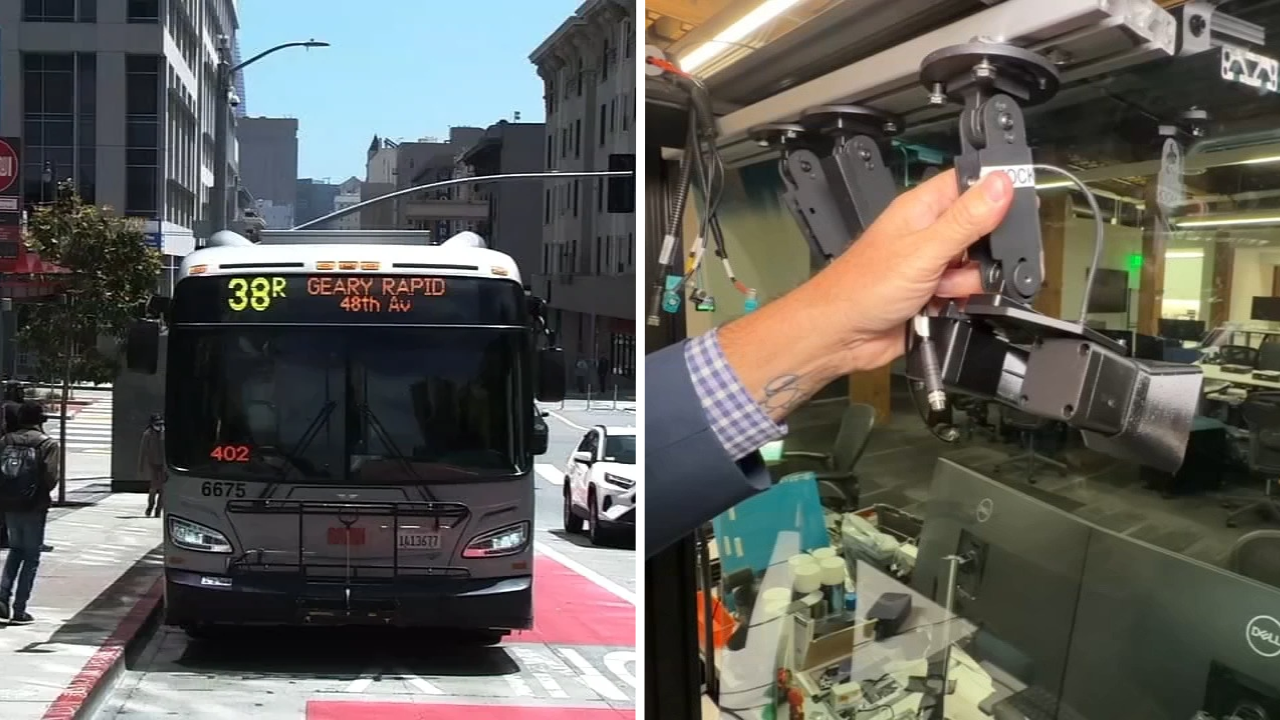


SAN FRANCISCO (KGO) -- The San Francisco Municipal Transportation Agency board has unanimously approved a $55 million contract for up to six years with San Francisco-based Hayden AI, a vision-based artificial intelligence company, to help identify parking and transit lane violations using cameras mounted on public buses.
The agency plans to roll out the technology over the next several months.
"In San Francisco, the plan is to roll out our system over the next six or eight months to install as many as about 200 buses and to hopefully help the agency provide better service to the hundreds of thousands of riders," said Charles Territo, chief growth officer for Hayden AI.
According to Hayden AI, the camera systems are mounted inside buses behind the windshield to capture a better view.
"This allows us to do is to not only see the entire field of view, but to capture different types of events that we see meet the rules of SFMTA when it comes to parking legally or illegally," Territo said.
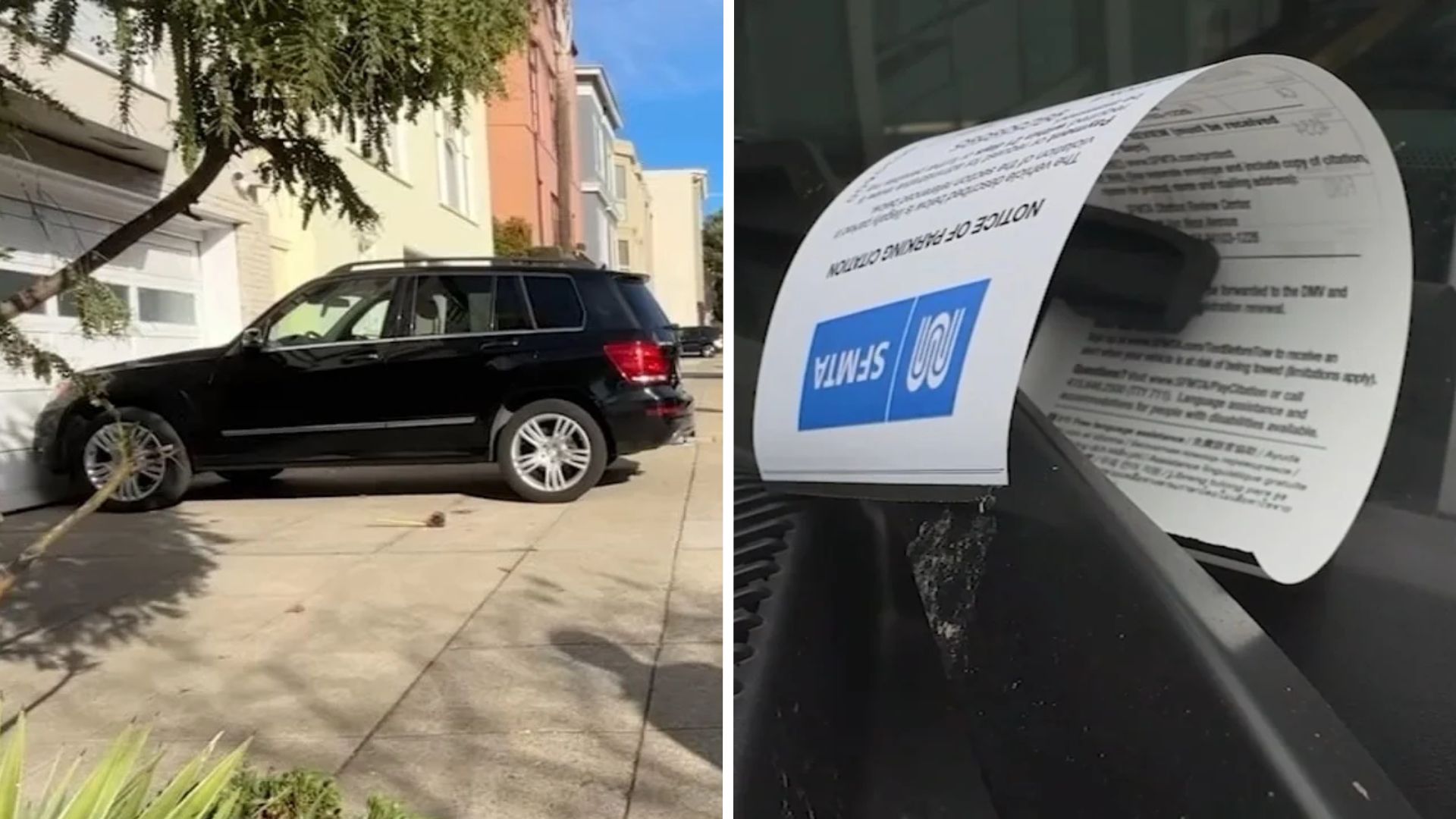
MORE: Why are SF residents getting tickets parked in their driveway? City says they're breaking the law
SFMTA became the first transit agency in the country to implement a bus-mounted camera system for transit lane enforcement in 2008. Agency officials say the new technology could make the process more efficient.
"Right now, when the parking control officer is giving out tickets, they are watching the entire tape and looking for the violations. So that takes a while, right? But with this particular technology, we're going to be able to identify when the violations happen," said Viktoriya Wise, director of SFMTA's Streets Division.
The proposed technology has drawn attention amid broader concerns about surveillance technology. In the past, organizations such as the Electronic Frontier Foundation have criticized San Francisco's retention of Automated License Plate Reader camera data.
When asked about the new system, the organization said in an email: "We're not going to offer a comment on this."
MORE: SFPD drone livestreams exposed operations online for months, investigation shows
Top Stories


SFMTA said it will own the data collected by the system, not the contractor. The agency also said images will be deleted after 15 days if no violation is identified.
Wise said the use of artificial intelligence will not eliminate human review of enforcement actions.
"One hundred percent. And that is not what's changing about the program. Right now, our parking control officers that are trained in this are reviewing every single ticket, and that will continue to be the case moving forward," Wise said.
SFMTA projects the change could generate about $5 million annually. If approved by the San Francisco Board of Supervisors, the system could be implemented in the summer of 2027.