Stanford researchers successfully grow human brain tissue inside mice in new study
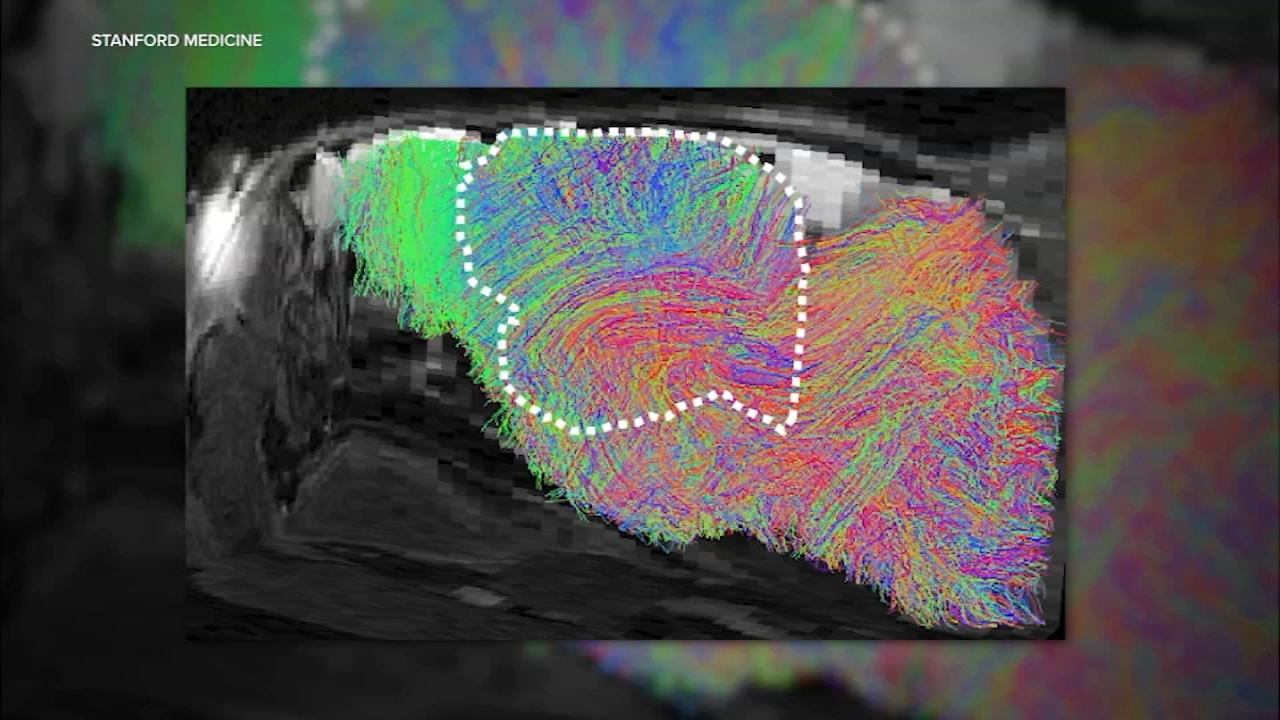


STANFORD, Calif. (KGO) -- A groundbreaking study from Stanford Medicine could provide scientists with a powerful new way to study disorders such as autism spectrum disorder, schizophrenia, epilepsy and cerebral palsy.
Researchers have successfully grown human brain tissue inside specially engineered mice, creating what they describe as one of the most advanced models yet for studying human brain development and disease.
The study, published Wednesday in the journal "Nature," is the result of seven years of work led by Stanford professor of psychiatry and behavioral sciences Sergiu Pasca.
Pasca said understanding the biology of psychiatric and neurological disorders has long posed a challenge because living human brain tissue is largely inaccessible.
"The human brain, which is likely the source for these conditions, is not accessible. Unlike other organs and for other branches of medicine, the human brain cannot be probed or tested in a living individual," Pasca said.
MORE: Stanford lab using fungi to upcycle food waste
To overcome that obstacle, researchers transplanted laboratory-grown human brain tissue into mice. The human tissue survived, grew and formed connections with the animals' nervous systems.
Pasca said the approach gives researchers a way to study aspects of human brain function that were previously out of reach.
"Now we can have human cells integrate into the nervous system to the extent that they can. But enough so we can start gaining access to features of brain function we would not have access before," he said.
The new model also allows scientists to use cells carrying a patient's own genetic makeup, offering researchers a way to better understand how brain disorders develop and progress.
Researchers said the advancement could help accelerate the development and testing of therapies for brain-related conditions.
Top Stories



MORE: Pancreatic cancer drug may hold promise for lung cancer as well, early study suggests
"If you think how cancer medicines have been developed. By taking out the cancers and then testing in the lab all types of chemicals and therapeutic strategies," Pasca said.
The study's authors said the model could serve as a platform for testing potential treatments while advancing understanding of complex neurological and psychiatric disorders that affect millions of people worldwide.
"Still a lot of work to be done, but there is some hope that with these models in combination with other approaches, the understanding of these really mysterious conditions of the brain," Pasca said.
Researchers also reported several additional discoveries from the study, including findings related to the effects of low oxygen levels on the brain and the identification of rare nerve cells in laboratory-grown human brain tissue.
The team said the work could help speed research into conditions, including autism, schizophrenia, epilepsy and cerebral palsy, while providing scientists with a new tool to study the human brain in ways that were previously not possible.