What to know about CTE, the brain disease, after NYC gunman's claims


A gunman who killed four people in Midtown Manhattan on Monday night had a documented history of mental health issues, and wrote that he believed he had chronic traumatic encephalopathy (CTE), a degenerative brain disease linked to repeated powerful hits to the head.
There's been discussion for years over the painful effects of head trauma in the sport of football. Concerns over CTE have led to improved player safety protocols from Pop Warner football, all the way to the NFL.
Shane Tamura, the 27-year-old gunman involved in the terrifying ordeal on Monday, claimed in his suicide note that he had the degenerative brain disease. He claimed he suffered those hits from high school football, but those who study CTE say it's critical the public understands the brain disease.

"The behaviors are so complex, CTE does not cause a mass shooting," said Dr. Bob Stern of Boston University CTE Center.
It's not clear if Tamura even had CTE, and police have yet to find evidence that he suffered a traumatic brain injury, sources said.
In fact, no one can get a definitive diagnosis while they are still alive.
The only way to confirm CTE is through an autopsy by specialists who look for specific changes in the brain. Researchers analyze the brain's post-mortem to look for changes to tau proteins, found in neurons, that define CTE.
ALSO WATCH | What is CTE? Dr. Sutton explains
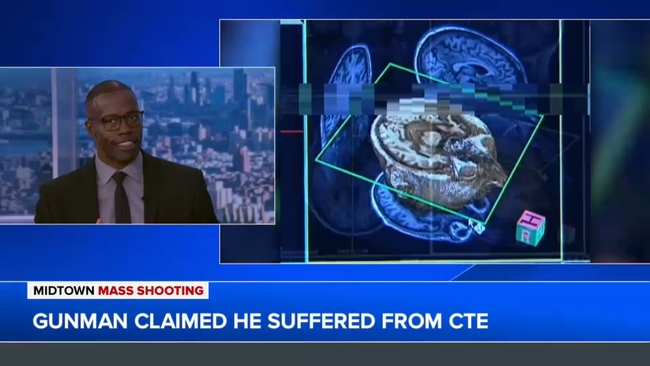
However, Tamura seemingly believed he had it, writing in his note, "Study my brain please... I'm sorry."
"Everything is pretty much a speculation. You can only say that well, someone's had repetitive head injuries for a certain period of time, and they have started developing this behavior and just headed downhill from there," said Dr. Rosanna Sabini of Northwell Health Concussion Program.
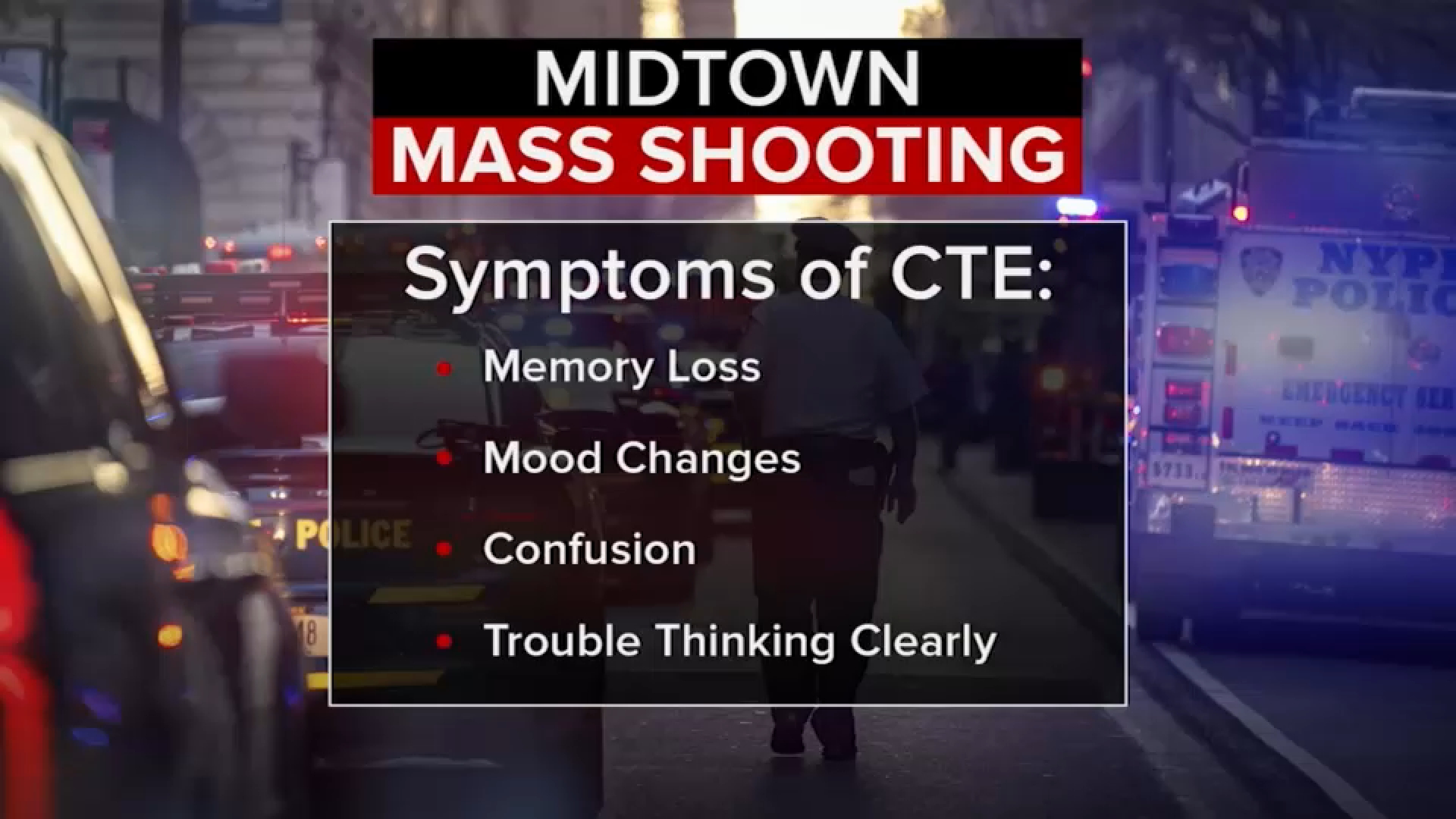
The basic symptoms include memory loss, mood changes, confusion and trouble thinking clearly, but at the Boston University CTE Center, researchers are digging much deeper. They've now studied over 1,500 donated brains, including more than 800 confirmed cases.
Most donors were athletes or military veterans with a history of repeated head impacts.
"Are there genetic factors? Are there special types of hits or types of exposure to the hits that lead to it?" Dr. Stern said.
Perhaps the other big takeaway from this horrific tragedy is that just because doctors can't diagnose this disease, doesn't mean they can't treat the symptoms. So, if you have them, get help.
"There could be pharmacological treatments towards the depression and anxiety that they might be feeling," Dr. Sabini said.
She says therapy could also help treat the symptoms.