Hegseth directs troops over 30 to have testosterone checked
Those diagnosed with a deficiency have an option to undergo replacement therapy.
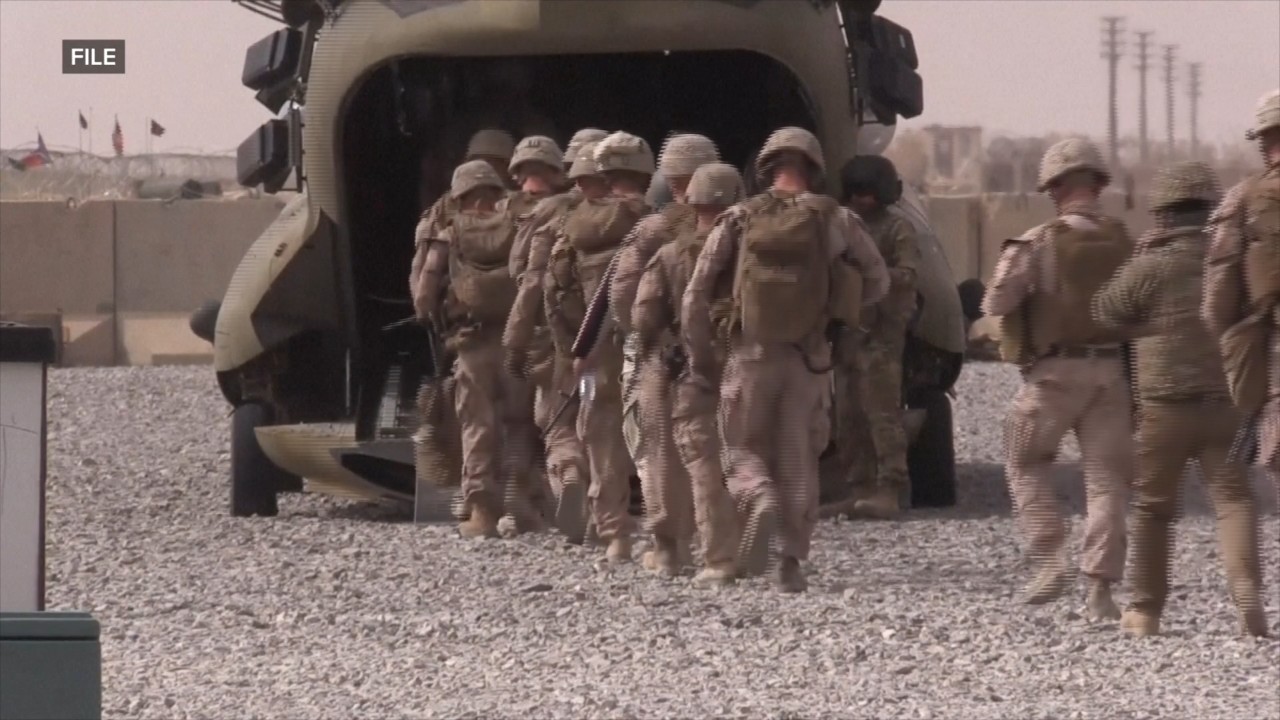

Secretary of Defense Pete Hegseth announced Wednesday that troops will be tested annually for testosterone levels, a significant shift on a health issue that has gained momentum in recent years.
Under the new policy, service members age 30 and older will receive annual testosterone screenings as part of their routine health assessments. Testing will be optional for troops under 30.

Those diagnosed with a testosterone deficiency will have the option to undergo testosterone replacement therapy.
"As we age, testosterone levels often naturally drop," Hegseth said in a video posted to X.
"As we know, the modern battlefield is brutal and unrelenting. It requires and demands maximum psychological and mental readiness. And by addressing these health markers early, we're keeping you on the leading edge of lethality and giving you the same level of support that you give this nation: the absolute best," Hegseth said.
Low testosterone levels have been a concern in the military, particularly in the special operations community, where high stress, extreme physical labor, paired with not getting enough calories, could negatively impact testosterone levels -- though research is still ongoing.
A very small percentage of men have a medical condition called Testosterone Deficiency. However, doctors are concerned that the online popularity of "low-T" as a medical problem creates a false impression that this is a bigger problem than it really is.
Some 2% of men may have it, according to theAmerican Urological Association. Though the full scope of the issue is unclear, and there are different thresholds used to measure whether someone has a deficiency. Testosterone issues are most common among older men, and those with diabetes or obesity.
Testosterone prescribing has tripled in recent years, but a lot of that prescribing is happening incorrectly, with some studies suggesting that up to 25% of men who receive testosterone therapy do not have their levels properly tested, according to the American Urology Association.
The American Urological Association estimates up to a third of men who are put on testosterone therapy do not meet the criteria for a medical diagnosis, telling ABC News in a statement "a testosterone deficiency diagnosis requires both symptoms and/or signs of low testosterone and at least two separate early-morning total testosterone measurements demonstrating low testosterone levels."
Meanwhile, up to a third of men who are put on testosterone therapy do not meet the criteria for a medical diagnosis.
The new Pentagon policy comes as issues related to fitness have been front and center of Hegseth's tenure, with the military services making adjustments to their respective fitness tests and how they measure body fat on troops.
Service members have long had access to testosterone testing and replacement therapy through Tricare, the health insurance program for military personnel and their families. But the screenings have never been part of the military's annual health assessments, which have traditionally focused on vaccinations, vision and hearing tests, and other routine medical evaluations.
It's unclear what testosterone levels the Pentagon would find acceptable. It's also unclear whether troops with lower levels could face professional consequences.
The military already uses medical standards that can affect a service member's ability to deploy, such as to combat zones. Troops with unresolved dental issues, for example, can be deemed non-deployable, a designation that can limit assignments and, over time, have significant career consequences.
Testosterone levels naturally decrease with age by about 1% each year after age 30, though they do not severely deplete, according to theEndocrine Society.
Among men with age-appropriate testosterone levels, boosting testosterone is not approved by the Food and Drug Administration as a way to improve strength or athletic performance, according to the Endocrine Society. There is no robust data to suggest it can help as a longevity tool.
Doctors say that more testosterone is not necessarily better. In fact, using testosterone when you do not have a testosterone deficiency can lead to health problems. Potential risks range from mild to severe, including acne, worsening sleep apnea, breast swelling or infertility, studies suggest.