Measles cases surpass 1,000 in Pennsylvania amid the state's largest outbreak in decades
At least 198 people have been hospitalized so far, department data shows.
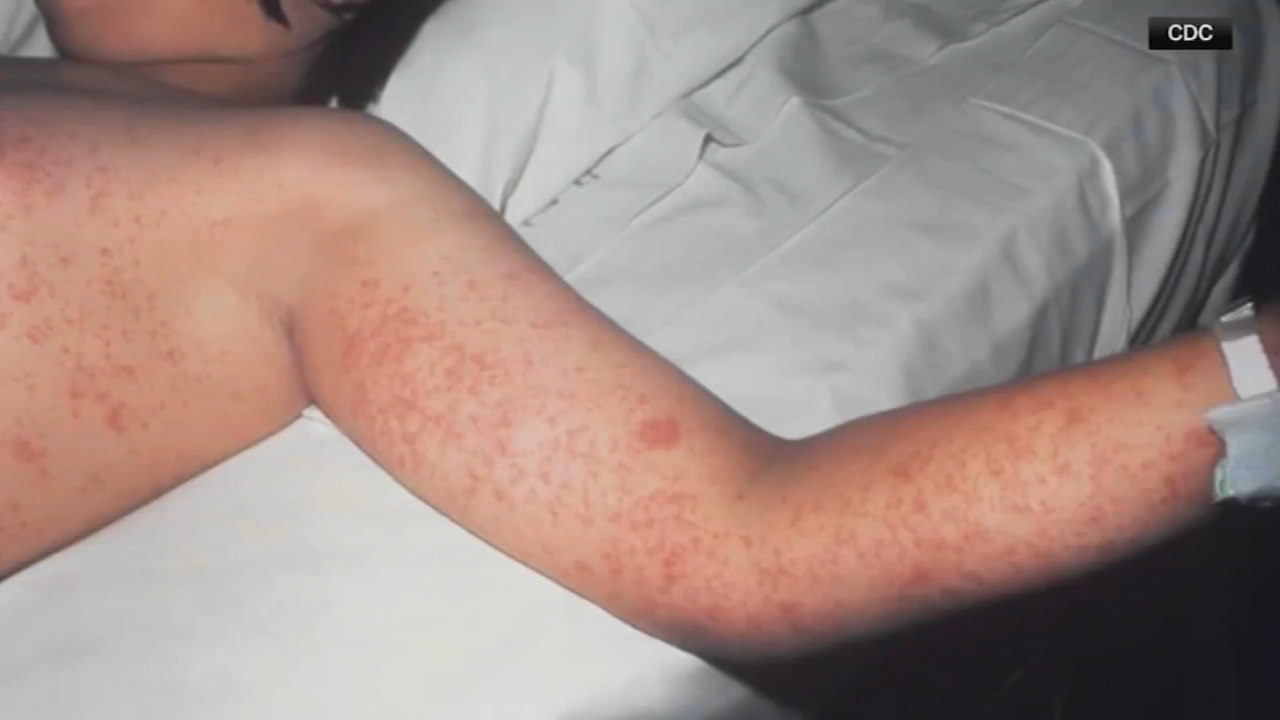

Measles cases in Pennsylvania have surpassed 1,000 so far this year as the state continues to battle its largest outbreak in decades.
Monday's update from the Pennsylvania Department of Health (DOH) brings the total number of 2026 measles cases in the state to 1,004 across 39 counties.
At least 198 people have been hospitalized, and five measles-associated deaths have been reported, DOH data shows.
Two of the deaths were among unvaccinated adults: an 18-year-old and a 40-year-old. The other two deaths were among infants who were too young to have received the measles, mumps, rubella (MMR) vaccine.
The fifth death occurred in an unvaccinated resident of Lancaster County, in southeastern Pennsylvania, but it is unclear how old the individual is. Lancaster County is the epicenter of the state's outbreak, with 391 cases confirmed so far.
Fewer than 1% of the state's cases are among those who are fully vaccinated with the MMR vaccine, according to DOH.
Last week, following confirmation of the fifth death by the Pennsylvania health department, the Centers for Disease Control and Prevention (CDC) told ABC News in a statement it was "deeply saddened to hear of another death" in the state.
"Under Secretary [Robert F.] Kennedy's leadership, CDC has mounted an aggressive response tomeaslesoutbreaks across the country. Texas, South Carolina, Virginia, Kansas, New Mexico, and Wisconsin requested CDC Epi-Aids and worked alongside federal teams to help bring their outbreaks rapidly and successfully under control," the statement read.
"CDC has not received a formal Epi-Aid request from Pennsylvania. If requested, CDC stands ready to deploy epidemiologists to support the state's identified needs," the statement continued.

A CDC Epi-Aid is a rapid, short-term field investigation from the federal health agency of an "urgent public health problem." The Epi-Aid provides resources such as, but not limited to, increasing the workforce available for rapid response and building epidemiologic capacity, according to the CDC.
Meanwhile, measles cases in the U.S. have surpassed 3,800 so far in 2026, with cases confirmed in 45 states and Washington, D.C., according to the latest data from the CDC. It's the highest number of illnesses since 1991.
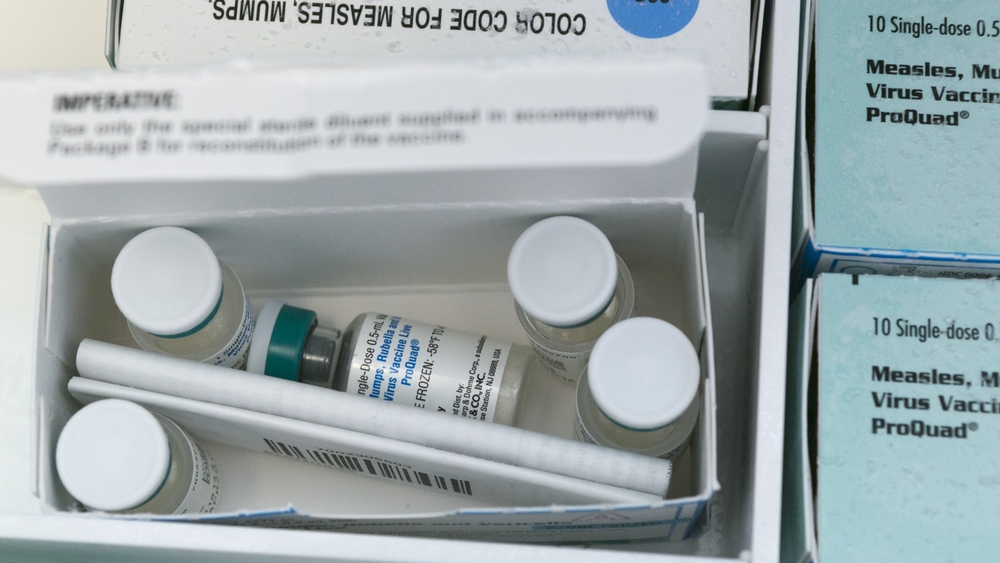
The CDC currently recommends that people receive two doses of the MMR vaccine, the first at ages 12 to 15 months and the second between 4 and 6 years old. One dose is 93% effective in preventing measles infection and two doses are 97% effective, the CDC says.
Infants aged 6 to 11 months living in or traveling to high-risk outbreak areas may receive an early third dose of the MMR vaccine.
However, CDC data shows vaccination rates have been lagging in recent years. During the 2025 to 2026 school year, 92.4% of kindergartners received the MMR vaccine, according to data. This is lower than the 95.2% seen in the 2019 to 2020 school year, prior to the COVID-19 pandemic.
In Pennsylvania, more than 8,800 doses of the MMR vaccine have been administered by DOH staff. Of those doses, about 3,500 were administered in August and more than 2,500 were administered in September.
ABC News' Youri Benadjaoud contributed to this report.