Mamdani signs law ending NYC horse-drawn carriage industry after man's death in Central Park crash
18-year-old died after horse-drawn carriage crash
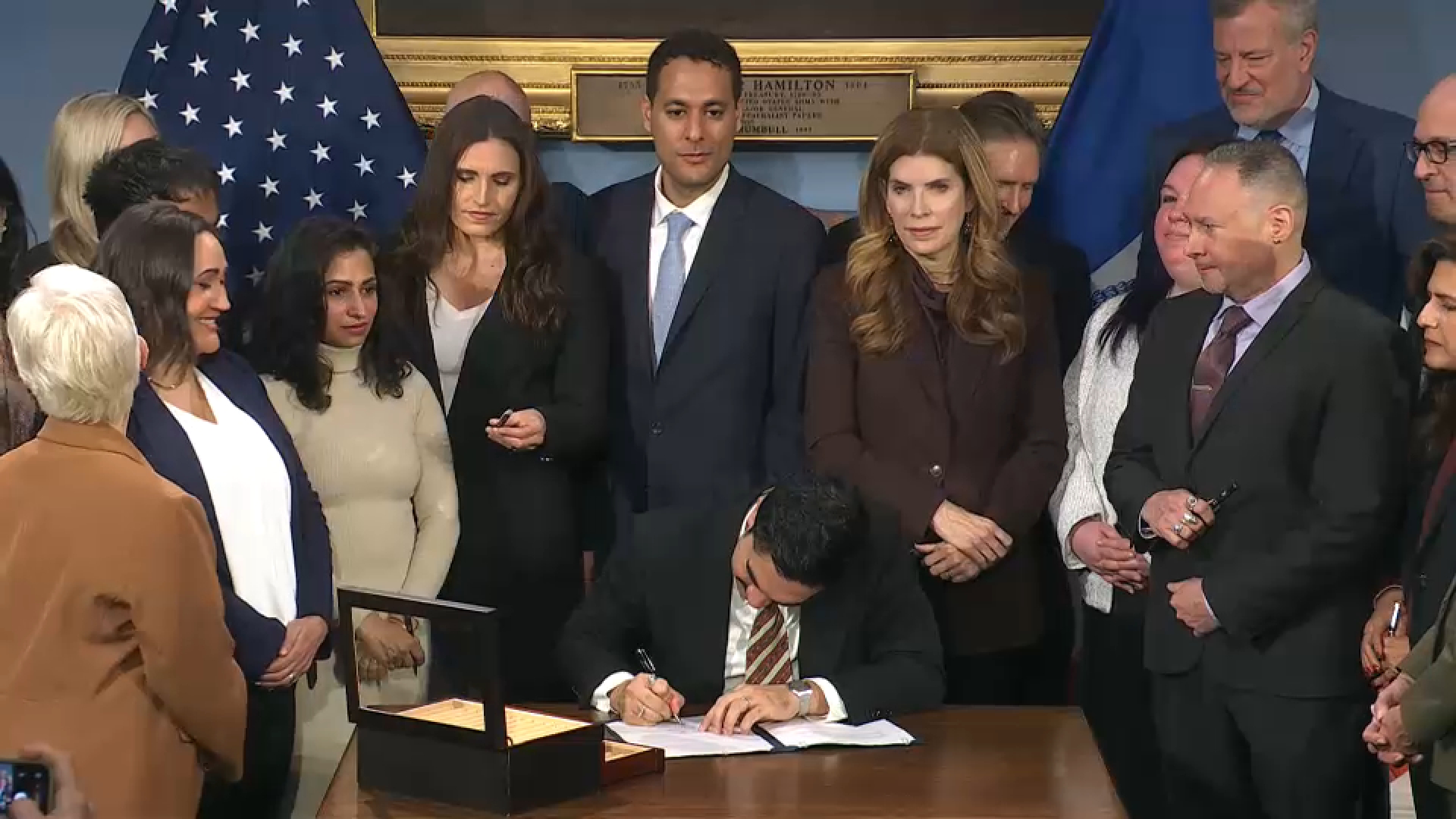

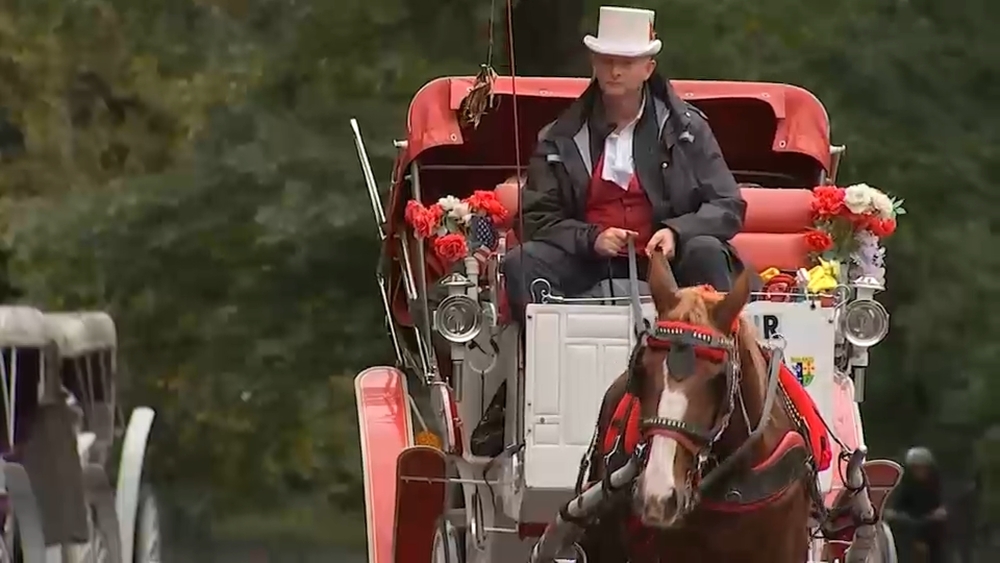
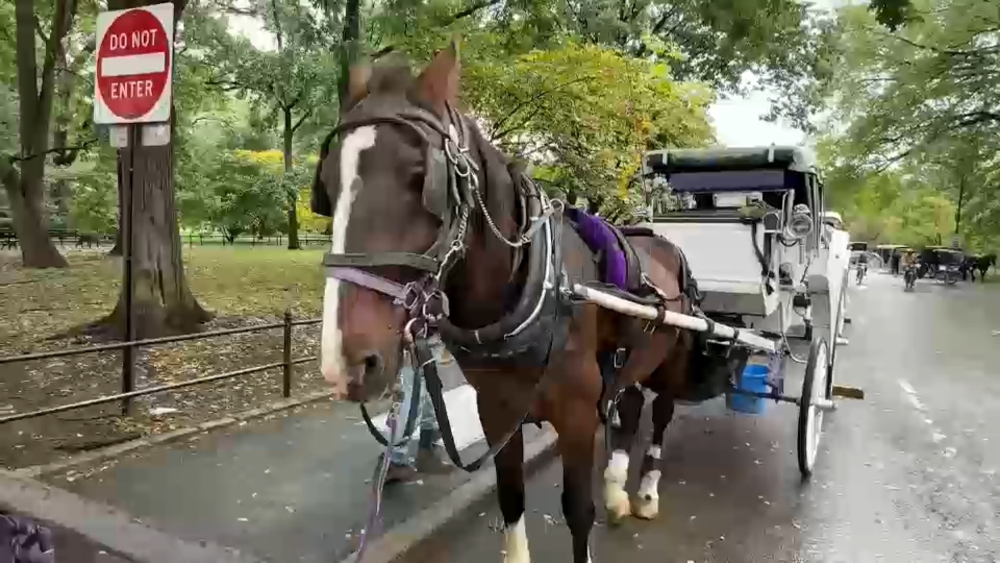
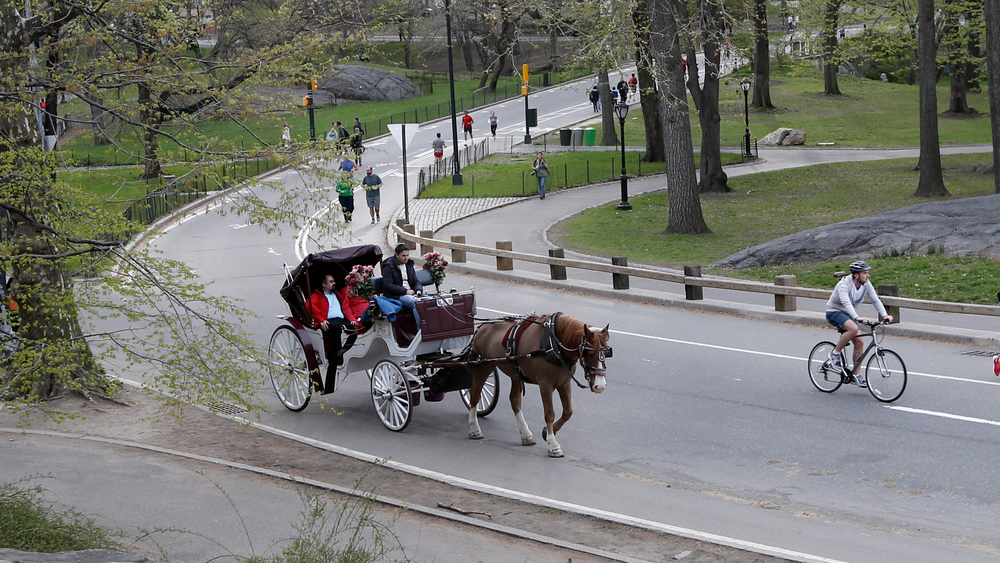
NEW YORK -- Mayor Zohran Mamdani signed legislation Thursday that will phase out New York City's horse-drawn carriage industry, setting a June 1, 2028 deadline for carriages to stop operating on city streets.
Known as Romanch's Law, the measure is named for Romanch Mahajan, an 18-year-old who died following a horse-drawn carriage crash in Central Park in June.
Mayor Mamdani said that after talking to Romanch's parents, they want people to remember him as he lived, "He was an avid sneaker collector and the best friend of his younger brother."
"For 150 years, horse-drawn carriages have been a fixture of Central Park. Today, we are bringing that chapter to a close," Mamdani said in a statement ahead of the bill signing. "This industry will come to an end, and we have a responsibility to the workers whose livelihoods depend on it."
Mamdani said that he has the utmost respect for carriage drivers and he has heard their stories.
Each horse will be taken care of, and the city will keep track of to where each horse is retired, the mayor said.
City Hall says about 200 workers, including carriage drivers, stable hands and medallion owners, will be affected by the phaseout. The administration plans to offer support through medallion buybacks, workforce development programs and career services. A full transition plan is expected by April 2027.
Council Member Chris Marte, who sponsored the legislation, called it "a law that protects horses and passengers and requires the city to help carriage workers move into new livelihoods."
"No more lives will be lost to this tourist attraction," Marte said during the press conference.


Council Speaker Julie Menin thanked Romanch's family for their compassion and courage in working with the City Council on the bill.
"Unless we act, and unless we act with urgency, unless we do something to prevent fatalities in Central Park, this would continue to happen," Menin said.
The administration also plans to study possible alternatives, including electric carriages and pedal-assist vehicles for use in and around Central Park.
Supporters say the law improves animal welfare and public safety while providing assistance to workers as the industry winds down.
Meanwhile the Transport Workers Union filed a class-action lawsuit in Manhattan federal court seeking to have New York City's ban on horse-drawn cab rides in Central Park declared unconstitutional, arbitrary and capricious. A horse-carriage medallion owner and two drivers are also named plaintiffs.
"This bill is an unconstitutional abomination," TWU International President John Samuelsen said. "It strips horse-carriage owners of the city-issued medallions that they purchased for hundreds of thousands of dollars - without mandating or guaranteeing compensation. It prohibits carriage drivers from selling their horses to carriage-ride operators in another city, or even another state where rides are permitted. And that's just the tip of the iceberg. Despite the good intentions of the mayor, the protections he outlined recently should have been written into the legislation."