Texas carries out nation's first execution since Christa Pike's failed lethal injection
Howard was convicted of killing a woman during a 2000 store robbery.


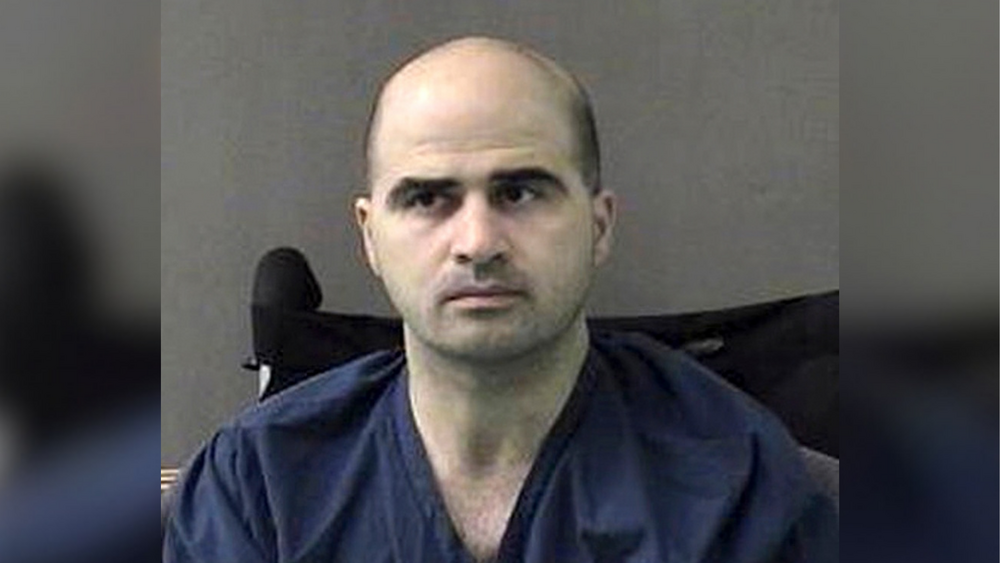
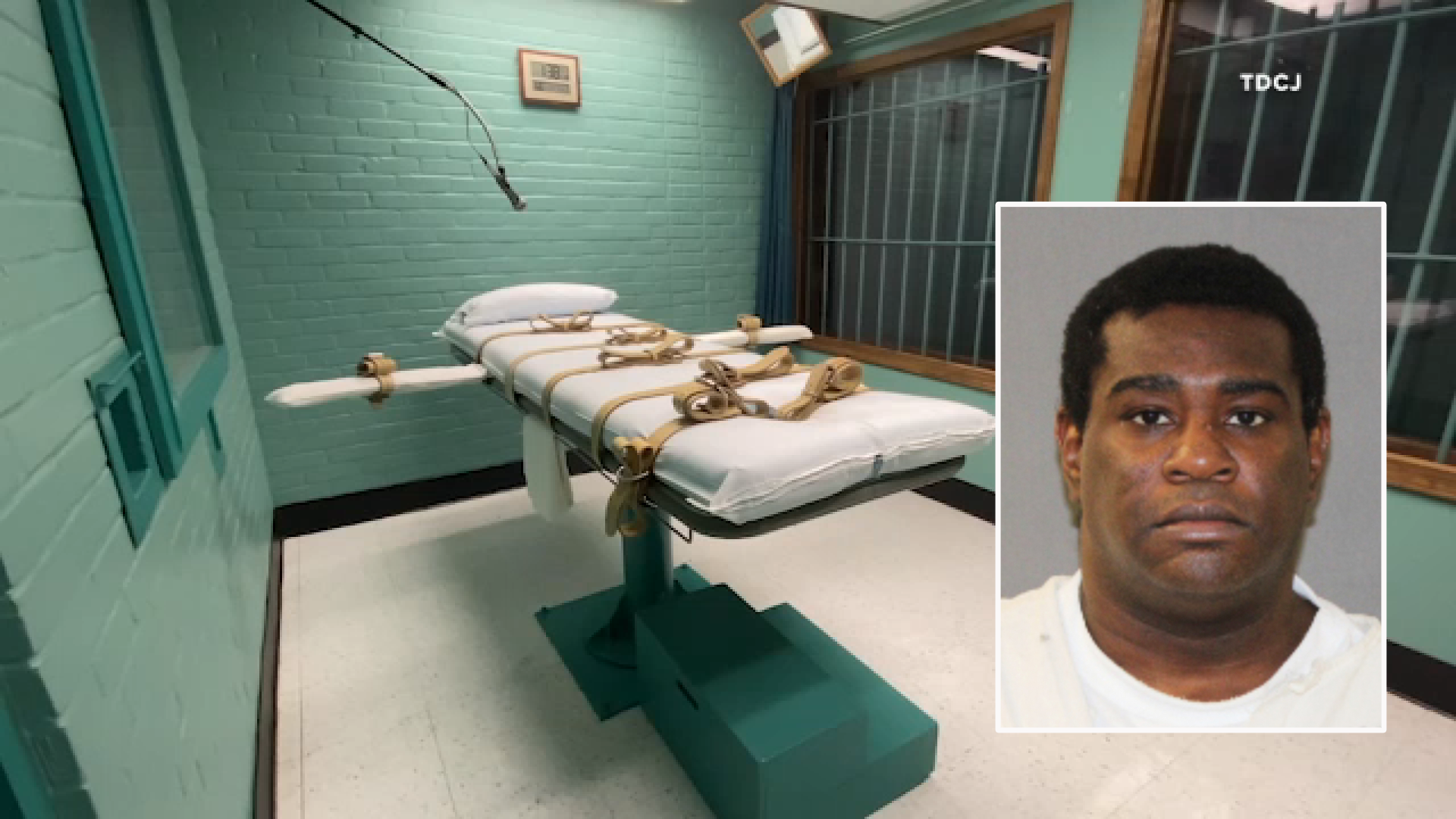
HUNTSVILLE, Texas -- A Texas man who fatally shot a convenience store clerk was put to death Wednesday evening, becoming the 30th person executed in the U.S. this year and the first since Tennessee's failed attempt to administer a lethal injection to Christa Pike.
Jamaal Howard, 46, was pronounced dead at 8:03 p.m. Wednesday after receiving a fatal dose of pentobarbital at the state prison in Huntsville. He was convicted of killing Vickie Swartout, 42, in a 2000 store robbery caught on surveillance video.
Asked by the warden if he had a final statement, Howard apologized profusely to members of his victim's family, who watched through a viewing window just feet from the death chamber.
"I wish that you accept my apology and I wish for your forgiveness," he said, shortly before the injection got underway. "I'm sorry for what happened. I wish you can learn to forgive me one of these days."
Texas has executed six people so far in 2026 and plans two more executions later this year.
Earlier Wednesday, Howard's attorneys unsuccessfully sought to block the execution by arguing that he was intellectual disabled and that he faced risks similar to those in Pike's case because both states use pentobarbital for lethal injections.
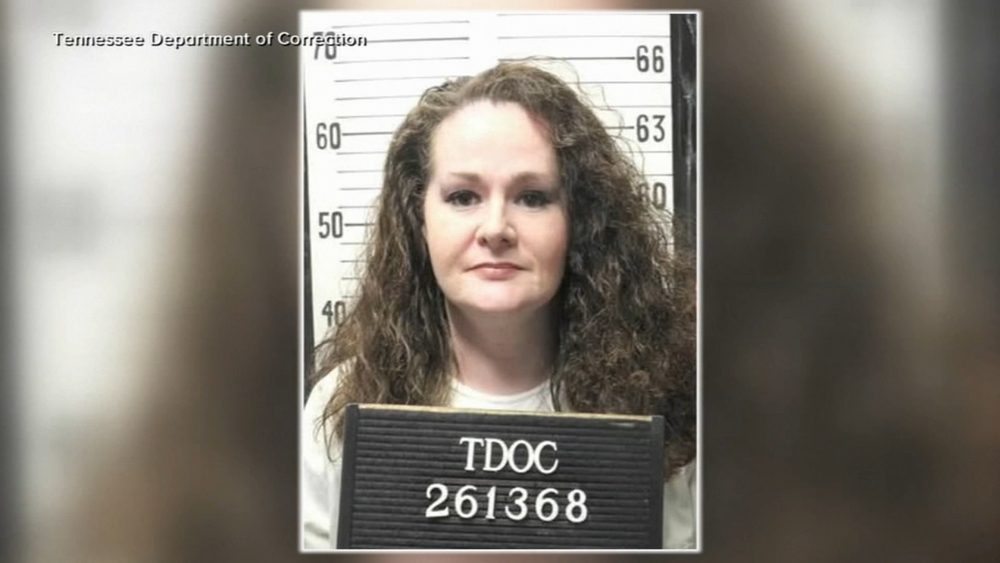
Pike's lawyers are seeking more information about what went wrong after the 50-year-old woman survived two doses of pentobarbital on Sept. 30. Her lawyers said she was unconscious at a hospital after the attempt but was awake and speaking by Tuesday.
Inmate remained 'chatty' on drive to the death chamber
Earlier Wednesday, Howard was "chatty" during the 45-mile (70-kilometer) drive from the death row prison to the Huntsville Unit, where executions are carried out, said Amanda Hernandez, a spokesperson for the Texas Department of Criminal Justice.
"He made small talk with the officers through the whole trip" before being taken to a holding cell near the death chamber, she said. "He was asking questions and was very engaged in the process."
Store clerk's killing was caught on surveillance video
Top Stories

Howard was convicted of capital murder in the killing of Swartout, who was shot once in the chest during the robbery. Evidence presented at trial included surveillance video showing Howard shooting Swartout.
Howard, who was 20 at the time, took $114 and a carton of cigarettes from the store in Silsbee, a small, rural town about 100 miles (160 kilometers) northeast of Houston, according to court records.
Man's attorneys filed late appeals bidding to stop execution
In bidding to halt Howard's execution, his attorneys filed a motion before the Texas Court of Criminal Appeals raising concerns about the quality of Texas' execution drugs. The court denied that request and a second filing involving the drugs without comment.
His attorneys also argued unsuccessfully to the U.S. Supreme Court that Howard's execution should be halted because he was intellectually disabled. The Supreme Court in 2002 had barred the execution of intellectually disabled people. But it has given states some discretion in how they determine such disabilities.
The state told the court that Howard's lawyers did not present evidence that would show he meets the requirements for a claim of intellectual disability.
The high court late Wednesday declined to intervene, without comment, clearing the way for the execution.
Florida leads the nation in executions this year
Florida has carried out 16 executions so far this year, the most of any state. Most states that allow executions use lethal injection as their primary method.
Tennessee's Republican Gov. Bill Lee has halted the one remaining execution that was scheduled to be carried out in his state this year.
Stengle reported from Fort Worth, Texas.