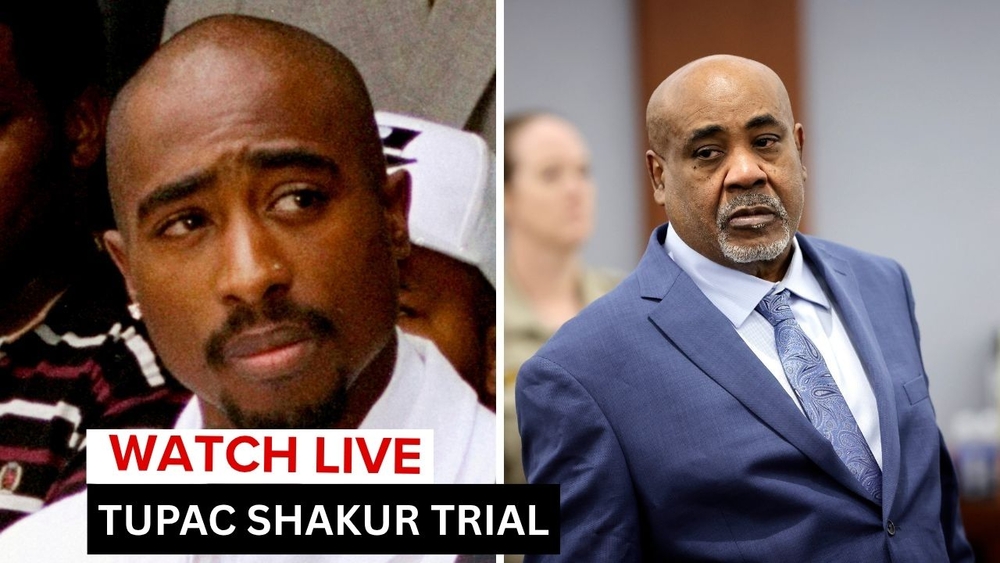
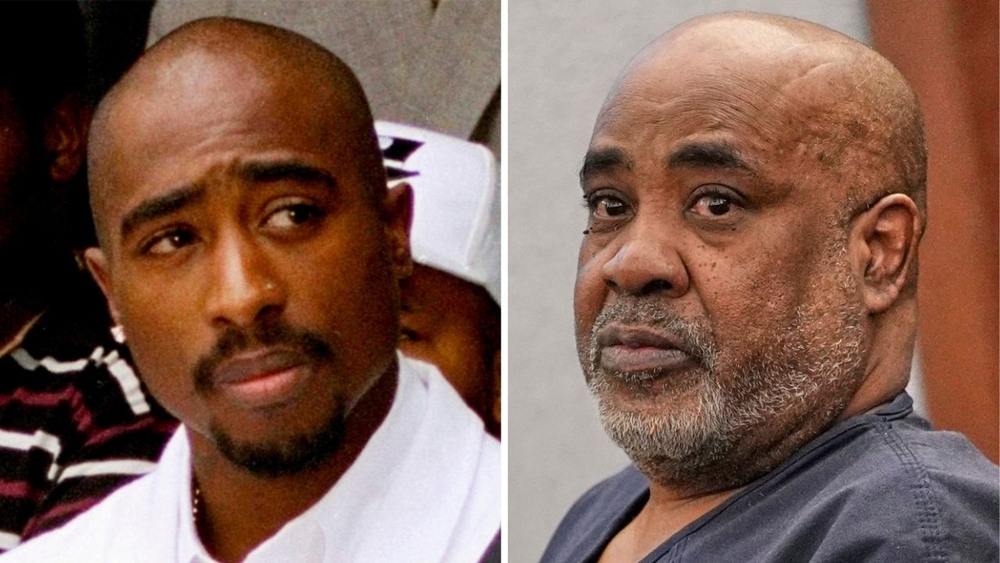
Tupac Shakur murder trial: Prosecutors rest, putting Duane Davis' defense up next
24 witnesses were called in the trial.


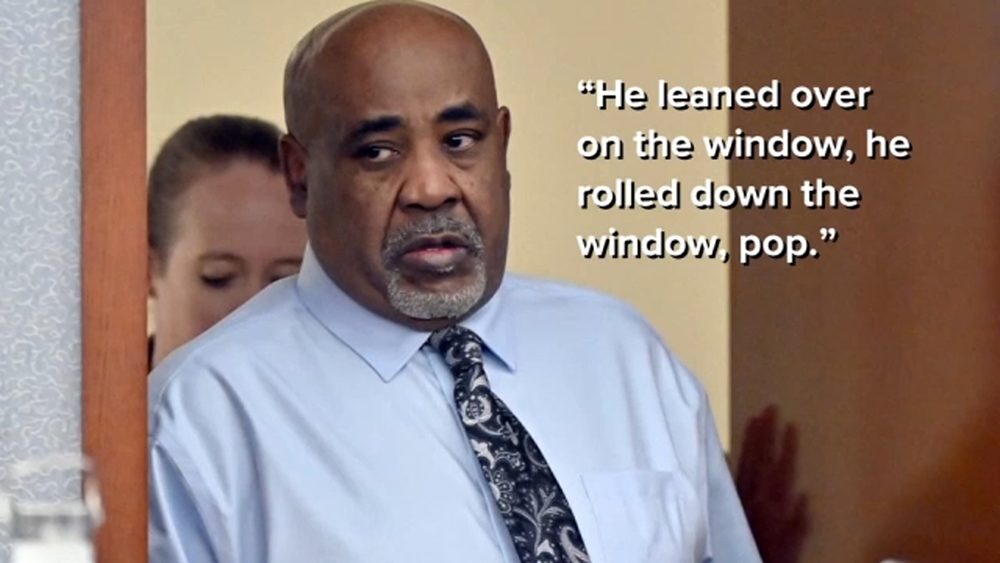
LAS VEGAS -- Prosecutors rested their case Wednesday in the murder trial of Duane “Keffe D” Davis after calling 24 witnesses in the nearly 30-year-old killing of Tupac Shakur.
Their final witness presented jurors with clips from Davis’ past interviews and recorded jail calls. In one call after his 2023 arrest, Davis complained that authorities were trying to use his statements against him and said he should have stopped doing interviews.
“They're trying to use my words against me,” Davis said in one call played for jurors.
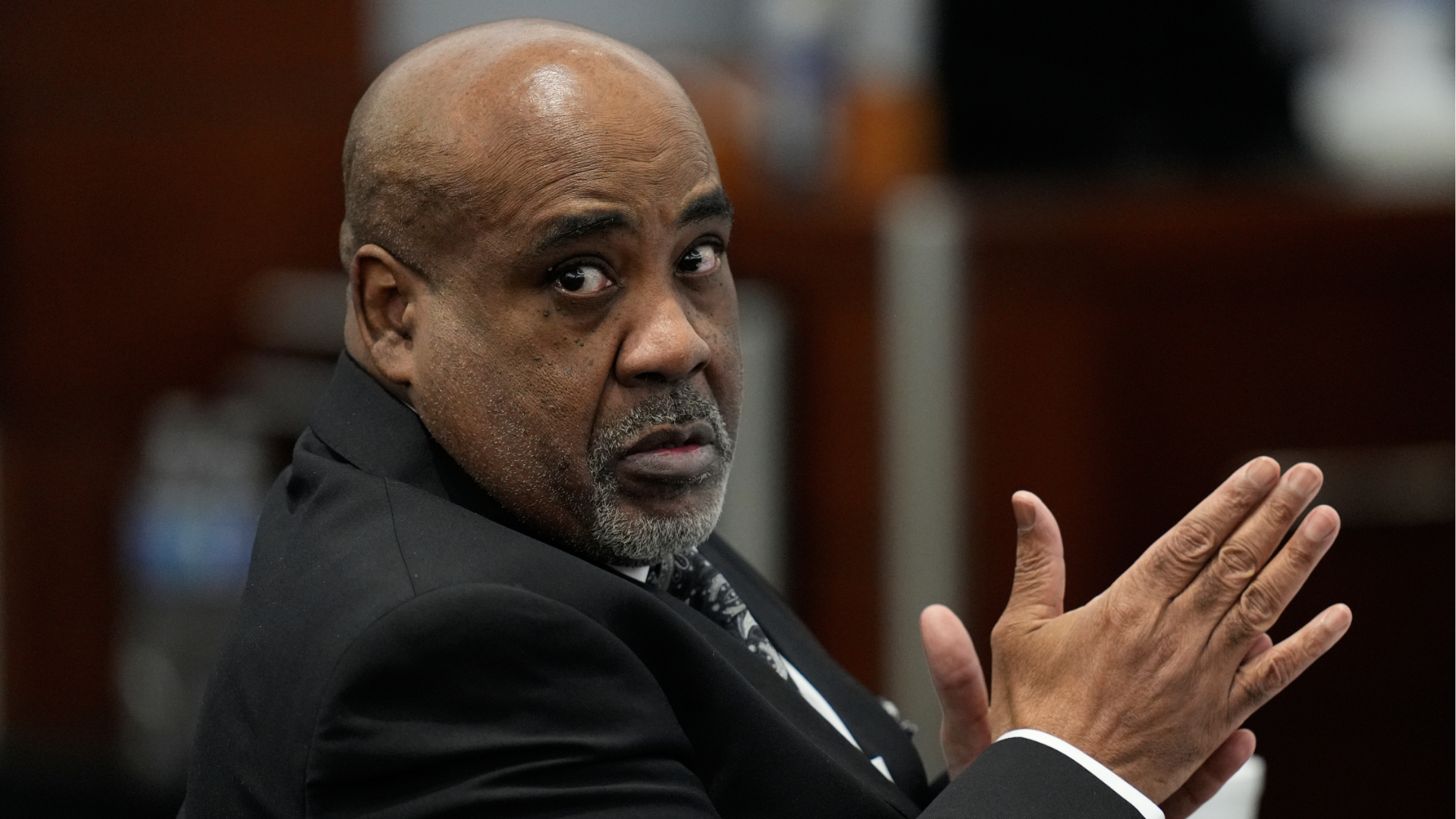
In a YouTube clip, Davis held up his book and encouraged viewers to buy it to “get the real truth.”
The defense is expected to begin presenting its case Thursday, with attorney Michael Sanft telling the judge he has a detective and two police officers lined up to testify. Davis is still deciding whether to testify in his own defense.
A former Compton gang detective testified Tuesday that Davis was a high-ranking “shot caller” whose authority meant younger gang members would not have opened fire on Shakur with Davis present unless he allowed it.
Robert Ladd, a former Compton police officer who spent years investigating gang homicides, described Davis as a leader of the South Side Compton Crips who could order younger members to act.
Prosecutors have not accused Davis of firing the shots that killed Shakur in Las Vegas nearly 30 years ago. Instead, they allege Davis orchestrated the shooting in retaliation for a casino brawl hours earlier involving Shakur and Davis’ nephew, Orlando “Baby Lane” Anderson. Under Nevada law, someone who helps another person commit murder can be convicted of the crime.
Ladd testified that Shakur's shooting triggered a 10-day war in Compton between the South Side Crips and Mob Piru, resulting in three killings and 10 attempted murders.
Davis has said in past interviews that he was riding in a white Cadillac with Anderson and two other men when they pulled alongside Shakur and Death Row Records co-founder Marion “Suge” Knight in a black BMW. In a 2008 police interview played for jurors last week, Davis said he provided the gun and Anderson opened fire.
Asked Tuesday who would have been the leader among the four men in the Cadillac, Ladd answered, “Mr. Davis.”
Ladd said that Anderson, a younger-ranking gang member, could not have opened fire with Davis in the car without Davis' permission. If Davis had told the others to handle the dispute later, Ladd testified, “there wouldn’t have been a shooting.”
Sanft emphasized the lack of physical evidence supporting that theory. Ladd acknowledged that, aside from Davis’ own admissions, he had no physical evidence placing Davis in Las Vegas that night and no phone records showing Davis ordered the shooting.
Ladd said investigators collected bills and letters from Las Vegas hotels in Anderson’s and Davis’ residences, but they didn’t know when they were dated, or the current location of that evidence.
Prosecutors have argued that Davis’ own words are central to their case, while Sanft has characterized his client’s accounts as fabricated bravado and accused investigators of failing to corroborate them.
___
Associated Press Entertainment Writer Jonathan Landrum Jr. reported from Los Angeles.