Lawmakers question California's legal protections as alleged squatters occupy $4M SF home
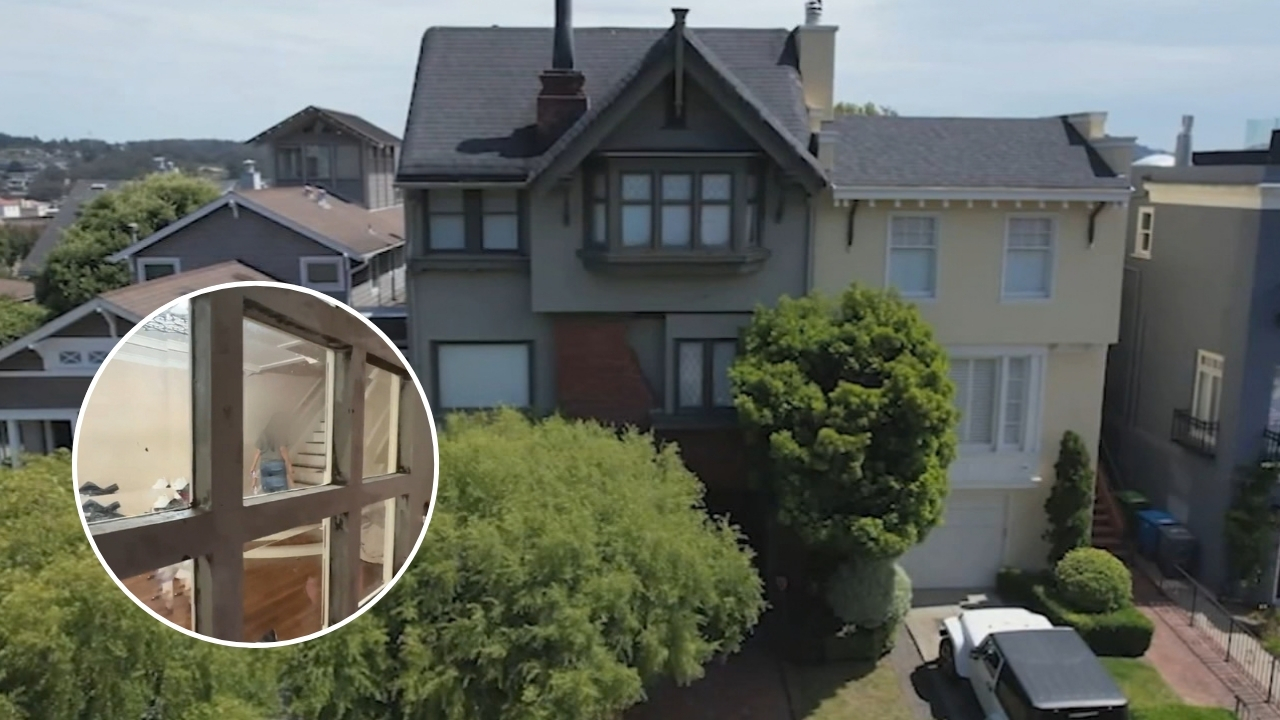


SAN FRANCISCO (KGO) -- Lawmakers are responding to a 7 On Your Side investigation that uncovered what the city attorney is calling an "unlawful scheme" of "fraud."
It involves alleged squatters... alleged forged deeds... and a $4 million home in San Francisco's Sea Cliff neighborhood.
So, what's being done to prevent this? 7 On Your Side investigated whether California has enough legal protections for property owners.
PREVIOUS STORY: 'Get them out': Alleged squatters take over $4.4M SF property, neighbors wait for city to act
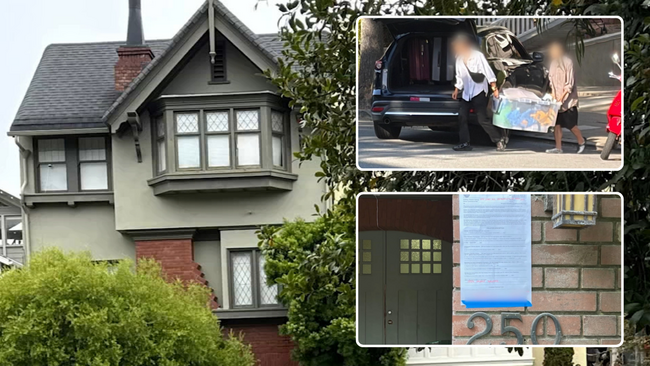
Families who live next door say they reported this problem for a year. But in states like Georgia, the people accused would have had to prove they belong there within 72 business hours.
A judge has granted a temporary restraining order against two alleged squatters who authorities say appear to have taken over this $4 million home in San Francisco's Sea Cliff neighborhood for a year.
"We went to court... to ensure that these two fraudsters who are trying to steal the property from each other and from the rightful property owner don't have the ability to either transfer or sell the property during the course of this lawsuit," said city attorney David Chiu.
Stephanie Sierra: "Why did it take a year to file this?"
City Attorney David Chiu: "This was brought to my attention in July... I understand that there were a number of other city agencies looking into this... But we felt that we had to act."
Records show neighbors made dozens of complaints about the alleged fraud starting last September.
But it wasn't until this month that the city attorney filed a lawsuit.
The San Francisco City Attorney's Office filed a lawsuit against the alleged squatters this month -- the only city agency to take action after records show dozens of complaints were filed to numerous city agencies a year ago.
"They need to get them out," one neighbor said.
That might be possible in states like Florida, Alabama, Tennessee, Texas, South Carolina and Georgia -- which have all recently passed anti-squatting laws allowing law enforcement to remove unauthorized occupants.
For example, the Georgia Squatter Reform Act requires anyone accused of squatting to produce a valid lease or proof of legal residency within 72 business hours or face arrest and removal.
But not every squatter case looks like the Sea Cliff dispute. Lawmakers say the term can cover anything from alleged fraud to someone who simply fell behind on rent.
"California has work to do when compared to these other states. What gaps do you see in the law today?" Stephanie Sierra asked Orange County state Sen. Tom Umberg (D-Orange County).
Umberg authored legislation this year that would've enabled a faster process for property owners to remove trespassers or squatters and reclaim their property. It would've also allowed law enforcement to act and imposed penalties for fraud.
Sen. Umberg: "Stephanie, I think you've pinpointed it -- the gap is that we treat squatters the same as someone who simply overstayed their lease. We need to address them as trespassers, as those who never had a right to occupy the premises and should be basically removed, if necessary. Forcibly removed. If they don't leave... then the law enforcement authorities need to remove them."
Umberg's bill aimed to close what he says are legal loopholes that allowed trespassers to remain in properties for months or years through forged documents or false claims of rights, forcing owners into slow, costly eviction proceedings. It would've enabled a faster removal process and imposed penalties for fraud. It passed every committee, but died before reaching a Senate floor vote.
Sierra: "Why do you think it failed?"
Umberg: "I'd like to think it was a misunderstanding. A misunderstanding whether we're talking about someone who can't pay their rent... and had been lawfully occupying the premises... versus someone who found a vacant home -- in this case in Sea Cliff, a very valuable home."
Assemblymember Carl DeMaio (R-San Diego) introduced another bill that would've made unlawful squatting a misdemeanor, allowed the courts to intervene and also would've given law enforcement more authority to investigate and remove alleged squatters.
But it also failed.
"Under current California case law and how law enforcement treats squatters... the squatters are the ones that are given the rights. The squatters are being protected... we're the only state in the nation that bends over backwards to protect squatters," said DeMaio.
Sierra: "Why do you think your bill failed?"
DeMaio: "You have politicians in charge of our state legislature who come from the far left and they believe that... criminals should have more rights than the victims of the crimes. Let's not sugarcoat it. People say well, isn't that partisan? Well I'm sorry... it's coming from one side of the political spectrum. If people want to continue to vote for that. OK, fine."
Three Democrats voted against the bill... and four other Democrats were absent for the vote, including Assemblymember Matt Haney.
"This bill is unnecessary and wasteful of our state's resources," said Yarrow Neubert of the California Public Defenders Association.
Some of the main opposing groups argued the legislation could criminalize people who rely on informal housing agreements and may exacerbate the homeless crisis.
The failure of both bills highlight growing tension between property rights and homelessness concerns in California.
But according to lawmakers and City Attorney Chiu, what's happening in Sea Cliff is not a question of an unhoused individual or an unlawful tenant...
Sierra: "You say in this lawsuit this is an act of fraud..."
Chiu: "Yes."
Sierra: "Do you think criminal charges should be filed here?"
Chiu: "That's ultimately up to the San Francisco District Attorney's Office and the San Francisco Police Department... I understand they've been investigating to see whether they can meet their standards."
7 On Your Side's Stephanie Sierra asked District Attorney Brooke Jenkins whether her office will be filing criminal charges.
"We're not going to be filing criminal charges at this time," said Jenkins. "As you can imagine when you're talking about potential real estate fraud it requires an extensive amount of investigation... us being able to prove beyond a reasonable doubt that somebody actually committed a crime and we only get one shot at that apple."
Jenkins says there's double jeopardy that attaches if they file a case that they have not fully investigated.
"Your assistant district attorney started investigating a year ago, is that right?" Sierra asked.
"What I will say is yes, we've been looking into this matter. I don't want to say more," Jenkins said. "We have to take the steps that we need to, the right way."
"How much longer do you think it will take?" Sierra asked.
"There's really no way to predict," Jenkins said.
Meantime, a year later...
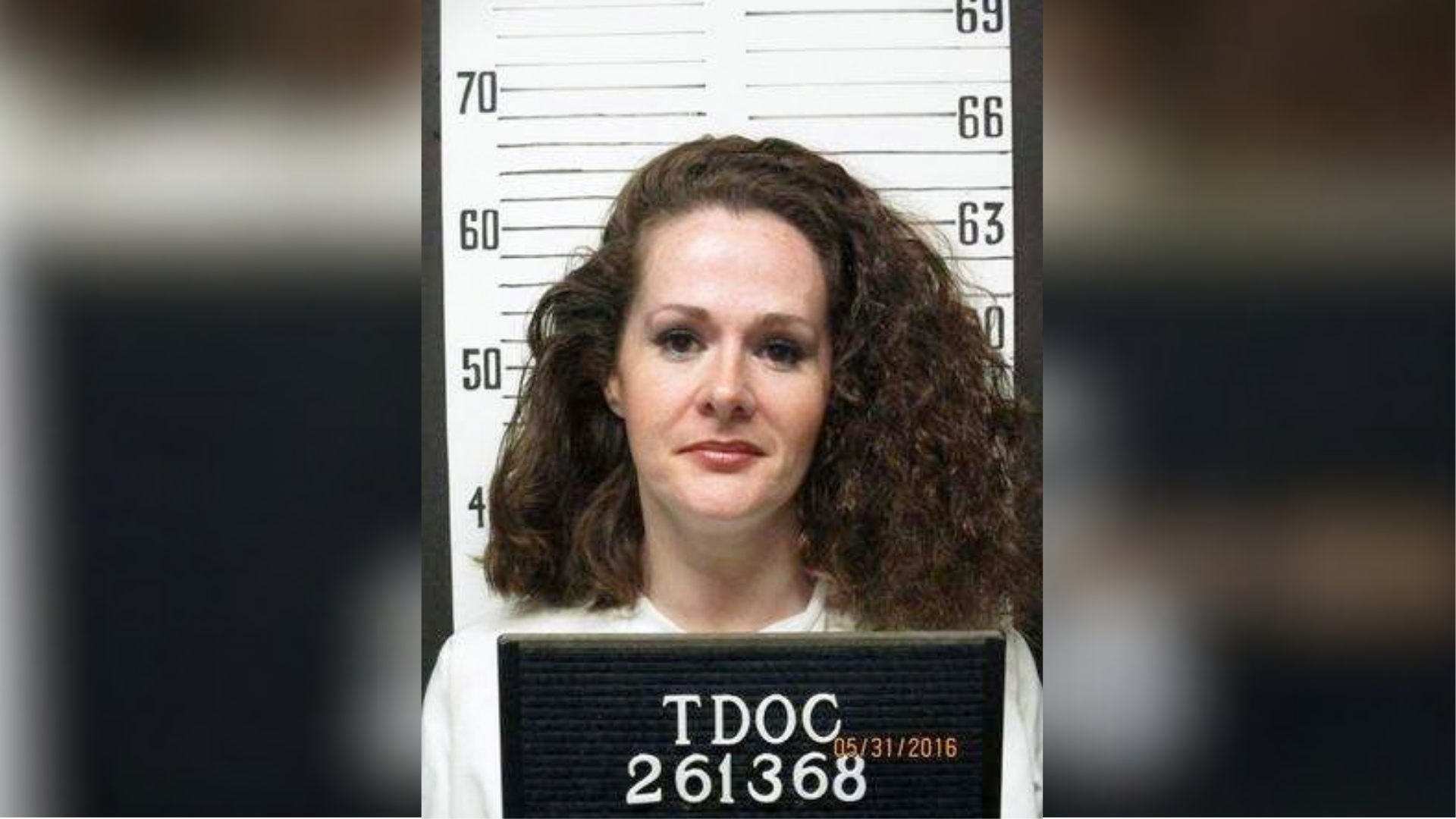
One of the alleged squatters, who police described as having an "extensive criminal history," had her car parked back in the driveway.
Sierra: "Do you think the laws need to change?"
Jenkins: "I certainly think the law needs to take into account what we need as law enforcement in order to do our jobs."
Chiu: "Certainly there needs to be more work done here... when it comes to our laws. Clearly a number of city agencies have looked at this and wanted to take action but there haven't been enough legal grounds to do that... So this was a wakeup call for many of us."
The lawmakers 7 On Your Side spoke with say they plan to keep pushing for changes next year.
Meanwhile, the civil case returns to court in October.
D.A. Jenkins added part of the challenge with this case is you need to have cooperation with all the stakeholders... and as we've reported, investigators say the original property owner has been unreachable.
Take a look at more stories and videos by 7 On Your Side.
7OYS's consumer hotline is a free consumer mediation service for those in the San Francisco Bay Area. We assist individuals with consumer-related issues; we cannot assist on cases between businesses, or cases involving family law, criminal matters, landlord/tenant disputes, labor issues, or medical issues. Please review our FAQ here. As a part of our process in assisting you, it is necessary that we contact the company / agency you are writing about. If you do not wish us to contact them, please let us know right away, as it will affect our ability to work on your case. If we are able to assist, we will reach back out to you.