When is too old for jury duty? New CA law to allow those 80 and older to opt out
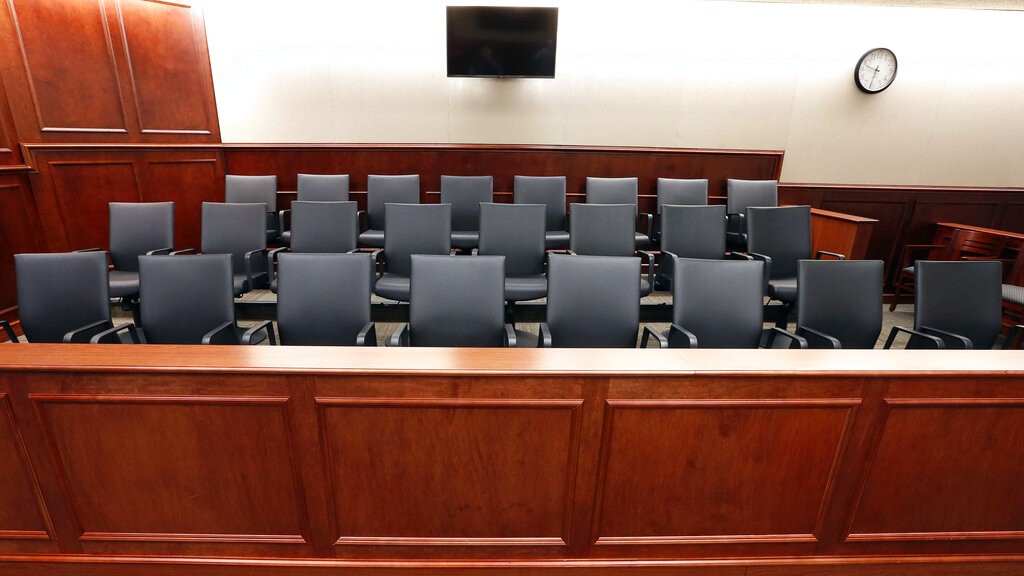

SAN FRANCISCO (KGO) -- A new California law allowing residents 80 and older to permanently opt out of jury duty without documentation is prompting a broader conversation about aging, public service and when people should step aside from civic responsibilities.
The legislation, AB 1359, was inspired in part by concerns raised by former Santa Clara County Supervisor Dianne McKenna, who said the existing process created unnecessary burdens for older Californians.
"Everybody was supportive all the way through," McKenna said.
The bill, introduced by Assemblymember Patrick Ahrens, passed the Legislature with overwhelming support.
"I rise today to present AB 1359 which is back from the senate on concurrence and respectfully ask for your I vote," Ahrens said during floor debate last August.
The law changes a system that previously required some older adults seeking an exemption from jury service to obtain documentation from a health care provider.
"If you reach a certain age in the state of California, you should be exempt from having to go to jury service," Ahrens said.
McKenna said the requirements posed challenges for older residents, including her husband, who had vision problems and could no longer drive when he received a jury summons.
"I had a deadline, then I had to get it to the court, so I took the letter, had to scan the letter and then upload it to the court and I'm thinking to myself how many people of a certain age can scan something, upload it to the court?" McKenna said.
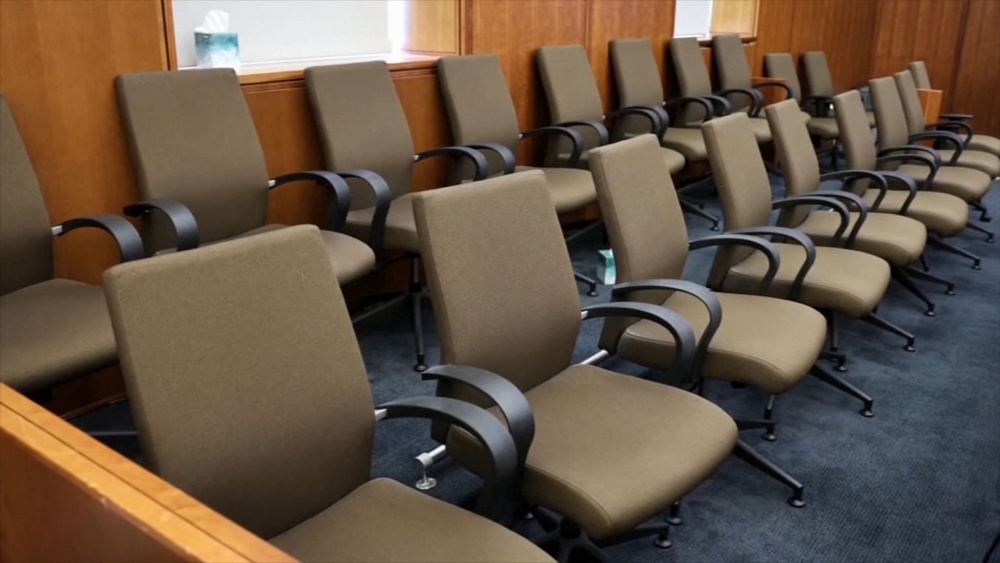
Under the new law, residents 80 and older may permanently remove themselves from jury pools with a one-time request.
"You have to write one time that you no longer wish to serve on a jury, they will honor that and they won't keep calling...you won't be kept getting served. If you want to change your mind after that point, you are allowed to do that," Ahrens said.
The law does not prevent older adults from serving. McKenna said she would still be willing to participate.
"I would serve now. I mean I have no problem. I'm over 80, so I wouldn't have any problems serving on a jury," she said.
Supporters of the legislation included the Alzheimer's Association, which argued the change could help people living with dementia and other cognitive impairments avoid a difficult administrative process.
"Which is characterized by a change in cognition usually memory but sometimes other domains and it's really getting in the way of their being able to function," said UCSF professor and dementia researcher Dr. Kristine Yaffe.
Should there be an age limit on serving in public office?
The law arrives amid a national conversation about aging and leadership. Questions about the cognitive and physical abilities of elected officials have become increasingly prominent in recent years, with scrutiny directed at both President Donald Trump and former President Joe Biden.

The issue has also surfaced in Congress, where both former Sen. Dianne Feinstein and Senate Republican leader Mitch McConnell faced calls to resign after extended absences but remained in office.
Unlike jury service, there are few mechanisms to force federal lawmakers to leave office because of age or declining health.
Supreme Court justices also serve lifetime appointments, though some lawmakers have proposed reforms that would impose term limits and mandatory retirement ages.
Ahrens said he believes public officials should be able to retire with dignity while allowing younger generations to assume leadership roles.
"You should be able to retire and have dignity in your life and enjoy your retirement and let the next generation step up and lead. I don't think people need to be dying in office into their 80s, 90s, 100s," he said.
While the Constitution provides a process through the 25th Amendment for addressing presidential incapacity, it does not impose age-based limits on members of Congress.
For jury service, supporters of the new law argue the stakes are particularly high because jurors are responsible for weighing evidence and determining outcomes that can profoundly affect people's lives.
"I think as a society we need to get better at figuring out how we will have a society with a lot more older people how we will have a society with people who have a lot more medical problems, mobility problems, cognitive problems," Yaffe said.
McKenna said the discussion should not be viewed as a judgment on older adults but rather as a recognition of the realities that can accompany aging.
"There is something about the aging process that is limiting and I think that when we see people who don't know when to retire, it becomes not a good legacy," she said.
Supporters of the law emphasize that the measure is not about excluding older Californians from civic life. Rather, they say it offers flexibility for those who no longer wish to serve while preserving the right of others to remain active participants in the justice system.
Ultimately, the debate raises a broader question facing an aging society: how to balance the value of experience with the practical challenges that can come with advancing age.