DOJ alleges noncitizen voting in California. Here's what evidence shows


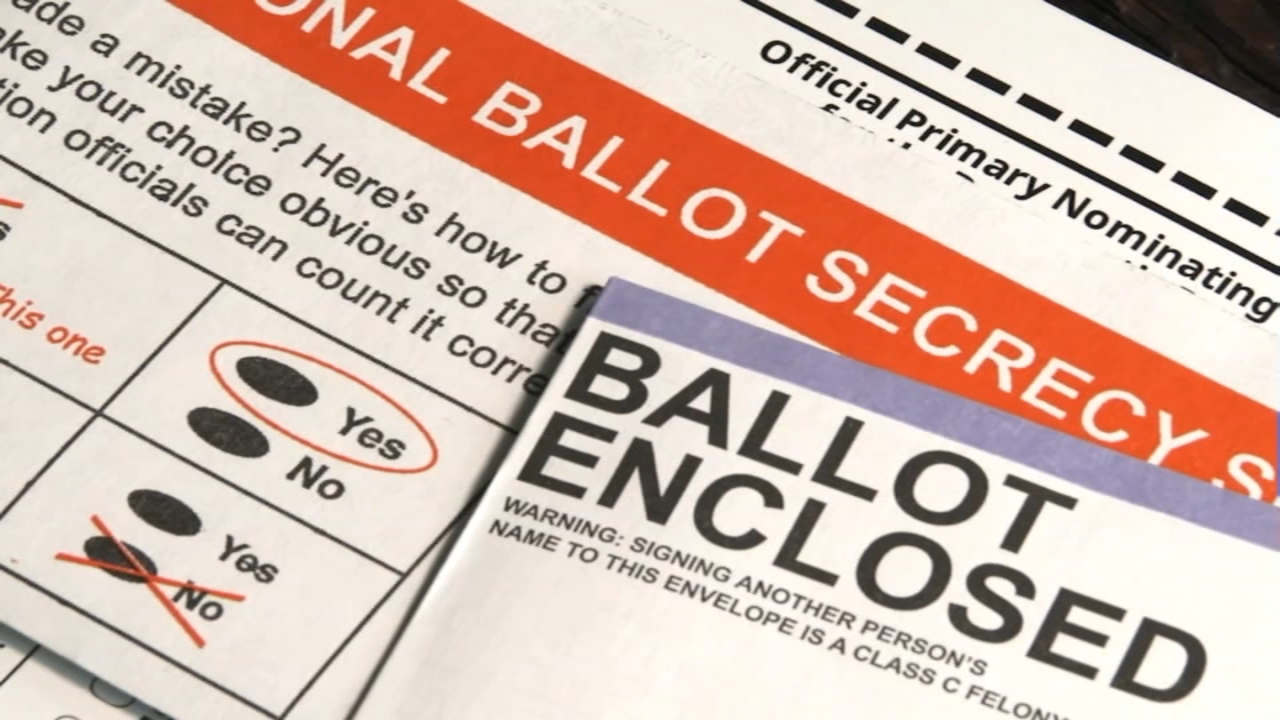
SAN FRANCISCO (KGO) -- The Trump administration is escalating its claims that thousands of noncitizens are illegally registered to vote in California, but new court filings are raising questions about the government's evidence and whether its demands could disrupt the upcoming midterm election.
In a sworn declaration filed Tuesday, a Los Angeles County election official warned that implementing the Justice Department's request to identify and set aside ballots from suspected noncitizens could interfere with voting operations, potentially affecting eligible voters less than two weeks before Election Day.
The dispute is part of a broader legal battle over election integrity, citizenship verification and the federal government's authority to intervene in how states administer elections.
RELATED: Department of Justice seeks quick action in dispute over alleged California noncitizen voter ballots
Earlier this summer, federal officials flagged as many as 190,000 potentially ineligible voters on California's voter rolls. That estimate has since narrowed to approximately 20,000.
But questions remain about how federal officials arrived at those figures and whether the individuals identified were actually ineligible to vote.
"California essentially said, 'Can you show your work?' And then it was kind of crickets for a while," said Jessica Levinson, a professor at Loyola Law School who specializes in election law.
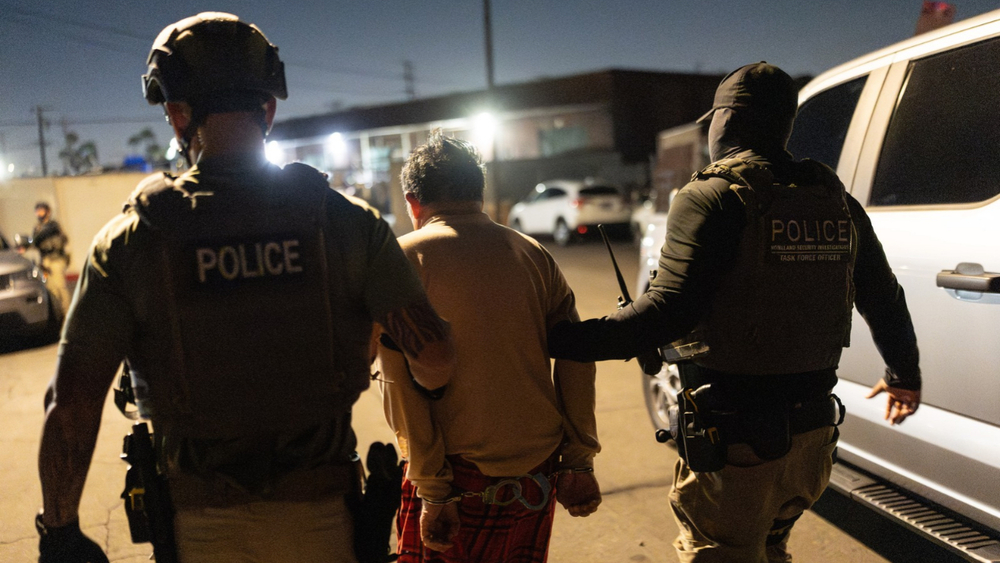
The Justice Department has separately charged 28 individuals accused of illegally registering to vote and, in some cases, casting ballots.
"They violated the sacred trust by falsely claiming to be U.S. citizens," federal prosecutor Bill Essayli said at a Monday press conference announcing the charges.
Those criminal cases, however, are separate from the government's broader list of potentially ineligible voters. And while the charges represent a significant escalation in the administration's investigation, they do not independently establish widespread voter fraud.
ELECTION 2026: A Guide to California's Ballot Propositions
California has approximately 23 million registered voters.
"Could there be more cases? Absolutely," Levinson said. "But we should remember, the Department of Justice has been looking into alleged voter fraud for a long period of time now."
U.S. Rep. Jared Huffman, D-San Rafael, accused the administration of exaggerating the significance of the allegations during a Tuesday press conference.
"It's one thing to say we should take any of those anomalies seriously; we all do," Huffman said. "It's another to try to blow it into a political moment and suggest this is evidence of some widespread voter fraud conspiracy."
What Los Angeles County found when it examined the DOJ's list
A sworn declaration filed Oct. 20 by Aman Bhullar, an assistant registrar responsible for Los Angeles County's election technology systems, provides new insight into the federal government's list of suspected noncitizens.
County officials conducted a preliminary review of 200 records from the Justice Department's list of more than 20,000 individuals.
Their findings raise questions about how many of those individuals were actually registered, had voted or were ineligible to participate in elections.
According to the declaration:
- 71.2% had never voted in previous elections.
- 42.9% had canceled voter registration records.
- 42.4% had active voter registration records.
- Among records with meaningful birthplace information, 38.9% indicated the individuals were born in the United States.
Of the more than 20,000 records identified by federal officials, 7,035 had addresses in Los Angeles County, according to the declaration.
The findings do not rule out improper registrations or illegal voting, but the records reviewed do not independently establish that those identified were noncitizens or had cast illegal ballots.
According to the declaration, implementing the changes would require new programming and testing of election systems already in use, potentially affecting eligible voters just days before the election.


"The potential consequences of implementing DOJ's demand are severe and range from halting all counting; halting in-person voters' ability to cast votes; or otherwise interfering with the ability to accurately count votes," Bhullar wrote.
The declaration was submitted in support of the county's opposition to the Justice Department's request for a temporary restraining order. Its warnings reflect the county's technical assessment, not a judicial finding.
What California law actually requires
Federal prosecutors argue the dispute exposes a fundamental weakness in California's voter registration system.
"California does nothing to confirm the citizenship status of a registered voter. Nothing," Essayli said.
But county election officials told ABC7 that independently verifying citizenship is not part of their legal responsibilities under the state's existing registration framework.
Instead, California law requires individuals to affirm under penalty of perjury that they are U.S. citizens and legally eligible to vote when registering.
That declaration appears directly on the state's voter registration application. Falsely registering to vote can carry both state and federal criminal penalties.
California also maintains voter registration records through a statewide database, with counties responsible for administering elections and maintaining records under state and federal requirements.
Does a verification gap mean widespread voter fraud?
Levinson acknowledged that the absence of an additional citizenship check could raise legitimate questions about election safeguards.
"I think the L.A. County registrar saying we don't look at citizenship at this point in the process is obviously going to raise alarm bells for people who believe that there is systemic fraud in the system," she said.
But she cautioned against interpreting that admission as proof of widespread illegal voting.
"Every high-quality study that has looked at voter fraud has found that it is exceedingly rare," Levinson said.
She also noted that some of the 28 criminal cases could raise questions about whether individuals intentionally violated election law or mistakenly believed they were eligible to register.
California allows eligible residents to register to vote through the Department of Motor Vehicles, a process that requires applicants to affirm their eligibility.
Levinson said reporting about some of the defendants suggests mistakes or misunderstandings could become relevant to the prosecutions.
"That's not to say that this is legally proper," she said. "It's to say that I think the Department of Justice might have a hard time proving that there's a criminal violation here in terms of a knowing and willful violation of the law."
The broader issue is whether additional citizenship verification requirements would meaningfully improve election security or create new administrative burdens.
Election offices across the country operate with limited resources, Levinson said, but she cautioned against assuming that the existence of potential gaps means widespread fraud is occurring.
"Could we always do better and do we need more resources? Absolutely," she said. "But frankly, we don't see a system that has widespread voter fraud, and you don't want to pour resources into a solution to something that's not a problem."
What this means for California voters
While the legal fight is intensifying ahead of the Nov. 3 midterms, elected officials have emphasized the litigation has not changed the existing rules for California voters.
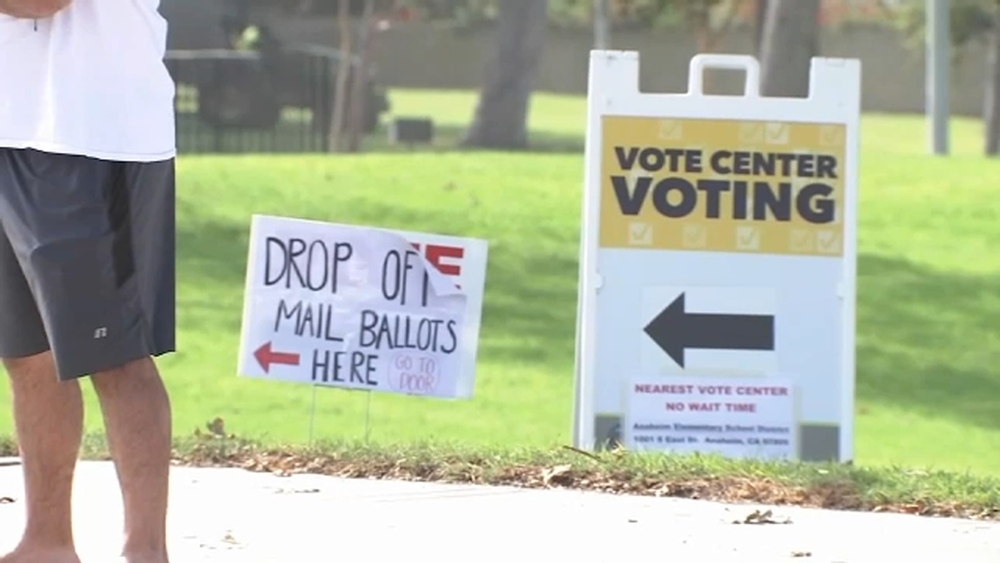
Eligible voters can continue to return their ballots by mail, use official ballot drop boxes or vote in person, according to existing election procedures.
"Our elections are safe," Rep. Mike Thompson, D-St. Helena, said during a Tuesday press conference. "Our local elections offices are just outstanding."
The dispute is likely to have implications beyond November, as courts confront questions about federal oversight, state election authority and how voter eligibility should be verified.
For now, the administration's allegations, the criminal cases it has brought and the findings emerging from Los Angeles County's review remain distinct pieces of a larger legal fight over election integrity.
While both sides agree that only eligible citizens should vote, they remain sharply divided over whether California's existing safeguards are adequate and what changes, if any, federal officials can demand under the law.