Federal Reserve set to issue interest rate decision as midterm elections loom
Markets expect the central bank to hold rates steady for now.


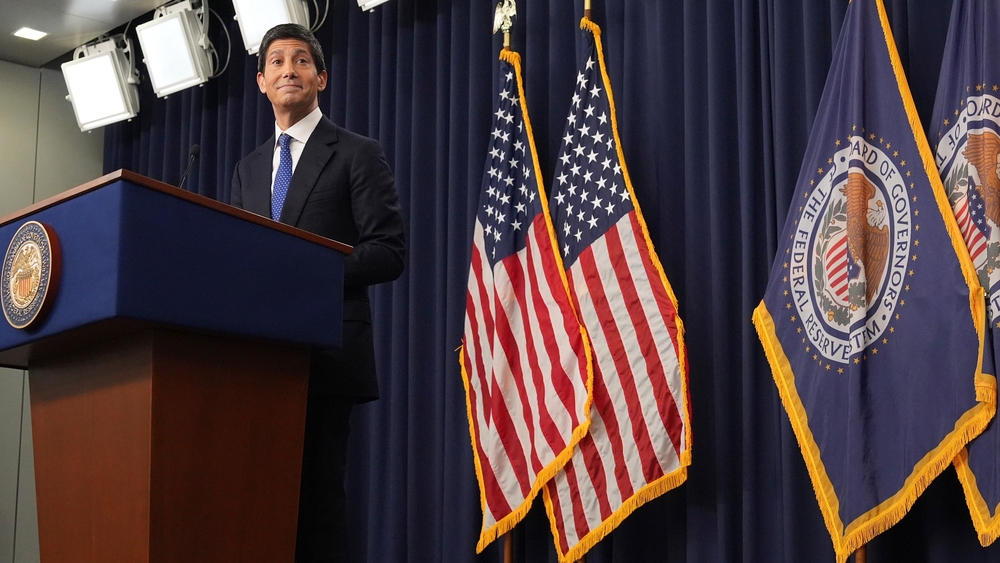
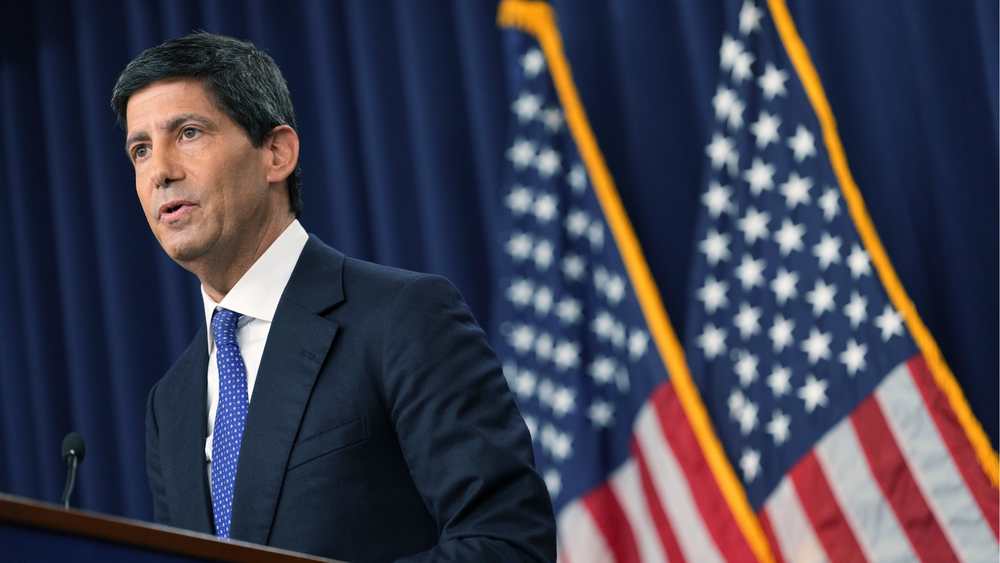
The Federal Reserve is set to issue an interest rate decision on Wednesday as a surge of inflation puts pressure on central bankers to raise rates days before the midterm elections.
An acceleration of price increases this year has posed a challenge for Fed officials tasked with containing inflation. The central bank raised interest rates a quarter of a percentage point last month in an effort to battle back price woes. The move marked the first rate increase in three years.
The rate hike should help cool off inflation by slowing the economy and eating away at demand, though such a policy move typically yields results after a lag time lasting several months.
Policymakers may lose patience as they weigh whether the current level of interest rates is high enough to ease price hikes, though markets expect the central bank to hold rates steady for now.
Investors put the chance of the Fed holding rates steady on Wednesday at about 90%, according to CME Group’s FedWatch Tool, a measure of market sentiment.
The current policy stance may not stick for long, however. The odds of a quarter-point rate hike at the Fed's next meeting in December are pegged at 75%, the tool shows.
In the meantime, price increases are accelerating. Inflation rose to a four-month high in September as fuel prices climbed in response to unrest in the Middle East, according to the U.S. Bureau of Labor Statistics (BLS).
Prices increased 3.7% in September compared to a year earlier, putting the inflation rate more than a percentage point above the Fed's target level of 2%, data showed.
The rise of inflation may put pressure on the Fed to ratchet up interest rates in an escalation of its fight against price hikes. That policy would mean pressing the brakes harder on the economy -- risking sluggish growth and job cuts.
A weak jobs report this month complicated the economic picture, suggesting a resilient labor market may be wobbling more than previously thought.
Employers added 29,000 jobs in September, a sharp slowdown from the 162,000 jobs added in August, the BLS said. The job gains came in well below economists' expectations.



Economic conditions pose a quandary for the Fed, Bank of America Global Research said in a memo to clients last week.
"If the Fed hikes, investors might worry about overtightening. If the Fed holds, markets could question the Fed's inflation-fighting credibility," the memo said.
The Fed's benchmark interest rate currently stands between 3.75% and 4%. That level marks a significant drop from a recent peak attained in 2023, but rates stand well above a 0% level established at the outset of the COVID-19 pandemic.
The rate decision may also thrust the central bank into a political maelstrom in the final sprint to Election Day.
President Donald Trump has repeatedly criticized the Fed for raising interest rates over across both terms in office, including a reprimand leveled at the Fed soon after its rate increase last month.
"LOWER THE INTEREST RATES FOR THE UNITED STATES OF AMERICA, AND FAST!" Trump said in a social media post hours after the announcement.
The Fed is an independent institution established by Congress. The central bank is typically insulated from political interference, but several past presidents have sought to influence the Fed’s interest rate policy, including Trump.
The rate decision may also draw attention to the challenge posed by inflation, a top issue among voters.
In a memo to clients, Deutsche Bank Research said the upcoming midterms could factor into a potential decision to hold interest rates steady, though in their view the election would not be a "primary consideration."
"We could imagine that all else equal the Fed might prefer to stay out of the headlines for raising rates just ahead of a midterm election where affordability is the principal concern," the memo said.