French tourist dies in Death Valley on 116-degree day after vehicle gets stuck
The visitor became stranded and attempted to walk to seek help.


A tourist from France died after his vehicle got stuck in the mud in California's Death Valley National Park last week amid temperatures that reached 116 degrees that day, according to officials.
Pierre Michel Formosa, 68, was driving in the California park with his travel companion when he died on Aug. 17, according to a Death Valley National Park press release.
The pair became stranded in a remote part of the park after their vehicle got stuck in mud, prompting them to walk to seek help, park officials said.
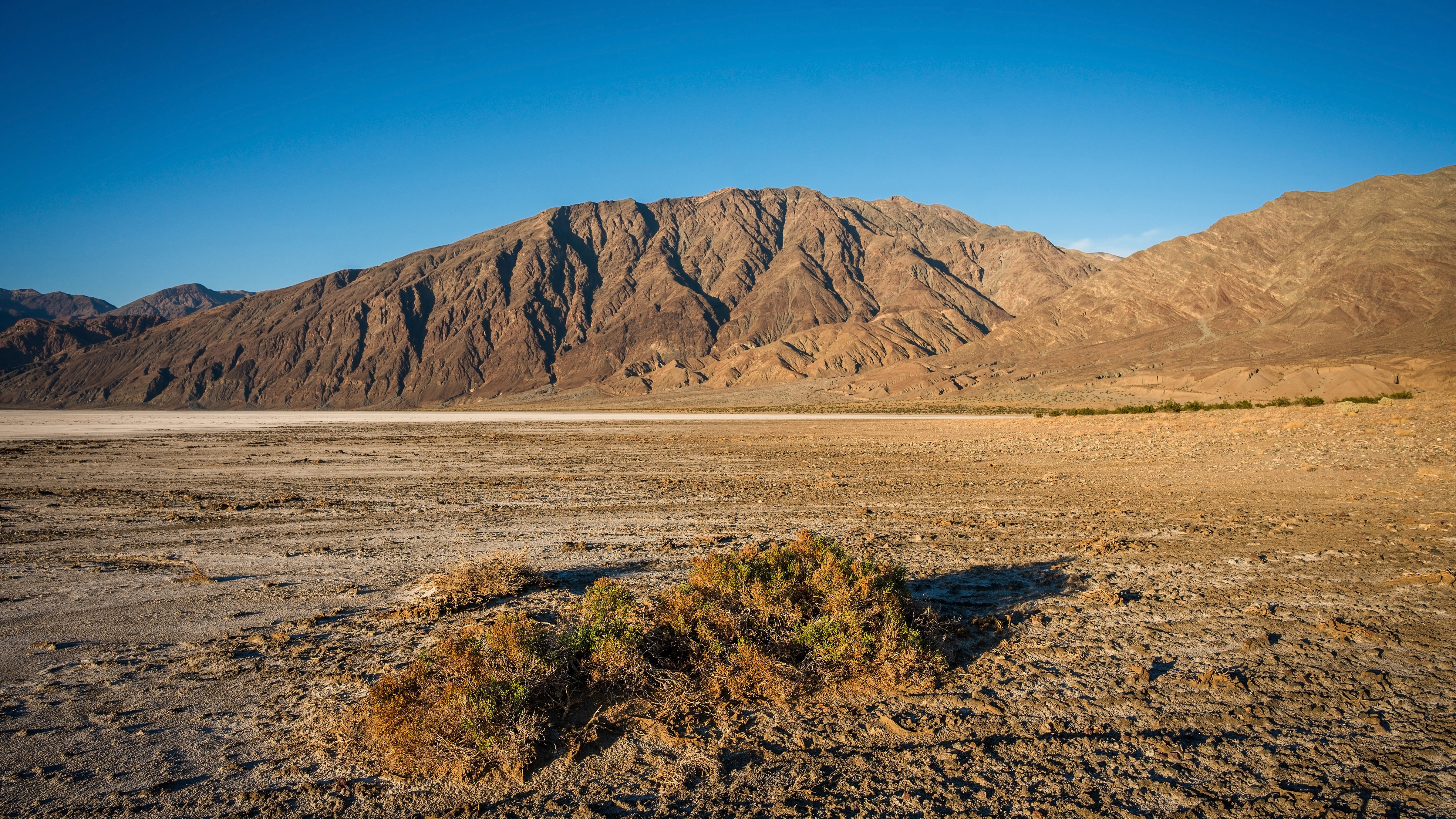
Formosa was unable to continue walking after about 1.3 miles. His companion kept walking and eventually received help from a passing motorist and reported the incident at a visitor center just after 2 p.m., according to the national park.
National Park Service rangers, an Inyo County deputy and a California Highway Patrol helicopter launched a search and rescue operation and the helicopter located Formosa later that afternoon, according to park officials.
Formosa was pronounced dead on the scene, according to Death Valley National Park. The Inyo County coroner will determine the cause of death.
The pair had been walking through the salt flats, a nearly-200-mile stretch of sodium chloride in the park's Badwater Basin.
Mike Reynolds, Death Valley National Park superintendent, offered his condolences to Formosa's friends and family in a statement.
"This is a heartbreaking reminder of how quickly conditions here can turn dangerous," Reynolds said. "Death Valley is an extraordinary place, but its heat, distances, and remoteness can be dangerous, regardless of experience."
Death Valley National Park covers vast, remote areas with limited cellular service and emergency help sometimes hours away, the park said.
The national park urges all visitors to plan routes in advance, carry ample supplies, and check weather and road conditions before departing.
If a visitor's vehicle becomes disabled, the park said staying with it is often the safest choice, as it provides shade and shelter, and is easier for emergency response teams to spot than travelers on foot.