Green card freeze raises concerns in Bay Area, could impact thousands of workers and students
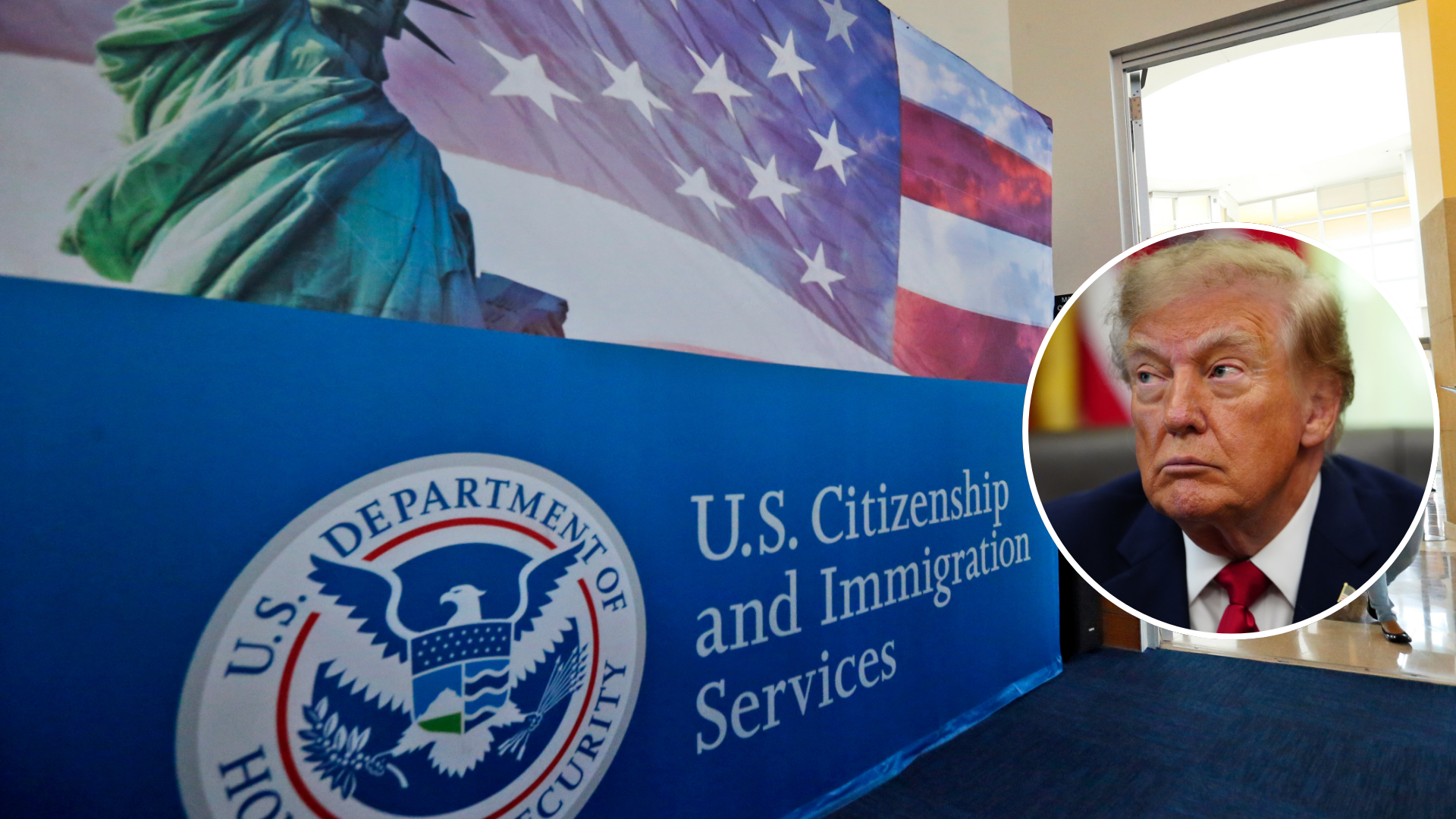

SAN FRANCISCO (KGO) -- The Trump administration's decision to suspend Microsoft, Bay Area-based Adobe and other technology firms from the green card program is drawing concern from legal experts and technology professionals who say the move could affect thousands of workers in the Bay Area.
The policy could have a significant impact on employees working in the United States on H-1B temporary worker visas who are seeking permanent residency through employer-sponsored green cards.
"This is very significant for the Bay Area," said Bill Hing, a University of San Francisco law professor and immigration policy expert.
Khanderao Kand of the Global Indian Technology Professionals Association said H-1B workers play a major role throughout the technology sector.
"I think most of the companies, the large companies as well as start-ups have the H-1B professionals," Kand said.
RELATED: The Trump administration is suspending Microsoft from a green card program, alleging fraud
The Trump administration recently announced that it is suspending Microsoft and software maker Adobe from the green card program.
Vice President JD Vance outlined the administration's position on October 8.
"We want you to continue to grow and to employ a lot of people, but we want you to employ American workers, and so our message to Microsoft is, you're a great American company, but you've got to hire great American workers. You cannot lay off American workers and then replace them with foreign indentured servants...We're going to continue to support Microsoft and have a great relationship with Microsoft, but we're also going to deny them the ability to apply for these permanent residencies until they show that they're going to get serious about putting American workers first," Vance said.
Hing said the policy could effectively halt a path to permanent residency for many workers.
"That means it would shut down green card possibilities for H-1B people," he said.
"It's all part of a whole package that the Trump administration thinks that these employers are not hiring available U.S. workers," Hing added.
The administration is also investigating temporary international student visa programs at Stanford University, UC Davis and seven other universities, accusing the schools of "J-1 visa abuse." The administration says the institutions used the program more often than comparable universities.
MORE: $100,000 fee for new H-1B visa applicants could disrupt Bay Area tech industry, experts say
Kand said the green card suspension creates uncertainty for both employers and employees.
"Pausing that program creates a lot of uncertainty," Kand said. "It will have negative impact on both the companies as well as the employees."
Hing warned the policy could have broader economic consequences beyond the technology sector.
"I think that this is going to be very hurtful for Silicon Valley and for the economy in the Bay Area, as well as nationwide, because the U.S. relies very heavily on Silicon Valley type companies for a vital part of the economy," Hing said. "And it's also part of the move of the administration basically to cut off all types immigration."
As technology companies, workers and universities assess the impact of the administration's actions, immigration and employment policies remain a focus of concern across the Bay Area.