'From a little girl to a young lady': The history of the quinceañera


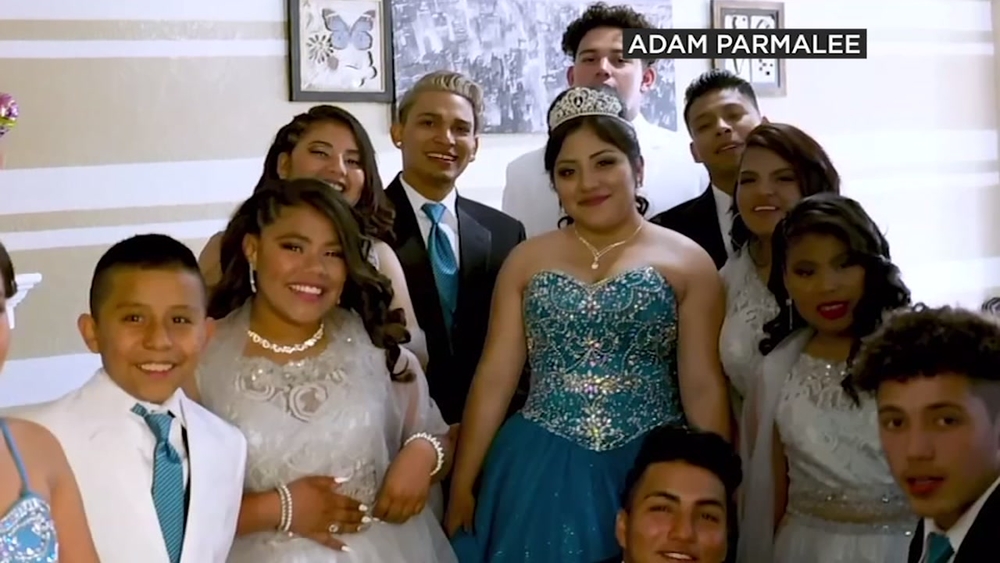
HOUSTON, Texas -- For generations, the quinceañera has marked a milestone in Hispanic culture.
It's the 15th birthday of a young girl stepping into womanhood.
But behind the dresses, the dancing, and the celebration is something deeper: a tradition rooted in faith, family, and community.
"Ever since you were a little girl in the Latino culture, we have been dreaming of this special day," said Quinceañera World co-owner Jeanette Garcia.
Twenty years ago, Trinity University Professor Norma Cantú gave a presentation that traced where the quinceañera may have begun.
"We have all kinds of different traditions that we think it comes from," Cantú said. "Mostly European court presentations, cotillions, coming out parties. In Mexico, during the colonial period and even up through contemporary times, the age of 15 is when the young woman was considered of age to be married."
The quinceañera includes many key moments, like the religious ceremony, the dances, and the final doll.
"The doll's dress should be as similar as her dress that she'll have on her special day," Garcia said. "It is saying this is your last doll."
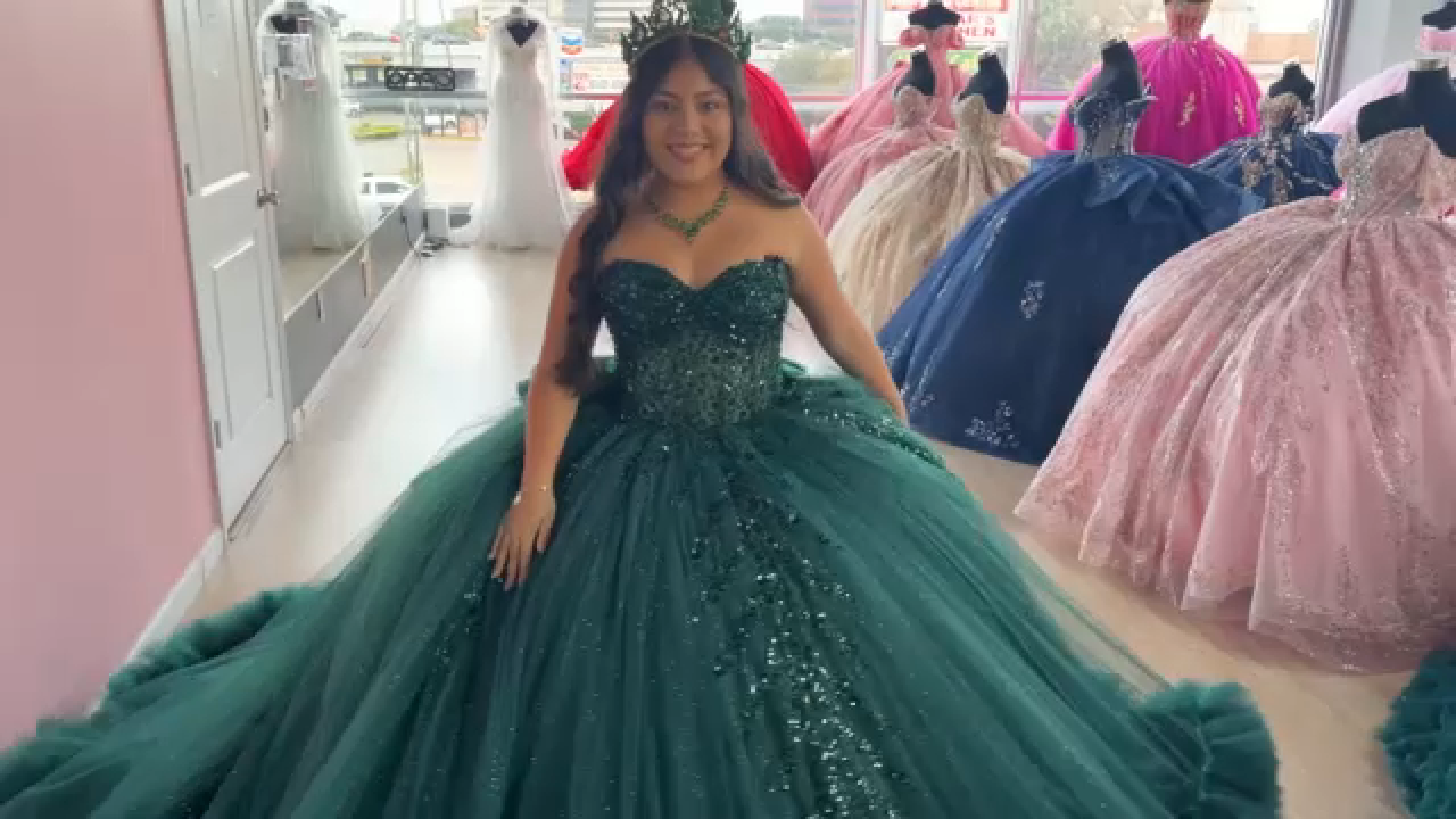
But one of the most important pieces? The dress.
Garcia helps young girls and their families through that process at her store, Quinceañera World.
"She is going to be wearing this dress for the whole 12 to 15 hours of the day to begin with," Garcia said. "But it's also going to be the most important memory that she will have for the rest of her life."
Rocio Hernandez brought her daughter, Alyssa, to find their dress with Garcia.
"We started looking for a dress maybe like a year ago," Hernandez said. "We chose the color, and then from there, it just happened."
Hosting a celebration this size can cost tens of thousands of dollars.
But families don't always carry that expense alone. Ultimately, they can get help from relatives.
"The padrinos and madrinas make the party and the event happen," Cantú said. "It isn't just the parents footing the bill for the whole thing, but it is a community-wide investment in this young person and her responsibility to that community."
This celebration marks a new chapter with new expectations.
"They're going to be allowed to be more adult, but also how they themselves see their responsibility and the responsibility of being a member of that community," Cantú said.
The celebration has changed over the years.
"The tradition was the doll," Garcia said. "Now, the trend is a teddy bear."
While trends come and go, the heart of the quinceañera, and what it means at its core, remains the same.
"I feel happy, and I'm grateful that God is making this possible and my parents for their hard work. I'm just happy to be part of the Hispanic culture and be able to celebrate this," 15-year-old Alyssa said.